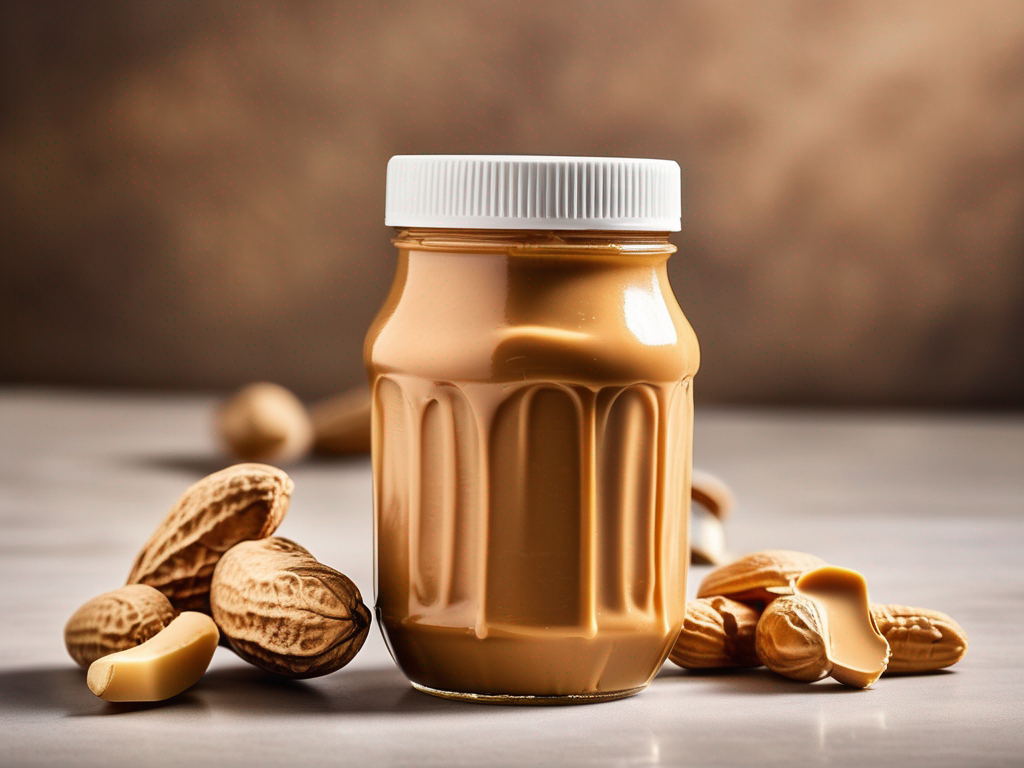
When Does Peanut Butter Expire: A Comprehensive Guide to Peanut Butter Shelf Life
Peanut butter is a popular and versatile food item enjoyed by many people worldwide. Whether you spread it on toast, use it in baking, or add it to smoothies, peanut butter is a delicious and nutritious addition to your diet. However, like all food products, peanut butter does have a shelf life. In this comprehensive guide, we will explore when peanut butter expires, how to store it properly, and key tips for ensuring its safety. (Peanut butter)
Understanding Peanut Butter Shelf Life
Peanut butter, when stored correctly, has a relatively long shelf life due to its low moisture content and high oil content. Here are some key points to consider when determining the expiration date of peanut butter:
Factors Affecting Peanut Butter Shelf Life
Several factors can affect the shelf life of peanut butter, including:
Dairy products require consistent cold storage to prevent spoilage and bacterial growth. A refrigerator thermometer (Amazon) helps ensure your refrigerator maintains safe temperatures (40°F or below).
- Storage Conditions: Proper storage is crucial in extending the shelf life of peanut butter.
- Type of Peanut Butter: Natural peanut butter, which contains only peanuts and salt, may have a shorter shelf life than commercial brands with added preservatives.
- Packaging: Sealed jars or containers help protect peanut butter from contamination and extend its shelf life.
Determining Expiration Dates
Peanut butter typically comes with a "best by" or "use by" date stamped on the packaging. This date indicates the manufacturer's estimate of when the product is at its peak quality. However, it does not necessarily mean that the peanut butter is unsafe to consume after that date.
How Long Does Peanut Butter Last?
The shelf life of peanut butter can vary depending on various factors. Here is a general guideline on the shelf life of different types of peanut butter:
Unopened Peanut Butter
- Commercial Peanut Butter: Unopened jars of commercial peanut butter can last for up to 2 years past the expiration date.
- Natural Peanut Butter: Unopened natural peanut butter typically lasts for 6-9 months past the expiration date.
Opened Peanut Butter
- Commercial Peanut Butter: Once opened, commercial peanut butter can last for 3-4 months if stored properly.
- Natural Peanut Butter: Opened natural peanut butter should be consumed within 2-3 months for the best quality.
common situation
It's always interesting to see how peanut butter fits into everyday life. Here are a couple of situation that highlight common practices and considerations regarding peanut butter expiration:
After opening, transferring dairy into an airtight container (Amazon) can reduce odor absorption, limit moisture exposure, and help slow bacterial growth.
situation 1: The Midnight Snack
Imagine it's a late night, and you’re craving a quick snack. You reach for your jar of peanut butter, which you haven't opened in months. After checking the "best by" date, you realize it’s a few months past. You might be tempted to toss it, but remember, if it smells and looks fine, it’s likely still good! Just check for any oil separation—give it a good stir, and enjoy your snack without worry!
situation 2: The Baking Emergency
You’re preparing for a bake sale and decide to use up the last of your peanut butter. Unfortunately, you didn't notice that the jar had been opened for a while. As you're mixing your ingredients, you catch a whiff of something off. It’s crucial to be aware that even a familiar favorite can surprise you! In this case, it’s better to err on the side of caution. If it smells rancid or has an unusual texture, it’s time to discard it and buy a fresh jar.
Proper Storage Tips for Extending Peanut Butter Shelf Life
Proper storage is key to extending the shelf life of peanut butter and maintaining its quality. Here are some essential tips for storing peanut butter correctly:
Store in a Cool, Dark Place
- Keep peanut butter away from heat and light to prevent oil separation and maintain freshness.
Seal the Container Properly
- Always tightly seal the jar or container after each use to prevent air and moisture from entering.
Avoid Contamination
- Use clean utensils to scoop out peanut butter, and never double-dip to prevent contamination.
Refrigeration vs. Pantry Storage
- Refrigeration: While refrigeration is not necessary for commercial peanut butter, it can help extend the shelf life of natural peanut butter and prevent oil separation.
- Pantry Storage: If stored in a cool, dark place, peanut butter can be kept in the pantry for easy spreading.
Common Mistakes in Peanut Butter Storage
Even the most seasoned peanut butter enthusiasts can make some common mistakes that can shorten the shelf life of this beloved spread. Here are a few pitfalls to avoid:
Ignoring the "Best By" Date
Many people think that as long as the peanut butter looks fine, it’s safe to eat, even well past its "best by" date. While some peanut butter can still be good well beyond this date, it’s essential to conduct a thorough check. It’s always better to be safe than sorry!
Overlooking Oil Separation
Natural peanut butter is prone to oil separation. Some folks ignore this natural phenomenon, thinking it’s gone bad. In reality, it’s perfectly normal! Just give it a good stir to reincorporate the oils. However, if the oil smells rancid, you should discard it.
Storing in Warm Areas
Storing peanut butter near the stove or in a warm cupboard can speed up spoilage. Instead, choose a cooler, darker area of your kitchen for optimal preservation.
Safety Precautions and Signs of Spoiled Peanut Butter
While peanut butter has a long shelf life, it is essential to be mindful of safety precautions and signs of spoilage. Here are some key points to consider:
Safety Precautions
- Avoid consuming peanut butter if you notice any unusual smell, taste, or appearance.
- Do not consume peanut butter if the jar is damaged or shows signs of mold growth.
- If in doubt, it is best to discard the peanut butter to prevent foodborne illness.
Signs of Spoiled Peanut Butter
- Unpleasant Odor: Spoiled peanut butter may have a rancid or sour smell.
- Unusual Texture: Mold growth, changes in texture, or oil separation are signs of spoilage.
- Off-Flavors: If the peanut butter tastes off or different from its usual flavor, it may be spoiled.
Scientific Context: What Makes Peanut Butter Last?
Understanding the science behind peanut butter can help us appreciate why it can last so long. The low moisture content in peanut butter creates an inhospitable environment for bacteria and mold to grow. Moreover, the natural fats within peanuts help preserve the spread more effectively than many other food items.
Peanuts also contain antioxidants, which can contribute to their longevity. However, once exposed to air and light, the fats can oxidize, leading to rancidity, which is why proper storage is so crucial. By keeping your peanut butter sealed and stored in a cool, dark place, you maximize its freshness.
Expert Insights: Recommendations from Food Safety Specialists
According to food safety experts, the key to enjoying peanut butter safely lies in being observant. Food safety guidance from public health agencies, a food scientist, emphasizes, "Always use your senses. If something seems off, it probably is." Experts recommend doing a taste test if you're unsure but advise against consuming peanut butter that has an unusual odor or appearance.
Additionally, for those who love to buy in bulk, Food safety guidance from public health agencies suggests portioning out peanut butter into smaller containers after opening. This practice not only helps maintain freshness but also makes it convenient for daily use.
Conclusion
In conclusion, peanut butter is a delicious and nutritious spread that can be enjoyed in various ways. By understanding its shelf life, proper storage techniques, and safety precautions, you can ensure that your peanut butter remains fresh and safe to consume. Remember to check the expiration date, store it correctly, and be mindful of signs of spoilage to enjoy your peanut butter to the fullest.
For more information about peanut butter, visit our main article on peanut butter. If you have any questions or tips to share about peanut butter expiration, feel free to leave a comment below! (Peanut butter)
Related Posts
Here are some other articles you might find helpful:
Authoritative Food Safety References
These agencies and university labs inform every tip and health precaution we publish.
USDA FoodKeeper – Cold Storage Guidelines
Official refrigerator, freezer, and pantry timelines maintained by the U.S. Department of Agriculture.
Visit USDA FoodKeeperFDA Produce Safety Rule & Grower Guidance
Field-to-fridge handling practices that prevent contamination of fruits, vegetables, and leafy greens.
Visit FDA Produce SafetyCDC Foodborne Illness Prevention Hub
Surveillance-backed guidance on pathogens, symptoms, and steps to reduce foodborne illness risk.
Visit CDC Food SafetyUC Davis Postharvest Technology Center
University research detailing optimal storage atmospheres for produce after harvest.
Visit UC Davis PostharvestPenn State Extension – Home Food Preservation & Safety
Peer-reviewed extension bulletins on safe canning, chilling, and reheating practices.
Visit Penn State ExtensionDisclosure: As an Amazon Associate, we earn from qualifying purchases. This helps support our site and allows us to continue providing free food safety information.