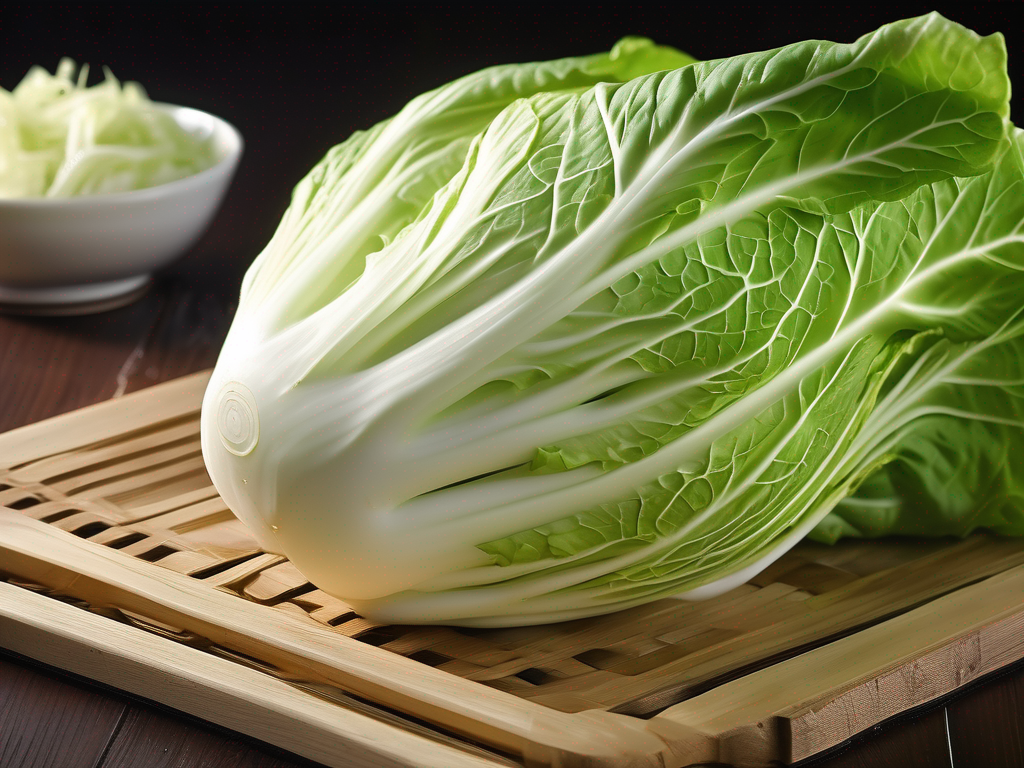
Reviving Wilted Chinese Cabbage: Tips for Crisp and Fresh Greens
Reviving Wilted Chinese Cabbage: Tips for Crisp and Fresh Greens
Chinese cabbage, also known as Napa cabbage, is a versatile and nutritious vegetable commonly used in Asian cuisine. However, like all leafy greens, Chinese cabbage can wilt if not stored properly. Wilted Chinese cabbage may seem limp and unappetizing, but fear not! With a few simple tricks, you can revive your wilted Chinese cabbage and enjoy crisp and fresh greens once again. (Chinese cabbage)
Understanding Wilted Chinese Cabbage
Wilted Chinese cabbage can occur due to various factors such as improper storage, exposure to heat, or simply being past its prime. When Chinese cabbage wilts, it loses moisture and can become limp and less crunchy. However, wilting does not necessarily mean the cabbage is spoiled; it just needs a little TLC to regain its crisp texture and fresh flavor.
Signs of Wilted Chinese Cabbage:
- Limp leaves
- Loss of crunchiness
- Yellowing or browning edges
Reviving Wilted Chinese Cabbage
Reviving wilted Chinese cabbage is a simple process that involves rehydrating the leaves and restoring their crispness. Here are some effective methods to bring your wilted Chinese cabbage back to life:
Proper airflow and humidity control can significantly extend produce freshness. Many households use produce storage containers (Amazon) in the refrigerator to regulate moisture and slow spoilage.
1. Soak in Ice Water
- Fill a large bowl with ice water.
- Submerge the wilted Chinese cabbage leaves in the ice water.
- Let the cabbage soak for about 30 minutes to 1 hour.
- Remove the cabbage, pat it dry, and enjoy the revived crispness.
2. Steam or Blanch
- Steam or blanch the wilted Chinese cabbage for a few minutes.
- Immediately transfer the cabbage to an ice bath to cool.
- Drain and gently squeeze out excess water.
- Your Chinese cabbage should now be revitalized and ready to use in your favorite dishes.
3. Refrigerate with Moisture
- Place the wilted Chinese cabbage in a plastic bag with a damp paper towel.
- Seal the bag and refrigerate for a few hours.
- Check the cabbage periodically and change the damp paper towel if needed.
- The moisture in the bag will help rehydrate the cabbage leaves.
4. Cut and Stir-Fry
- If the wilted Chinese cabbage is still salvageable but not suitable for raw consumption, consider cutting it into smaller pieces.
- Stir-fry the cabbage with garlic, soy sauce, and other seasonings to create a flavorful dish.
- Cooking the cabbage can help mask any texture issues from wilting.
Food Safety Tips
When dealing with wilted Chinese cabbage or any other perishable food, it's essential to follow food safety guidelines to prevent foodborne illnesses. Here are some safety tips to keep in mind:
-
Check for Spoilage: Before attempting to revive wilted Chinese cabbage, inspect it for any signs of spoilage such as mold, sliminess, or a foul odor. If the cabbage appears rotten, discard it immediately.
-
Proper Storage: To prevent Chinese cabbage from wilting prematurely, store it in the crisper drawer of your refrigerator wrapped in a damp paper towel or cloth to maintain moisture.
💡Keeping produce organized can improve air circulation and cooling. refrigerator organizer bins (Amazon) help reduce overcrowding and maintain consistent refrigerator temperatures.
-
Wash Thoroughly: Before reviving wilted Chinese cabbage, make sure to wash it thoroughly under running water to remove any dirt or contaminants.
-
Use Clean Utensils: When handling wilted Chinese cabbage or any other food, use clean utensils and cutting boards to avoid cross-contamination.
Conclusion
Wilted Chinese cabbage may seem like a kitchen mishap, but with the right techniques, you can easily revive it and enjoy crisp and fresh greens once again. By understanding the causes of wilting, using simple methods to rehydrate the leaves, and following food safety guidelines, you can make the most of your Chinese cabbage and minimize food waste. So, next time you encounter wilted Chinese cabbage in your fridge, remember these tips to bring it back to life and elevate your dishes with revitalized greens. (Chinese cabbage)
Authoritative Food Safety References
These agencies and university labs inform every tip and health precaution we publish.
USDA FoodKeeper – Cold Storage Guidelines
Official refrigerator, freezer, and pantry timelines maintained by the U.S. Department of Agriculture.
Visit USDA FoodKeeperFDA Produce Safety Rule & Grower Guidance
Field-to-fridge handling practices that prevent contamination of fruits, vegetables, and leafy greens.
Visit FDA Produce SafetyCDC Foodborne Illness Prevention Hub
Surveillance-backed guidance on pathogens, symptoms, and steps to reduce foodborne illness risk.
Visit CDC Food SafetyUC Davis Postharvest Technology Center
University research detailing optimal storage atmospheres for produce after harvest.
Visit UC Davis PostharvestPenn State Extension – Home Food Preservation & Safety
Peer-reviewed extension bulletins on safe canning, chilling, and reheating practices.
Visit Penn State ExtensionDisclosure: As an Amazon Associate, we earn from qualifying purchases. This helps support our site and allows us to continue providing free food safety information.