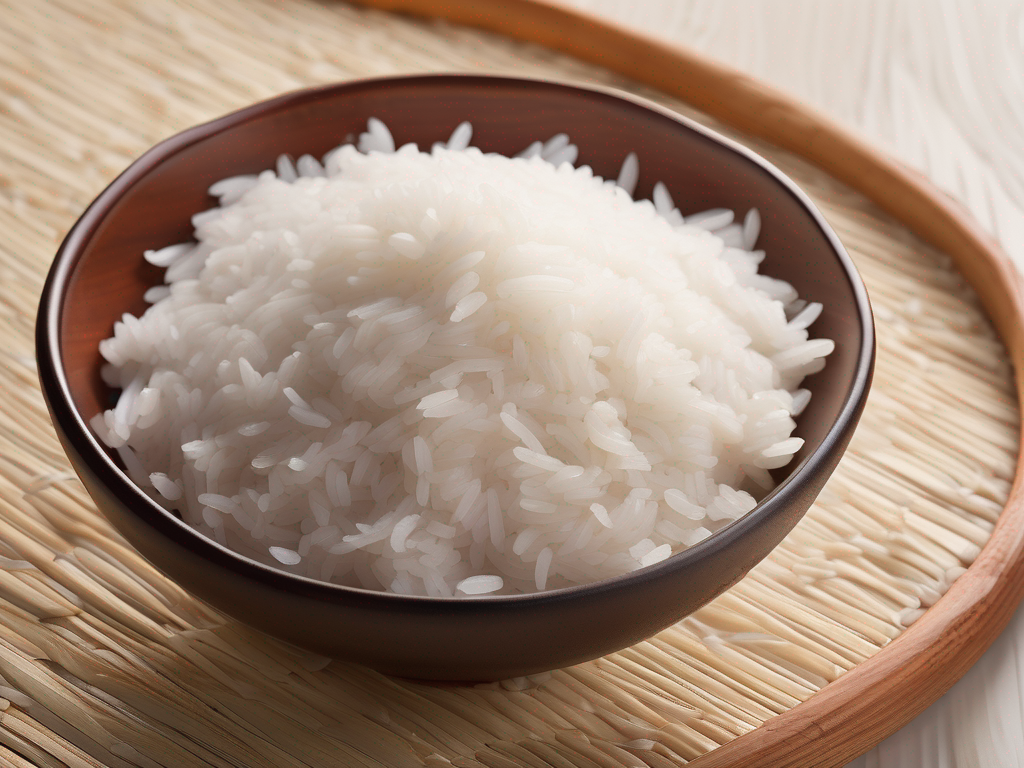
Understanding the Shelf Life of Chicken and Rice Baby Food
Understanding the Shelf Life of Chicken and Rice Baby Food
As parents, ensuring the safety and quality of the food we feed our little ones is of utmost importance. When it comes to baby food, particularly chicken and rice blends, understanding the shelf life and proper storage is crucial. In this comprehensive guide, we will delve into the factors that affect the shelf life of chicken and rice baby food, how to store it correctly, and essential safety tips to keep in mind. (Rice)
Factors Affecting the Shelf Life of Chicken and Rice Baby Food
When determining the shelf life of chicken and rice baby food, several factors come into play. It's essential to consider these factors to ensure the food remains safe for your baby to consume.
Ingredients
The quality of the ingredients used in the baby food can significantly impact its shelf life. Using fresh, high-quality chicken and rice can extend the product's longevity.
Proper cooking temperatures are essential for food safety. An instant-read food thermometer (Amazon) helps ensure meat reaches safe internal temperatures and reduces the risk of foodborne illness.
Preparation Method
The way the baby food is prepared and processed can affect its shelf life. Proper cooking techniques and hygiene practices are essential to prevent contamination and spoilage.
Packaging
The type of packaging used for the baby food is crucial. Airtight containers or pouches can help preserve the food and extend its shelf life.
Storage Conditions
Proper storage is key to maintaining the quality and safety of chicken and rice baby food. Factors such as temperature, humidity, and light exposure can all impact the product's shelf life.
Shelf Life of Chicken and Rice Baby Food
Chicken and rice baby food, when stored correctly, typically has a shelf life of around 2-3 days in the refrigerator. It's important to consume the food within this timeframe to ensure its freshness and safety. If you have prepared a larger batch, you can opt to freeze the baby food for an extended shelf life.
Refrigeration
When storing chicken and rice baby food in the refrigerator, follow these guidelines:
- Store the food in airtight containers or pouches to prevent contamination and odors from affecting the food.
- Label the containers with the date of preparation to track the shelf life.
- Keep the refrigerator temperature at 40°F (4°C) or below to slow down bacterial growth.
Freezing
If you have prepared a larger batch of chicken and rice baby food, freezing is a great option to extend its shelf life. Follow these tips for freezing baby food:
- Allow the food to cool completely before transferring it to freezer-safe containers.
- Leave some room at the top of the container for the food to expand as it freezes.
- Label the containers with the date of preparation and use within 1-3 months for the best quality.
Safety Tips for Chicken and Rice Baby Food
Ensuring the safety of your baby's food is paramount. Here are some essential safety tips to keep in mind when preparing and storing chicken and rice baby food:
- Wash your hands thoroughly before handling food and cooking utensils.
- Use separate cutting boards and utensils for raw meat and other ingredients to prevent cross-contamination.
- Thoroughly cook the chicken and rice to the appropriate internal temperature to kill any harmful bacteria.
- Avoid feeding your baby directly from the container to prevent contamination.
- Discard any leftover baby food that has been sitting out at room temperature for more than 2 hours.
Conclusion
In conclusion, understanding the shelf life of chicken and rice baby food and following proper storage and safety guidelines are essential for your baby's health and well-being. By considering the factors that affect shelf life, practicing safe food handling techniques, and storing the food correctly, you can ensure that your little one enjoys safe and nutritious meals. Remember to always prioritize food safety when preparing and feeding baby food to your child. (Rice)
Authoritative Food Safety References
These agencies and university labs inform every tip and health precaution we publish.
USDA FoodKeeper – Cold Storage Guidelines
Official refrigerator, freezer, and pantry timelines maintained by the U.S. Department of Agriculture.
Visit USDA FoodKeeperFDA Produce Safety Rule & Grower Guidance
Field-to-fridge handling practices that prevent contamination of fruits, vegetables, and leafy greens.
Visit FDA Produce SafetyCDC Foodborne Illness Prevention Hub
Surveillance-backed guidance on pathogens, symptoms, and steps to reduce foodborne illness risk.
Visit CDC Food SafetyUC Davis Postharvest Technology Center
University research detailing optimal storage atmospheres for produce after harvest.
Visit UC Davis PostharvestPenn State Extension – Home Food Preservation & Safety
Peer-reviewed extension bulletins on safe canning, chilling, and reheating practices.
Visit Penn State ExtensionDisclosure: As an Amazon Associate, we earn from qualifying purchases. This helps support our site and allows us to continue providing free food safety information.