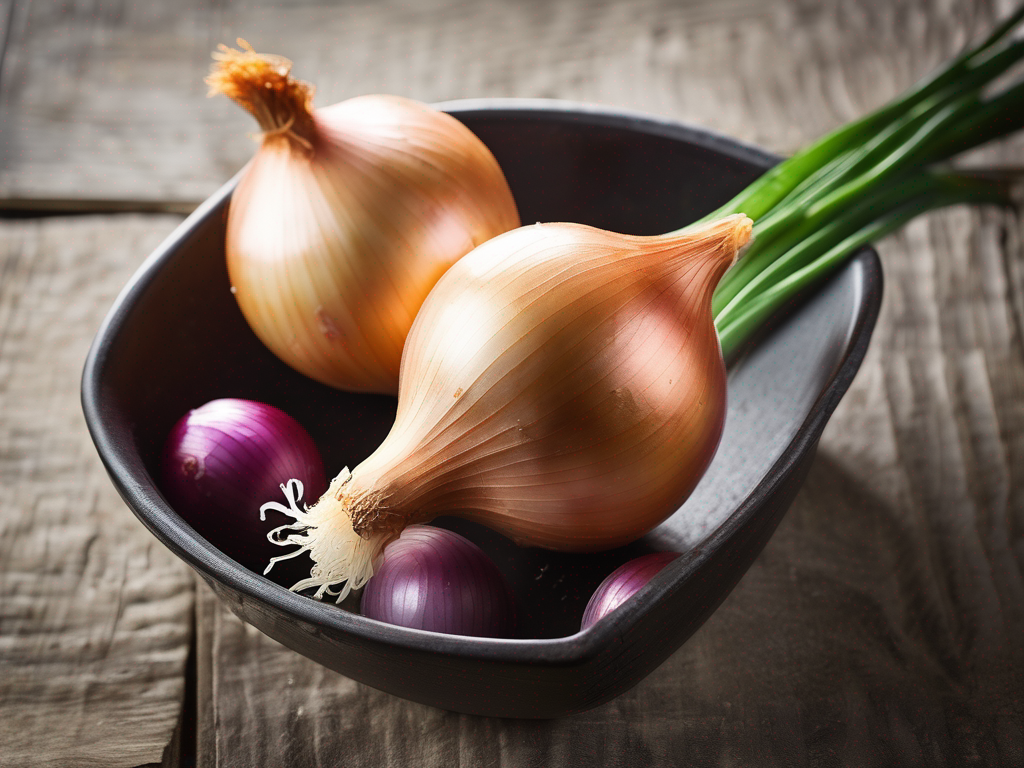
The Best Way to Store Garden Onions to Prevent Spoilage
The Best Way to Store Garden Onions to Prevent Spoilage
Garden onions are a versatile vegetable that adds flavor and aroma to a variety of dishes. Whether you grow your own or purchase them from the store, proper storage is key to maintaining their freshness and flavor for as long as possible. In this comprehensive guide, we'll explore the best practices for storing garden onions to prevent spoilage and ensure they stay fresh for an extended period. (Garden onion)
Understanding Garden Onions
Before delving into storage methods, let's first understand the nature of garden onions. Garden onions belong to the Allium family and are known for their pungent flavor and distinct aroma. They are rich in essential nutrients such as vitamin C, fiber, and antioxidants, making them a valuable addition to a healthy diet.
Garden onions come in various varieties, including red, white, and yellow onions, each with its unique flavor profile and culinary uses. When properly stored, garden onions can last for several weeks or even months, allowing you to enjoy them in your favorite recipes whenever needed.
Proper airflow and humidity control can significantly extend produce freshness. Many households use produce storage containers (Amazon) in the refrigerator to regulate moisture and slow spoilage.
Factors Affecting Onion Spoilage
Several factors can contribute to onion spoilage if not stored correctly. Understanding these factors is crucial for implementing effective storage practices:
- Humidity: Onions are sensitive to moisture and should be stored in a dry environment to prevent mold growth.
- Temperature: Onions should be stored in a cool, dry place away from direct sunlight and heat sources.
- Air Circulation: Proper air circulation is essential to prevent onions from rotting. Storing them in a well-ventilated area helps maintain their freshness.
- Ethylene Sensitivity: Onions are sensitive to ethylene gas, which can accelerate their ripening process. Keep them away from ethylene-producing fruits such as apples and bananas.
Best Practices for Storing Garden Onions
Now that we've covered the basics, let's explore the best ways to store garden onions to maximize their shelf life and prevent spoilage.
1. Harvesting and Curing Onions
- Harvest onions when the tops have turned yellow and start to fall over.
- Cure freshly harvested onions by drying them in a warm, well-ventilated area for 2-3 weeks. This process helps toughen their skins and extend their storage life.
2. Choosing the Right Storage Location
- Select a cool, dry, and well-ventilated storage area for onions. A pantry, cellar, or garage can be ideal options.
- Ensure the storage area has good air circulation to prevent moisture buildup.
3. Proper Onion Storage Containers
- Use breathable storage containers such as mesh bags, burlap sacks, or wire baskets to store onions. Avoid plastic bags, as they can trap moisture and promote spoilage.
- Alternatively, store onions in a hanging mesh basket to allow for better air circulation.
4. Avoiding Common Mistakes
- Do not store onions near potatoes, as they can release moisture and gases that cause onions to spoil faster.
- Check stored onions regularly for signs of sprouting, mold, or soft spots, and promptly remove any spoiled ones to prevent the spread of decay.
5. Extended Storage Options
- For long-term storage, consider braiding onions together and hanging them in a cool, dry place. This method not only saves space but also allows for good air circulation.
- Alternatively, you can store onions in a well-ventilated wooden crate or mesh bag in a cool, dark location.
Conclusion
In conclusion, proper storage is essential for preserving the freshness and quality of garden onions. By following the tips outlined in this guide, you can ensure that your onions remain flavorful and free from spoilage for an extended period. Remember to harvest and cure onions correctly, choose the right storage location, use breathable containers, avoid common mistakes, and explore extended storage options for long-term preservation. With these best practices in mind, you can enjoy the delightful flavor of garden onions in your favorite dishes whenever you please.
Keeping produce organized can improve air circulation and cooling. refrigerator organizer bins (Amazon) help reduce overcrowding and maintain consistent refrigerator temperatures.
For more information about garden onions, visit our [garden onion](/food/garden onion) page. Happy storing! (Garden onion)
Authoritative Food Safety References
These agencies and university labs inform every tip and health precaution we publish.
USDA FoodKeeper – Cold Storage Guidelines
Official refrigerator, freezer, and pantry timelines maintained by the U.S. Department of Agriculture.
Visit USDA FoodKeeperFDA Produce Safety Rule & Grower Guidance
Field-to-fridge handling practices that prevent contamination of fruits, vegetables, and leafy greens.
Visit FDA Produce SafetyCDC Foodborne Illness Prevention Hub
Surveillance-backed guidance on pathogens, symptoms, and steps to reduce foodborne illness risk.
Visit CDC Food SafetyUC Davis Postharvest Technology Center
University research detailing optimal storage atmospheres for produce after harvest.
Visit UC Davis PostharvestPenn State Extension – Home Food Preservation & Safety
Peer-reviewed extension bulletins on safe canning, chilling, and reheating practices.
Visit Penn State ExtensionDisclosure: As an Amazon Associate, we earn from qualifying purchases. This helps support our site and allows us to continue providing free food safety information.