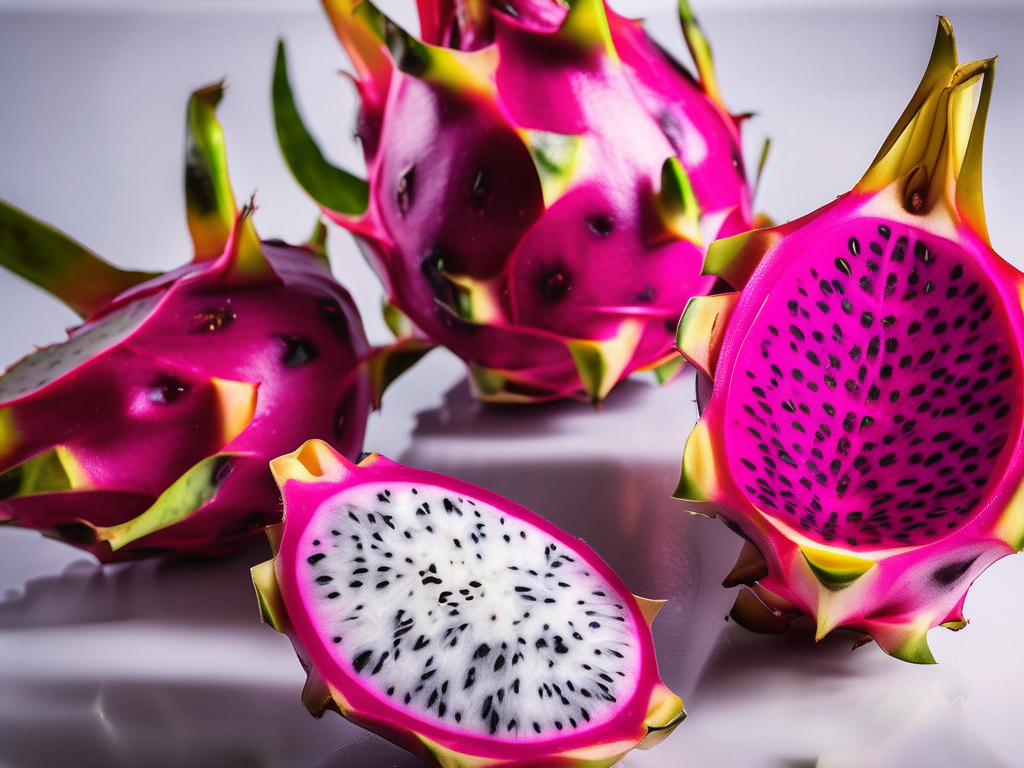
The Best Way to Store Dragon Fruit to Prevent Spoiling
The Best Way to Store Dragon Fruit to Prevent Spoiling
Dragon fruit, also known as pitaya, is a vibrant and exotic fruit that is not only delicious but also packed with essential nutrients. To fully enjoy the unique flavor and nutritional quality of dragon fruit, proper storage is key to prevent it from spoiling prematurely. In this guide, we will explore the best practices for storing dragon fruit to maintain its freshness and extend its shelf life. (Dragon fruit)
Understanding Dragon Fruit
Before delving into storage tips, let's first understand the characteristics of dragon fruit. [Dragon fruit](/food/dragon fruit) is a tropical fruit with a vibrant pink or yellow skin and a sweet, refreshing flavor. It is rich in antioxidants, vitamins, and fiber, making it a popular choice for health-conscious individuals.
Factors That Affect Dragon Fruit Spoilage
Several factors can contribute to the spoilage of dragon fruit if not stored properly:
Proper airflow and humidity control can significantly extend produce freshness. Many households use produce storage containers (Amazon) in the refrigerator to regulate moisture and slow spoilage.
-
Temperature: Dragon fruit is sensitive to temperature fluctuations and should be stored at the right temperature to prevent it from spoiling.
-
Moisture: Excess moisture can promote mold growth on the fruit, leading to spoilage.
-
Exposure to Air: Dragon fruit should be stored in a way that minimizes exposure to air, which can accelerate the ripening process.
Best Practices for Storing Dragon Fruit
To ensure that your dragon fruit stays fresh and flavorful, follow these best practices for storage:
1. Choose Ripe Dragon Fruit
When selecting dragon fruit, choose ones that are ripe but not overly soft. Ripe dragon fruit should have a slight give when gently pressed.
2. Store at the Right Temperature
Dragon fruit should be stored at a cool, dry place away from direct sunlight. The ideal temperature for storing dragon fruit is around 55-60°F (13-15°C). Avoid storing it in the refrigerator as temperatures that are too cold can cause the fruit to become mushy.
3. Use Proper Ventilation
To prevent moisture buildup, store dragon fruit in a well-ventilated area. Avoid sealing it in a plastic bag or container, as this can trap moisture and lead to spoilage.
4. Separate from Ethylene-Producing Fruits
Ethylene is a natural gas produced by certain fruits that can speed up the ripening process of other fruits. To prevent premature ripening, store dragon fruit away from ethylene-producing fruits such as bananas, apples, and avocados.
5. Handle with Care
Dragon fruit has a delicate skin that can bruise easily. Handle the fruit gently to avoid damaging the skin, which can lead to spoilage.
6. Check for Signs of Spoilage
Regularly inspect your dragon fruit for any signs of spoilage, such as mold, soft spots, or off odors. Discard any fruit that shows these signs to prevent contamination of other fruits.
Conclusion
By following these storage tips, you can prolong the freshness of your dragon fruit and enjoy its unique flavor and nutritional benefits for longer. Remember to store the fruit at the right temperature, handle it with care, and keep it away from ethylene-producing fruits to prevent premature spoilage. With proper storage practices, you can savor the delicious taste of dragon fruit in its prime condition. (Dragon fruit)
Authoritative Food Safety References
These agencies and university labs inform every tip and health precaution we publish.
USDA FoodKeeper – Cold Storage Guidelines
Official refrigerator, freezer, and pantry timelines maintained by the U.S. Department of Agriculture.
Visit USDA FoodKeeperFDA Produce Safety Rule & Grower Guidance
Field-to-fridge handling practices that prevent contamination of fruits, vegetables, and leafy greens.
Visit FDA Produce SafetyCDC Foodborne Illness Prevention Hub
Surveillance-backed guidance on pathogens, symptoms, and steps to reduce foodborne illness risk.
Visit CDC Food SafetyUC Davis Postharvest Technology Center
University research detailing optimal storage atmospheres for produce after harvest.
Visit UC Davis PostharvestPenn State Extension – Home Food Preservation & Safety
Peer-reviewed extension bulletins on safe canning, chilling, and reheating practices.
Visit Penn State ExtensionDisclosure: As an Amazon Associate, we earn from qualifying purchases. This helps support our site and allows us to continue providing free food safety information.