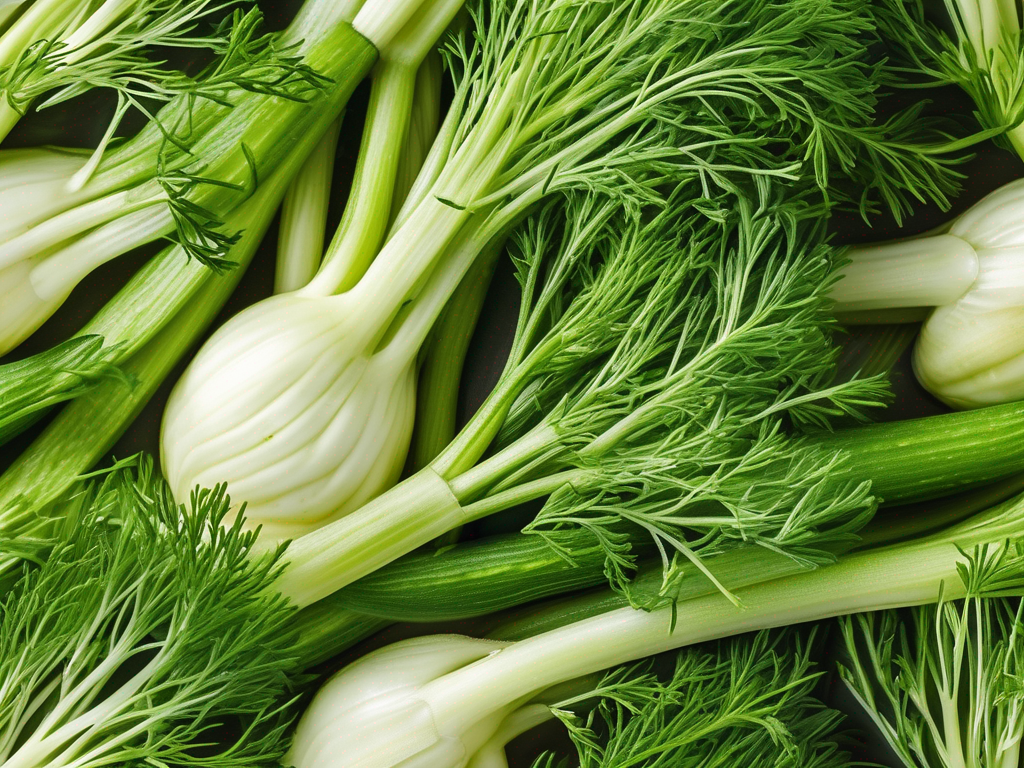
The Best Way to Store Dill for Maximum Freshness
The Best Way to Store Dill for Maximum Freshness
Dill is a versatile and aromatic herb that adds a burst of flavor to various dishes, from salads to soups and beyond. To fully enjoy the freshness and flavor of dill, proper storage is key. In this comprehensive guide, we will explore the best practices for storing dill to ensure it stays fresh for as long as possible. (Dill)
Understanding Dill: A Brief Overview
Before diving into storage tips, let's take a moment to understand dill a little better. Dill is an herb with feathery green leaves and a distinct flavor profile that is both tangy and slightly sweet. It is commonly used in pickling, as a garnish, or to flavor dishes such as fish, poultry, and vegetables.
Why Proper Storage Matters
Properly storing dill is essential for maintaining its freshness, flavor, and nutritional value. Here are a few reasons why proper storage matters:
Seafood is highly perishable and requires consistent cold storage. A refrigerator thermometer (Amazon) helps ensure your refrigerator maintains safe temperatures (40°F or below) to prevent spoilage.
Retaining Flavor:
Storing dill correctly helps preserve its essential oils, which are responsible for its unique flavor and aroma.
Preventing Spoilage:
Improper storage can lead to wilting, mold growth, and loss of flavor, ultimately rendering the dill unusable.
Food Safety:
By storing dill properly, you reduce the risk of contamination and foodborne illnesses.
Tips for Storing Dill
Now that we understand the importance of proper storage, let's explore the best ways to store dill for maximum freshness:
1. Refrigeration is Key
- Fresh Dill: Place fresh dill in a damp paper towel, then seal it in a plastic bag or an airtight container before storing it in the refrigerator.
- Cut Dill: If you have already chopped or cut the dill, store it in an airtight container in the refrigerator.
2. Avoid Moisture
- Remove Excess Moisture: Before storing dill, ensure that it is dry to prevent mold growth.
- Use Paper Towels: Place a dry paper towel in the storage container to absorb any excess moisture.
3. Proper Temperature
- Ideal Temperature: Store dill in the refrigerator at temperatures between 35-40°F (2-4°C).
- Avoid Freezing: While dill can be frozen, freezing can alter its texture, so it's best to use fresh dill whenever possible.
4. Storage Duration
- Freshness Timeline: Fresh dill can typically last for up to two weeks when stored properly in the refrigerator.
- Check for Signs: Always check for signs of wilting, discoloration, or mold before using dill.
5. Reviving Wilted Dill
- Ice Water Bath: If your dill begins to wilt, revive it by placing it in a bowl of ice water for a few minutes. This can help crisp up the leaves.
Conclusion
In conclusion, proper storage is crucial for maintaining the freshness and flavor of dill. By following these tips and storing dill in the refrigerator with the right temperature and moisture levels, you can enjoy this aromatic herb for longer periods. Remember to check your dill regularly for any signs of spoilage and discard any contaminated portions. With the right storage methods, you can elevate your dishes with the vibrant flavor of fresh dill.
Authoritative Food Safety References
These agencies and university labs inform every tip and health precaution we publish.
USDA FoodKeeper – Cold Storage Guidelines
Official refrigerator, freezer, and pantry timelines maintained by the U.S. Department of Agriculture.
Visit USDA FoodKeeperFDA Produce Safety Rule & Grower Guidance
Field-to-fridge handling practices that prevent contamination of fruits, vegetables, and leafy greens.
Visit FDA Produce SafetyCDC Foodborne Illness Prevention Hub
Surveillance-backed guidance on pathogens, symptoms, and steps to reduce foodborne illness risk.
Visit CDC Food SafetyUC Davis Postharvest Technology Center
University research detailing optimal storage atmospheres for produce after harvest.
Visit UC Davis PostharvestPenn State Extension – Home Food Preservation & Safety
Peer-reviewed extension bulletins on safe canning, chilling, and reheating practices.
Visit Penn State ExtensionDisclosure: As an Amazon Associate, we earn from qualifying purchases. This helps support our site and allows us to continue providing free food safety information.