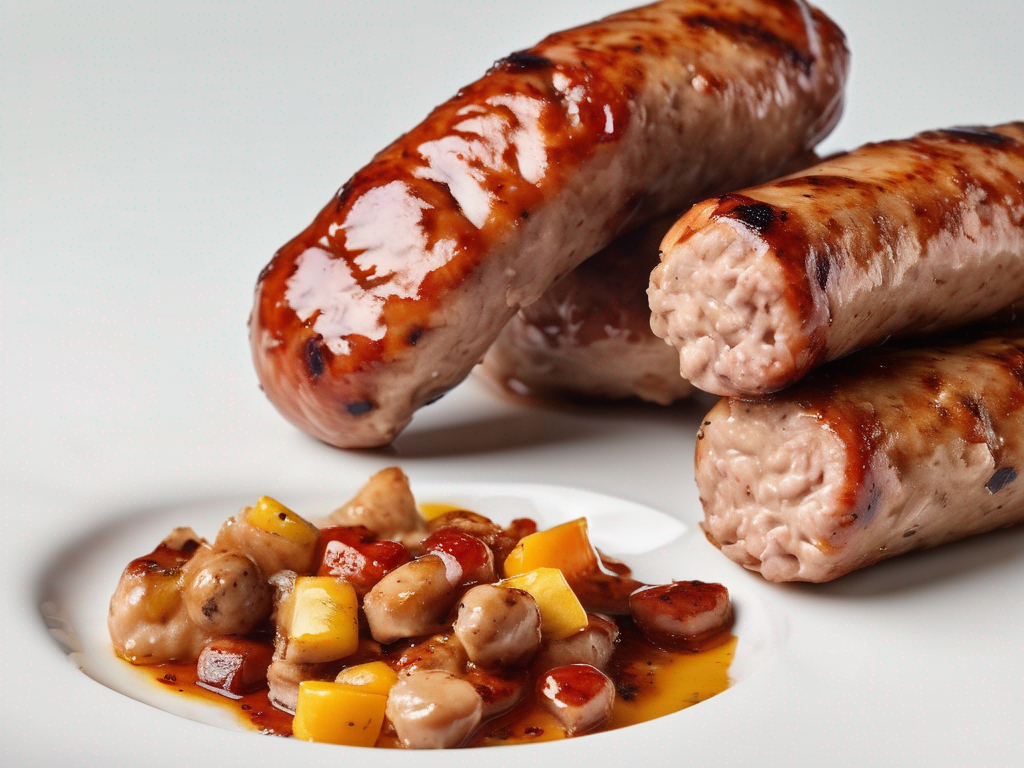
How to Properly Store Cooked Breakfast Sausage Leftovers
How to Properly Store Cooked Breakfast Sausage Leftovers
When it comes to enjoying a delicious breakfast, cooked breakfast sausage is a popular choice that can be prepared in a variety of ways. However, sometimes we end up with leftovers that we want to store for later use. Properly storing cooked breakfast sausage leftovers is essential to maintain food safety and quality. In this blog post, we will discuss the best way to store cooked breakfast sausage leftovers for later use, including practical tips and safety information. (Cooked breakfast sausage leftovers)
Why Proper Storage is Important
Properly storing cooked breakfast sausage leftovers helps prevent foodborne illnesses and maintains the quality and flavor of the food. Here are some reasons why proper storage is important:
- Prevent Bacterial Growth: Cooked food can still harbor bacteria if not stored correctly, leading to foodborne illnesses.
- Maintain Freshness: Proper storage helps retain the texture, flavor, and nutritional value of the cooked sausage.
- Reduce Food Waste: By storing leftovers properly, you can extend the shelf life of the cooked sausage and reduce food waste.
Best Practices for Storing Cooked Breakfast Sausage Leftovers
Cool Down Properly
- Allow the cooked breakfast sausage leftovers to cool down at room temperature for no more than 2 hours.
- To speed up the cooling process, divide the leftovers into smaller portions and place them in shallow containers.
Choose the Right Storage Containers
- Use airtight containers or resealable plastic bags to store the cooked breakfast sausage leftovers.
- Make sure the containers are clean and dry before transferring the leftovers.
Refrigerate Promptly
- Place the cooled cooked breakfast sausage leftovers in the refrigerator within 2 hours of cooking.
- Store the leftovers in the coldest part of the refrigerator, preferably at or below 40°F (4°C).
Label and Date
- Label the containers with the contents and date of storage to keep track of how long the leftovers have been stored.
- Use the leftovers within 3-4 days for the best quality and safety.
Reheating Safely
- When reheating the cooked breakfast sausage leftovers, ensure they reach an internal temperature of 165°F (74°C) to kill any bacteria.
- Use a food thermometer to check the temperature of the reheated sausage.
Safety Tips for Storing Cooked Breakfast Sausage Leftovers
Avoid Cross-Contamination
- Wash your hands thoroughly before handling cooked food.
- Use separate cutting boards and utensils for raw and cooked foods to prevent cross-contamination.
Do Not Leave Leftovers at Room Temperature
- Bacteria multiply rapidly at room temperature, leading to foodborne illnesses.
- Promptly refrigerate or freeze cooked breakfast sausage leftovers to prevent bacterial growth.
Do Not Refreeze Thawed Leftovers
- Once you thaw cooked breakfast sausage leftovers, do not refreeze them. Refreezing can affect the texture and quality of the sausage.
Check for Signs of Spoilage
- Before consuming the cooked breakfast sausage leftovers, check for any signs of spoilage such as off smells, mold, or unusual texture.
- When in doubt, throw it out to avoid foodborne illnesses.
Use the FIFO Method
- FIFO stands for "First In, First Out," meaning you should use the oldest cooked breakfast sausage leftovers first to prevent food waste.
Conclusion
Properly storing cooked breakfast sausage leftovers is crucial for maintaining food safety and quality. By following the best practices outlined in this blog post, you can ensure that your leftovers stay fresh and safe for consumption. Remember to cool down the leftovers, use the right storage containers, refrigerate promptly, label and date the containers, and reheat safely. By incorporating these safety tips into your food storage routine, you can enjoy delicious cooked breakfast sausage leftovers without compromising your health. Cooked breakfast sausage leftovers (Cooked breakfast sausage leftovers)
Authoritative Food Safety References
These agencies and university labs inform every tip and health precaution we publish.
USDA FoodKeeper – Cold Storage Guidelines
Official refrigerator, freezer, and pantry timelines maintained by the U.S. Department of Agriculture.
Visit USDA FoodKeeperFDA Produce Safety Rule & Grower Guidance
Field-to-fridge handling practices that prevent contamination of fruits, vegetables, and leafy greens.
Visit FDA Produce SafetyCDC Foodborne Illness Prevention Hub
Surveillance-backed guidance on pathogens, symptoms, and steps to reduce foodborne illness risk.
Visit CDC Food SafetyUC Davis Postharvest Technology Center
University research detailing optimal storage atmospheres for produce after harvest.
Visit UC Davis PostharvestPenn State Extension – Home Food Preservation & Safety
Peer-reviewed extension bulletins on safe canning, chilling, and reheating practices.
Visit Penn State Extension