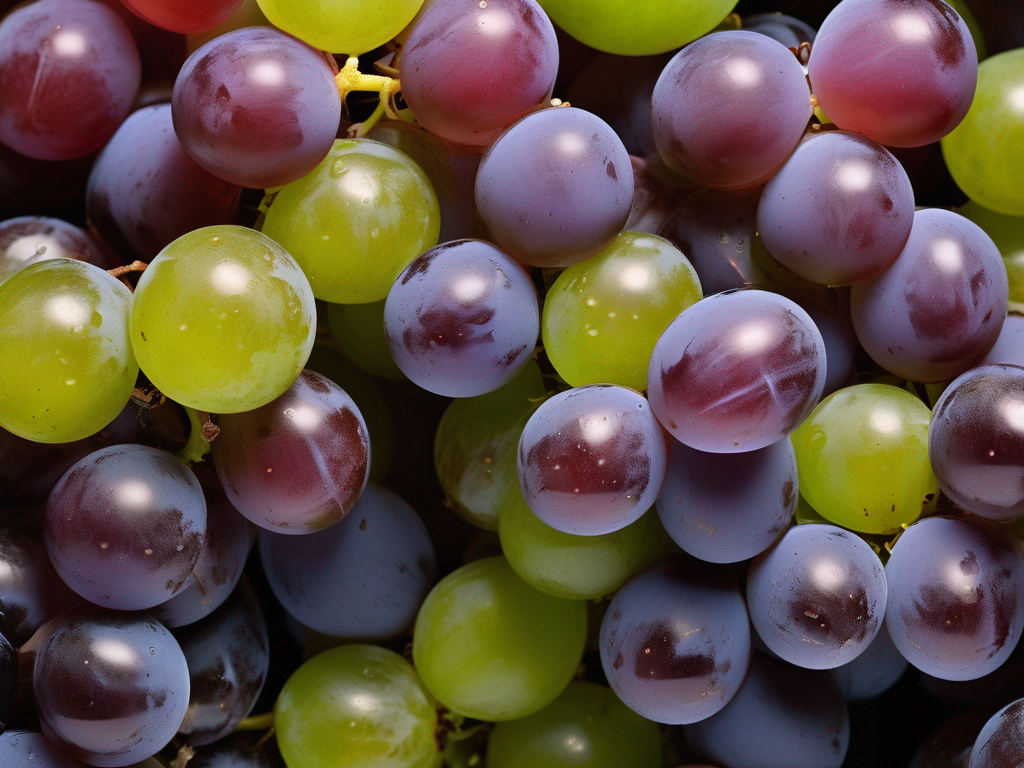
The Best Way to Store Common Grapes to Maintain Freshness
The Best Way to Store Common Grapes to Maintain Freshness
Common grapes are a delicious and versatile fruit that can be enjoyed on their own, as part of a fruit salad, or even used in cooking and baking. To fully enjoy the freshness and flavor of common grapes, proper storage is key. In this blog post, we will explore the best practices for storing common grapes to ensure they stay fresh for as long as possible. (Common grape)
Understanding Common Grapes
Common grapes, also known as table grapes, come in a variety of colors and flavors. They are a good source of vitamins and antioxidants, making them a healthy addition to your diet. Whether you prefer red, green, or black grapes, proper storage is essential to maintain their quality.
Benefits of Common Grapes
- Rich in antioxidants
- Good source of vitamins C and K
- Low in calories
- May help improve heart health
Best Practices for Storing Common Grapes
Proper storage is crucial to preserving the freshness and flavor of common grapes. Follow these tips to keep your grapes fresh for longer:
Proper cooking temperatures are essential for food safety. An instant-read food thermometer (Amazon) helps ensure meat reaches safe internal temperatures and reduces the risk of foodborne illness.
1. Choose the Right Grapes
- Select grapes that are plump, firm, and free from wrinkles or blemishes.
- Look for grapes that are firmly attached to the stem, as this indicates freshness.
2. Store in the Refrigerator
- Place unwashed grapes in a perforated plastic bag or a container with air vents to allow for airflow.
- Store grapes in the refrigerator's crisper drawer, where the temperature is slightly higher than the rest of the fridge.
3. Wash Before Eating
- Rinse grapes under cool running water just before eating to remove any dirt or residues.
- Pat the grapes dry with a paper towel before serving.
4. Remove Spoiled Grapes
- Check the grapes regularly for any signs of spoilage, such as mold or mushy texture.
- Discard any grapes that show signs of spoilage to prevent it from spreading to the rest.
5. Freeze for Long-Term Storage
- If you have an abundance of grapes, consider freezing them for longer storage.
- Wash and dry the grapes, then spread them in a single layer on a baking sheet and freeze until firm before transferring to a freezer-safe bag or container.
Safety Tips for Storing Common Grapes
When it comes to storing common grapes, safety is paramount. Follow these safety tips to ensure that your grapes remain fresh and free from contamination:
- Wash your hands before handling grapes to prevent transferring bacteria.
- Store grapes away from raw meats and seafood to avoid cross-contamination.
- Use separate cutting boards and utensils for preparing grapes to prevent contamination.
- Keep grapes away from strong-smelling foods in the refrigerator to prevent flavor transfer.
Conclusion
Proper storage is essential for maintaining the freshness and quality of common grapes. By following the tips outlined in this blog post, you can ensure that your grapes stay fresh and delicious for as long as possible. Remember to choose high-quality grapes, store them in the refrigerator, wash before eating, and remove any spoiled grapes promptly. With these simple steps, you can enjoy the sweet and juicy flavor of common grapes at their best. (Common grape)
Authoritative Food Safety References
These agencies and university labs inform every tip and health precaution we publish.
USDA FoodKeeper – Cold Storage Guidelines
Official refrigerator, freezer, and pantry timelines maintained by the U.S. Department of Agriculture.
Visit USDA FoodKeeperFDA Produce Safety Rule & Grower Guidance
Field-to-fridge handling practices that prevent contamination of fruits, vegetables, and leafy greens.
Visit FDA Produce SafetyCDC Foodborne Illness Prevention Hub
Surveillance-backed guidance on pathogens, symptoms, and steps to reduce foodborne illness risk.
Visit CDC Food SafetyUC Davis Postharvest Technology Center
University research detailing optimal storage atmospheres for produce after harvest.
Visit UC Davis PostharvestPenn State Extension – Home Food Preservation & Safety
Peer-reviewed extension bulletins on safe canning, chilling, and reheating practices.
Visit Penn State ExtensionDisclosure: As an Amazon Associate, we earn from qualifying purchases. This helps support our site and allows us to continue providing free food safety information.