The Best Way to Store Buckwheat to Prevent Spoilage
The Best Way to Store Buckwheat to Prevent Spoilage
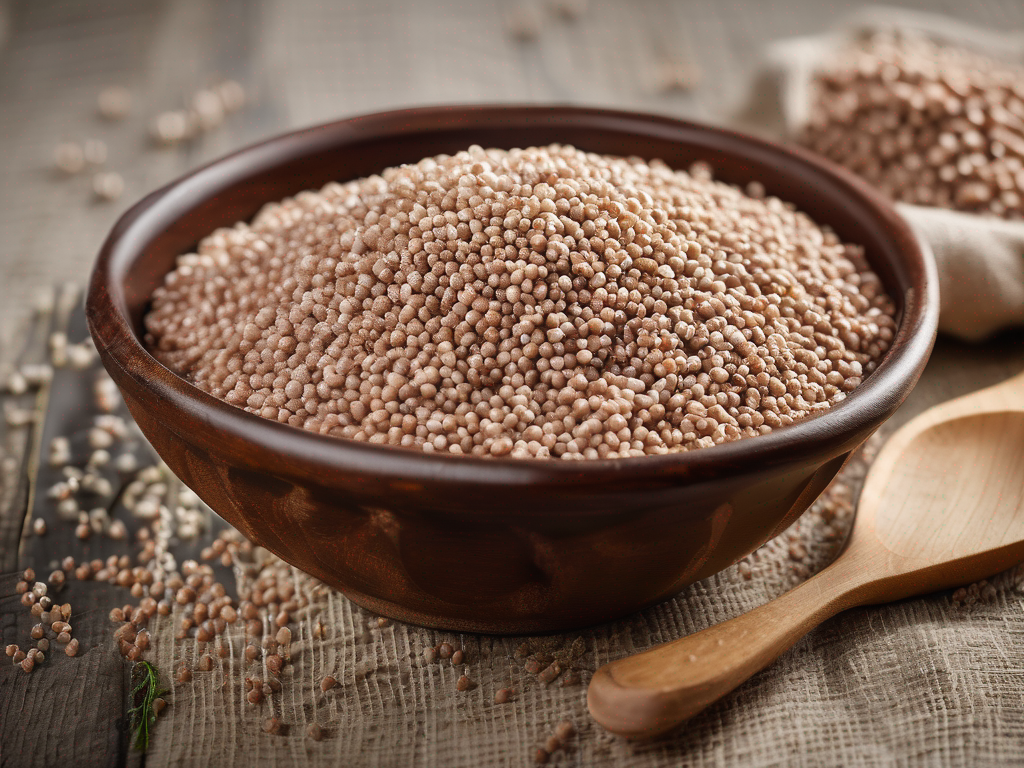
Buckwheat is a highly nutritious and versatile whole grain that is becoming increasingly popular in modern diets due to its numerous nutritional quality. It is a great source of protein, fiber, and essential nutrients, making it a valuable addition to any diet. However, like all grains, buckwheat is susceptible to spoilage if not stored properly. In this article, we will explore the best ways to store buckwheat to prevent spoilage and ensure its freshness and quality. (Buckwheat)
Understanding Buckwheat
Buckwheat is a gluten-free whole grain that is rich in antioxidants and minerals such as magnesium and copper. It has a distinct nutty flavor and a versatile texture, making it a popular choice for both savory and sweet dishes. Buckwheat is commonly used in dishes like porridge, salads, and even baked goods like pancakes and muffins.
Nutritional Benefits of Buckwheat
Before delving into the proper storage of buckwheat, let's take a quick look at some of the key nutritional benefits of this ancient grain:
Dry foods stay fresher when protected from moisture, pests, and air exposure. Using airtight pantry containers (Amazon) helps maintain quality and extend shelf life for pantry staples.
- High in protein: Buckwheat is a complete protein source, containing all nine essential amino acids.
- Rich in fiber: Buckwheat is an excellent source of dietary fiber, which promotes digestive health and helps regulate blood sugar levels.
- Packed with antioxidants: Buckwheat contains various antioxidants, including rutin, which may help may affect quality or cause digestive discomfort in some people and lower the risk of chronic diseases.
- Gluten-free: Buckwheat is naturally gluten-free, making it a suitable alternative for individuals with gluten sensitivities or celiac disease.
Now that we understand the nutritional value of buckwheat, let's move on to the best practices for storing this nutritious grain to maintain its quality and freshness.
Proper Storage of Buckwheat
Proper storage is essential to preserve the flavor, texture, and nutritional quality of buckwheat. Here are some tips to help you store buckwheat effectively and prevent spoilage:
1. Choose the Right Container
To keep buckwheat fresh and free from moisture and pests, store it in an airtight container. Opt for glass or food-grade plastic containers with tight-fitting lids to maintain the integrity of the grain.
Excess humidity can cause dry foods to clump or spoil. Adding food-safe desiccant packs (Amazon) to storage containers helps control moisture levels and extend shelf life.
2. Keep It in a Cool, Dark Place
Store buckwheat in a cool, dark pantry or cupboard away from heat sources and direct sunlight. Exposure to light and heat can cause the grain to deteriorate more quickly and lose its nutritional value.
3. Check for Signs of Spoilage
Regularly inspect your stored buckwheat for any signs of spoilage, such as a musty smell, discoloration, or the presence of insects or mold. Discard any spoiled grains to prevent contamination of the rest of the batch.
4. Use Vacuum-Sealed Bags
For long-term storage, consider using vacuum-sealed bags to remove excess air and create a tight seal around the buckwheat. Vacuum sealing helps extend the shelf life of the grain by preventing oxidation and moisture buildup.
5. Label and Date the Container
To keep track of the freshness of your buckwheat, label the storage container with the date of purchase or packaging. Proper labeling helps you use the oldest grains first and ensures you maintain a rotation system for optimal freshness.
Conclusion
In conclusion, proper storage plays a crucial role in maintaining the quality and freshness of buckwheat. By following these simple tips, you can prevent spoilage and ensure that your buckwheat remains nutritious and flavorful for an extended period. Incorporate buckwheat into your diet regularly to enjoy its nutritional quality and versatile culinary uses. Remember to store it in a cool, dark place in airtight containers and check for signs of spoilage periodically. With the right storage practices, you can make the most of this wholesome grain and elevate your meals with its unique taste and nutritional value.
For more information on buckwheat and its culinary uses, visit this link.
Remember, a little care in storage goes a long way in preserving the goodness of buckwheat for your culinary creations. (Buckwheat)
Authoritative Food Safety References
These agencies and university labs inform every tip and health precaution we publish.
USDA FoodKeeper – Cold Storage Guidelines
Official refrigerator, freezer, and pantry timelines maintained by the U.S. Department of Agriculture.
Visit USDA FoodKeeperFDA Produce Safety Rule & Grower Guidance
Field-to-fridge handling practices that prevent contamination of fruits, vegetables, and leafy greens.
Visit FDA Produce SafetyCDC Foodborne Illness Prevention Hub
Surveillance-backed guidance on pathogens, symptoms, and steps to reduce foodborne illness risk.
Visit CDC Food SafetyUC Davis Postharvest Technology Center
University research detailing optimal storage atmospheres for produce after harvest.
Visit UC Davis PostharvestPenn State Extension – Home Food Preservation & Safety
Peer-reviewed extension bulletins on safe canning, chilling, and reheating practices.
Visit Penn State ExtensionDisclosure: As an Amazon Associate, we earn from qualifying purchases. This helps support our site and allows us to continue providing free food safety information.