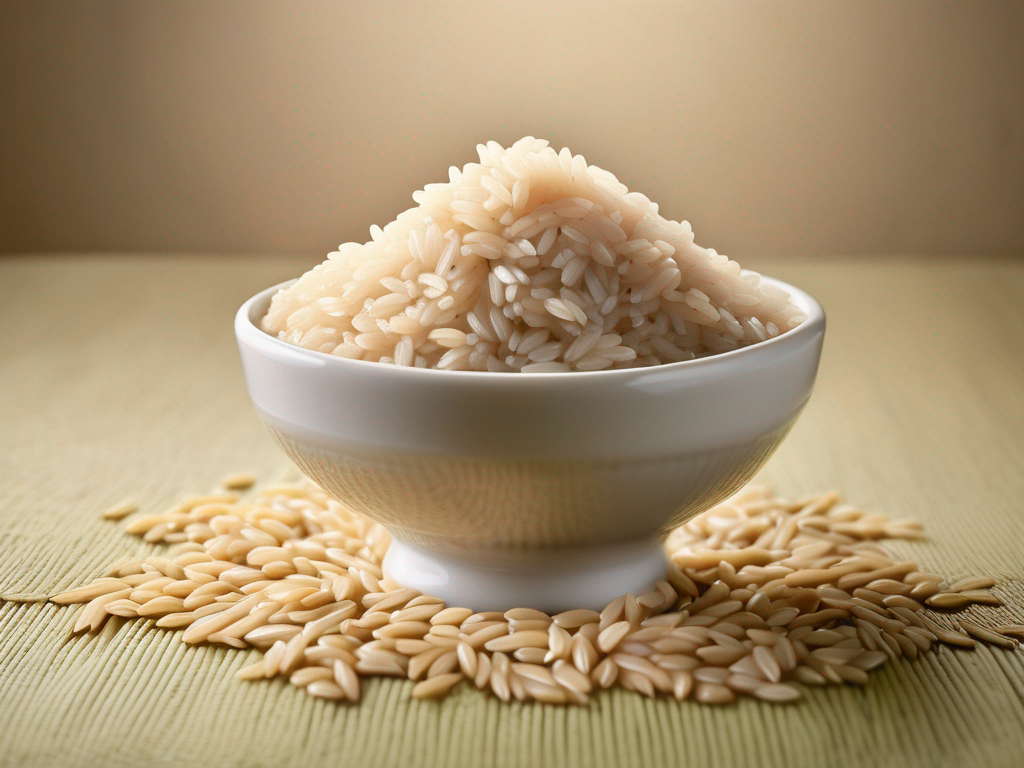
The Best Way to Store Brown Rice for Optimal Freshness
The Ultimate Guide to Brown Rice: Does Brown Rice Expire? A Comprehensive Look at Brown Rice Storage, Shelf Life, and Safety
Brown rice is a popular and nutritious grain that has gained recognition for its nutritional quality and delicious flavor. In this comprehensive guide, we will delve into the shelf life of brown rice, proper storage techniques, and essential tips to maintain its freshness and quality. Understanding how to store brown rice correctly is crucial to ensure its longevity and safety for consumption.
Understanding the Shelf Life of Brown Rice
Brown rice, with its bran and germ layers intact, offers essential nutrients and fiber compared to white rice. However, these layers also contain natural oils that can lead to quicker spoilage. While white rice has a longer shelf life due to the removal of these layers, brown rice can still be stored effectively for an extended period with proper care.
Factors That Affect the Shelf Life of Brown Rice
Several factors influence the shelf life of brown rice, including:
Dry foods stay fresher when protected from moisture, pests, and air exposure. Using airtight pantry containers (Amazon) helps maintain quality and extend shelf life for pantry staples.
- Moisture: Excess moisture can promote mold and bacterial growth on brown rice.
- Temperature: Storing brown rice in a cool, dry place helps prevent spoilage.
- Light: Exposure to light can accelerate rancidity in brown rice.
- Pests: Sealing brown rice in a container protects it from pests like insects and rodents.
How Long Does Brown Rice Last?
When stored correctly, brown rice can maintain its quality for an extended period. Here are general guidelines for the shelf life of different types of brown rice:
- Uncooked brown rice: Can last up to 6 to 12 months when stored in a cool, dry place.
- Cooked brown rice: Should be consumed within 4 to 6 days when refrigerated.
- Brown rice flour: Best used within 3 to 6 months for optimal quality.
Signs That Brown Rice Has Gone Bad
To avoid consuming spoiled brown rice, watch out for these indicators of spoilage:
- Unpleasant odor
- Mold growth
- Unusual discoloration
- Slimy texture
Proper Storage Tips for Brown Rice
To maintain the freshness and quality of your brown rice, follow these storage tips:
Excess humidity can cause dry foods to clump or spoil. Adding food-safe desiccant packs (Amazon) to storage containers helps control moisture levels and extend shelf life.
- Store in an airtight container: Transfer brown rice to an airtight container to shield it from moisture and pests.
- Keep in a cool, dark place: Store brown rice in a cool, dark pantry or cupboard away from heat and light.
- Avoid refrigeration: Uncooked brown rice is best stored in a cool, dry place outside the refrigerator.
- Rotate stock: Use older brown rice first to ensure freshness.
Shelf Life of Brown Rice
Under proper storage conditions, brown rice can last:
- Uncooked brown rice: 6 to 12 months
- Cooked brown rice: 4 to 6 days in the refrigerator
By adhering to the storage guidelines provided, you can maximize the shelf life of your brown rice and enjoy it at its best quality.
Review and Credibility
This comprehensive guide on brown rice storage and shelf life is compiled from reputable sources and expert knowledge in food safety. The tips and recommendations provided are aimed at ensuring the safety and quality of brown rice for consumers.
For more information on brown rice and additional food storage tips, visit brown rice.
Authoritative Food Safety References
These agencies and university labs inform every tip and health precaution we publish.
USDA FoodKeeper – Cold Storage Guidelines
Official refrigerator, freezer, and pantry timelines maintained by the U.S. Department of Agriculture.
Visit USDA FoodKeeperFDA Produce Safety Rule & Grower Guidance
Field-to-fridge handling practices that prevent contamination of fruits, vegetables, and leafy greens.
Visit FDA Produce SafetyCDC Foodborne Illness Prevention Hub
Surveillance-backed guidance on pathogens, symptoms, and steps to reduce foodborne illness risk.
Visit CDC Food SafetyUC Davis Postharvest Technology Center
University research detailing optimal storage atmospheres for produce after harvest.
Visit UC Davis PostharvestPenn State Extension – Home Food Preservation & Safety
Peer-reviewed extension bulletins on safe canning, chilling, and reheating practices.
Visit Penn State ExtensionFrequently Asked Questions
Q: Can I freeze brown rice to extend its shelf life?
Q: How long can I keep cooked brown rice in the fridge?
Q: Can I store brown rice in the pantry?
Q: What are the signs that brown rice has gone bad?
Disclosure: As an Amazon Associate, we earn from qualifying purchases. This helps support our site and allows us to continue providing free food safety information.