The Ultimate Guide to Storing Breakfast Cereal for Maximum Freshness
The Ultimate Guide to Storing Breakfast Cereal for Maximum Freshness
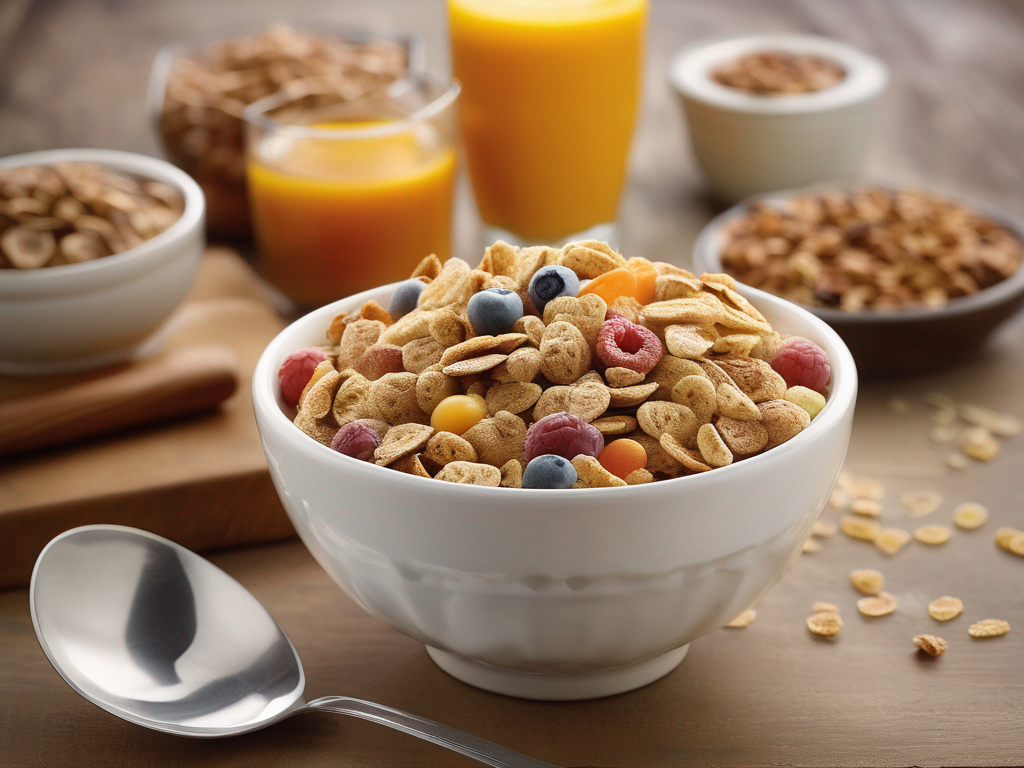
Are you tired of your breakfast cereal going stale too quickly? Properly storing your cereal can make a significant difference in maintaining its freshness and flavor. In this comprehensive guide, we will explore the best ways to store breakfast cereal to ensure it stays crisp and delicious for longer periods. (Breakfast cereal)
Why Proper Storage Matters
Properly storing your breakfast cereal is essential for several reasons:
- Maintains Freshness: Storing cereal correctly helps prevent it from becoming stale or losing its crunchiness.
- Preserves Flavor: Proper storage methods help preserve the flavor and aroma of the cereal.
- Prevents Spoilage: Storing cereal properly can prevent it from becoming rancid or developing off-flavors.
Now, let's delve into the best practices for storing breakfast cereal.
Dry foods stay fresher when protected from moisture, pests, and air exposure. Using airtight pantry containers (Amazon) helps maintain quality and extend shelf life for pantry staples.
Choosing the Right Container
The type of container you use to store your breakfast cereal can greatly impact its freshness. Here are some key considerations:
Airtight Containers
- Benefits: Airtight containers help prevent air and moisture from entering, keeping the cereal fresh for longer.
- Materials: Opt for containers made of plastic, glass, or metal with tight-sealing lids.
- Avoid: Avoid storing cereal in its original packaging once opened, as it may not be airtight.
Storage Bins
- Benefits: Storage bins with airtight seals can help keep your cereal fresh and easily accessible.
- Transferring Cereal: Transfer the cereal from its original packaging to a storage bin for optimal freshness.
Proper Storage Location
Where you store your breakfast cereal can also impact its shelf life and freshness. Consider the following tips:
Cool, Dry Place
- Ideal Temperature: Store cereal in a cool, dry place away from direct sunlight and heat sources.
- Avoid Moisture: Keep cereal away from areas with high humidity to prevent it from becoming soggy.
Pantry vs. Refrigerator
- Pantry Storage: Most breakfast cereals can be stored in the pantry at room temperature.
- Refrigeration: Avoid storing cereal in the refrigerator, as it can introduce moisture and affect the texture.
Additional Tips for Maximum Freshness
To further enhance the freshness of your breakfast cereal, consider the following tips:
Excess humidity can cause dry foods to clump or spoil. Adding food-safe desiccant packs (Amazon) to storage containers helps control moisture levels and extend shelf life.
Portion Control
- Avoid Overfilling: Only pour out the amount of cereal you plan to eat to prevent the rest from being exposed to air.
Use Clips or Seals
- Sealing Bags: Use clips or sealing devices to tightly seal the cereal bag after each use.
- Prevent Spillage: Sealing the bag properly can also prevent spills and keep your pantry organized.
Rotate Stock
- First In, First Out: Practice FIFO (First In, First Out) by rotating your cereal stock to ensure older boxes are used first.
Check Expiration Dates
- Monitor Dates: Regularly check the expiration dates on your cereal boxes and consume them before they expire.
Conclusion
Properly storing breakfast cereal is crucial for maintaining its freshness, flavor, and quality. By choosing the right containers, storing cereal in a cool, dry place, and following additional tips for maximum freshness, you can enjoy your favorite cereals at their best. Implement these storage practices today to make your breakfasts more enjoyable and delicious.
Remember, fresh cereal is the key to a great start to your day!
[breakfast cereal](/food/breakfast cereal) (Breakfast cereal)
Authoritative Food Safety References
These agencies and university labs inform every tip and health precaution we publish.
USDA FoodKeeper – Cold Storage Guidelines
Official refrigerator, freezer, and pantry timelines maintained by the U.S. Department of Agriculture.
Visit USDA FoodKeeperFDA Produce Safety Rule & Grower Guidance
Field-to-fridge handling practices that prevent contamination of fruits, vegetables, and leafy greens.
Visit FDA Produce SafetyCDC Foodborne Illness Prevention Hub
Surveillance-backed guidance on pathogens, symptoms, and steps to reduce foodborne illness risk.
Visit CDC Food SafetyUC Davis Postharvest Technology Center
University research detailing optimal storage atmospheres for produce after harvest.
Visit UC Davis PostharvestPenn State Extension – Home Food Preservation & Safety
Peer-reviewed extension bulletins on safe canning, chilling, and reheating practices.
Visit Penn State ExtensionFrequently Asked Questions
Can I freeze breakfast cereal to prolong its shelf life?
How long can breakfast cereal be stored before it goes bad?
Should I store breakfast cereal in the refrigerator?
How can I tell if breakfast cereal has gone bad?
Disclosure: As an Amazon Associate, we earn from qualifying purchases. This helps support our site and allows us to continue providing free food safety information.