Preserving Endive for Later Use: Tips for Freshness and Flavor
Preserving Endive for Later Use: Tips for Freshness and Flavor
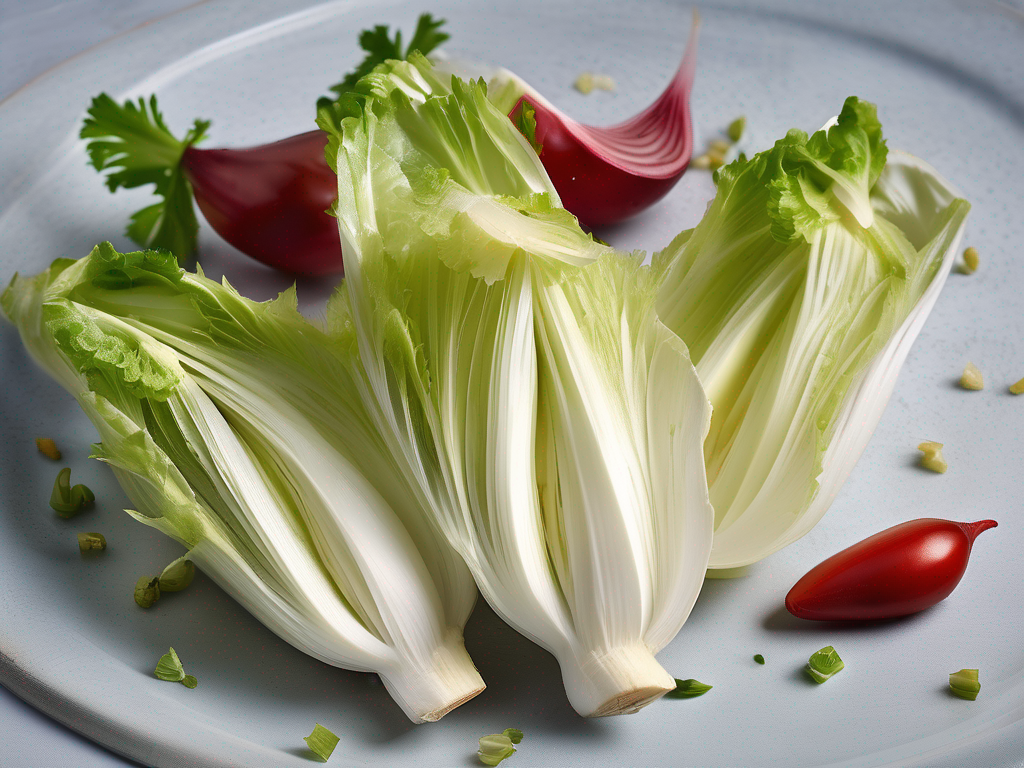
Endive, also known as chicory or Belgian endive, is a versatile and nutritious vegetable that can add a crisp, slightly bitter flavor to salads, appetizers, and cooked dishes. Whether you have an abundance of fresh endive from your garden or found a great deal at the market, knowing how to properly store and preserve it can help extend its shelf life and maintain its quality. In this guide, we will explore the best ways to preserve endive for later use, ensuring that you can enjoy its unique taste and nutritional benefits for longer periods. (Endive)
Understanding Endive
Before delving into preservation methods, it's essential to understand the characteristics of endive that can impact its storage and shelf life. Endive is a member of the chicory family, featuring tightly packed leaves that are pale green or white in color. It has a slightly bitter taste, which can vary depending on the variety and growing conditions. Rich in vitamins A and K, endive is a low-calorie vegetable that offers various nutritional quality, including improved digestion and immune support.
Types of Endive
- Belgian Endive: Grown in darkness to promote pale leaves and a milder flavor.
- Curly Endive: Also known as frisée, with curly, bitter leaves.
- Escarole: Broad, flat leaves with a slightly less bitter taste compared to other varieties.
Best Practices for Storing Endive
Proper storage is crucial to preserving the freshness and flavor of endive. Follow these tips to ensure your endive stays crisp and delicious for as long as possible:
Proper airflow and humidity control can significantly extend produce freshness. Many households use produce storage containers (Amazon) in the refrigerator to regulate moisture and slow spoilage.
1. Choose Fresh Endive:
- Select endive with crisp, firm leaves and no signs of wilting or browning.
- Avoid endive with soft spots or discoloration, as these indicate spoilage.
2. Prep Endive Carefully:
- Trim the stem end before storing to prevent moisture loss and prolong freshness.
- Rinse endive under cold water and dry thoroughly to remove any dirt or debris.
3. Optimal Storage Conditions:
- Store unwashed endive in the crisper drawer of the refrigerator.
- Place endive in a perforated plastic bag or wrap it in a damp paper towel to maintain humidity.
4. Avoid Ethylene Exposure:
- Keep endive away from ethylene-producing fruits like apples and bananas, as this gas can speed up the ripening process and cause endive to deteriorate more quickly.
Ways to Preserve Endive
While fresh endive is best enjoyed soon after purchase, there are several methods you can use to preserve it for later use:
1. Refrigeration:
- Wrap unwashed endive in a damp paper towel and store it in a plastic bag in the refrigerator.
- Check the endive periodically for any signs of wilting or moisture buildup and discard any spoiled leaves.
2. Blanching and Freezing:
- Blanch whole endive leaves in boiling water for a few seconds, then plunge them into ice water to stop the cooking process.
- Drain and pat dry the blanched endive leaves before freezing them in a single layer on a baking sheet.
- Once frozen, transfer the endive leaves to a freezer-safe bag or container for long-term storage.
3. Pickling:
- Prepare a pickling brine using vinegar, water, salt, sugar, and spices of your choice.
- Trim the endive and pack it into sterilized jars before pouring the hot pickling brine over the endive.
- Seal the jars and store them in the refrigerator for several weeks or process them in a water bath canner for shelf-stable preservation.
4. Dehydrating:
- Slice endive into thin strips or rings and arrange them in a single layer on dehydrator trays.
- Dry the endive at a low temperature until crisp and brittle.
- Store the dehydrated endive in an airtight container in a cool, dark place for extended shelf life.
Conclusion
Preserving endive for later use allows you to enjoy this flavorful and nutrient-rich vegetable even when it's out of season or in limited supply. By following the storage and preservation methods outlined in this guide, you can prolong the shelf life of endive while maintaining its crisp texture and distinctive taste. Experiment with different preservation techniques to find the ones that best suit your preferences and culinary needs. With proper care and attention, you can savor the goodness of endive in various dishes throughout the year.
Remember, the key to preserving endive successfully lies in selecting high-quality produce, handling it with care, and storing it under optimal conditions. By incorporating these practices into your routine, you can make the most of this versatile vegetable and elevate your culinary creations with its unique flavor profile. Enjoy the freshness of endive whenever you desire by mastering the art of preservation. Endive (Endive)
Keeping produce organized can improve air circulation and cooling. refrigerator organizer bins (Amazon) help reduce overcrowding and maintain consistent refrigerator temperatures.
Authoritative Food Safety References
These agencies and university labs inform every tip and health precaution we publish.
USDA FoodKeeper – Cold Storage Guidelines
Official refrigerator, freezer, and pantry timelines maintained by the U.S. Department of Agriculture.
Visit USDA FoodKeeperFDA Produce Safety Rule & Grower Guidance
Field-to-fridge handling practices that prevent contamination of fruits, vegetables, and leafy greens.
Visit FDA Produce SafetyCDC Foodborne Illness Prevention Hub
Surveillance-backed guidance on pathogens, symptoms, and steps to reduce foodborne illness risk.
Visit CDC Food SafetyUC Davis Postharvest Technology Center
University research detailing optimal storage atmospheres for produce after harvest.
Visit UC Davis PostharvestPenn State Extension – Home Food Preservation & Safety
Peer-reviewed extension bulletins on safe canning, chilling, and reheating practices.
Visit Penn State ExtensionDisclosure: As an Amazon Associate, we earn from qualifying purchases. This helps support our site and allows us to continue providing free food safety information.