Preserving Cooked Split Peas: Tips for Long-Term Storage
Preserving Cooked Split Peas: Tips for Long-Term Storage
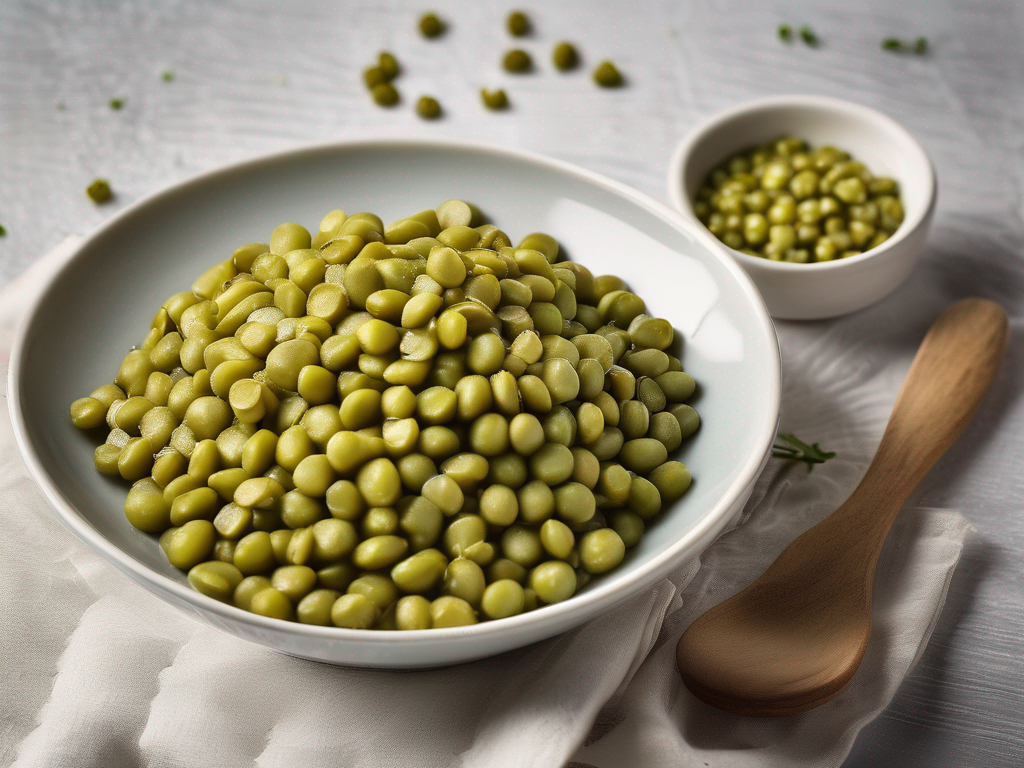
Cooked split peas are a nutritious and versatile ingredient that can be used in a variety of dishes like soups, stews, salads, and dips. If you find yourself with a surplus of cooked split peas and want to preserve them for future use, there are several methods you can employ to ensure they stay fresh and safe to eat. In this blog post, we'll explore the best ways to preserve cooked split peas for long-term storage. (Cooked split peas)
Why Preserve Cooked Split Peas?
Before we delve into the preservation methods, let's understand why it's essential to store cooked split peas properly:
-
Prevent Food Waste: By preserving cooked split peas, you can avoid throwing away excess food and save money in the long run.
-
Convenience: Having pre-cooked split peas on hand can make meal preparation quicker and more convenient, especially on busy days.
-
Nutritional Value: Properly stored cooked split peas can retain their nutritional value for an extended period, allowing you to enjoy their nutritional quality.
Now, let's explore the different methods you can use to preserve cooked split peas.
Freezing Cooked Split Peas
Freezing is one of the most effective ways to preserve cooked split peas while maintaining their taste and texture. Here's how you can freeze cooked split peas:
Steps for Freezing Cooked Split Peas:
-
Cooling: Allow the cooked split peas to cool completely before freezing to prevent condensation and ice crystals from forming.
-
Portioning: Divide the cooked split peas into meal-sized portions to make thawing and using them more convenient.
-
Packaging: Place the cooled split peas in airtight containers or freezer bags, removing excess air to prevent freezer burn.
Tips for Freezing Cooked Split Peas:
- Label the containers with the date of freezing to track their freshness.
- Frozen cooked split peas can typically last for up to 6 months in the freezer.
- Thaw frozen split peas in the refrigerator overnight before using them in recipes.
Canning Cooked Split Peas
Canning is another method that can help preserve cooked split peas for an extended period. Properly canned split peas can be stored at room temperature, making them a convenient pantry staple.
Steps for Canning Cooked Split Peas:
-
Prepare Jars: Sterilize canning jars and lids by boiling them or using a dishwasher.
-
Fill Jars: Fill the jars with hot cooked split peas, leaving some headspace at the top.
-
Sealing: Seal the jars with sterilized lids and process them in a pressure canner according to the manufacturer's instructions.
Tips for Canning Cooked Split Peas:
- Follow tested recipes and guidelines for canning split peas to ensure safety.
- Store canned split peas in a cool, dark place away from direct sunlight.
- Check the jars for signs of spoilage before consuming the contents.
Dehydrating Cooked Split Peas
Dehydrating cooked split peas is a space-saving preservation method that can extend their shelf life significantly. Dehydrated split peas can be rehydrated for use in soups and other dishes.
Steps for Dehydrating Cooked Split Peas:
-
Cooking: Cook the split peas until they are soft and tender.
-
Dehydrating: Spread the cooked split peas in a single layer on a dehydrator tray and dry them at the appropriate temperature until fully dehydrated.
-
Storage: Store the dehydrated split peas in airtight containers in a cool, dry place.
Tips for Dehydrating Cooked Split Peas:
- Monitor the dehydration process closely to prevent over-drying.
- Rehydrate dehydrated split peas by soaking them in water before using them in recipes.
- Dehydrated split peas can be ground into a powder for use as a thickening agent in dishes.
Storing Cooked Split Peas in the Refrigerator
If you plan to use cooked split peas within a few days, storing them in the refrigerator is a convenient option. Proper storage in the fridge can help maintain the quality of the split peas.
Tips for Storing Cooked Split Peas in the Refrigerator:
- Transfer the cooked split peas to a shallow, airtight container for storage.
- Use the split peas within 3-4 days for the best quality and taste.
- Check for any signs of spoilage, such as off odors or mold, before consuming refrigerated split peas.
Conclusion
Preserving cooked split peas allows you to enjoy their nutritional benefits and versatility in various recipes without the risk of spoilage. Whether you choose to freeze, can, dehydrate, or refrigerate cooked split peas, following proper storage methods is crucial to maintaining their quality and safety. By using the tips and techniques outlined in this blog post, you can ensure that your cooked split peas remain fresh and flavorful for future use.
Don't let your surplus of cooked split peas go to waste – preserve them using these methods and elevate your culinary creations with this nutritious legume! [cooked split peas](/food/cooked split peas) (Cooked split peas)
Authoritative Food Safety References
These agencies and university labs inform every tip and health precaution we publish.
USDA FoodKeeper – Cold Storage Guidelines
Official refrigerator, freezer, and pantry timelines maintained by the U.S. Department of Agriculture.
Visit USDA FoodKeeperFDA Produce Safety Rule & Grower Guidance
Field-to-fridge handling practices that prevent contamination of fruits, vegetables, and leafy greens.
Visit FDA Produce SafetyCDC Foodborne Illness Prevention Hub
Surveillance-backed guidance on pathogens, symptoms, and steps to reduce foodborne illness risk.
Visit CDC Food SafetyUC Davis Postharvest Technology Center
University research detailing optimal storage atmospheres for produce after harvest.
Visit UC Davis PostharvestPenn State Extension – Home Food Preservation & Safety
Peer-reviewed extension bulletins on safe canning, chilling, and reheating practices.
Visit Penn State Extension