Preserving Cayenne Pepper for Long-Term Storage: Tips and Techniques
Preserving Cayenne Pepper for Long-Term Storage: Tips and Techniques
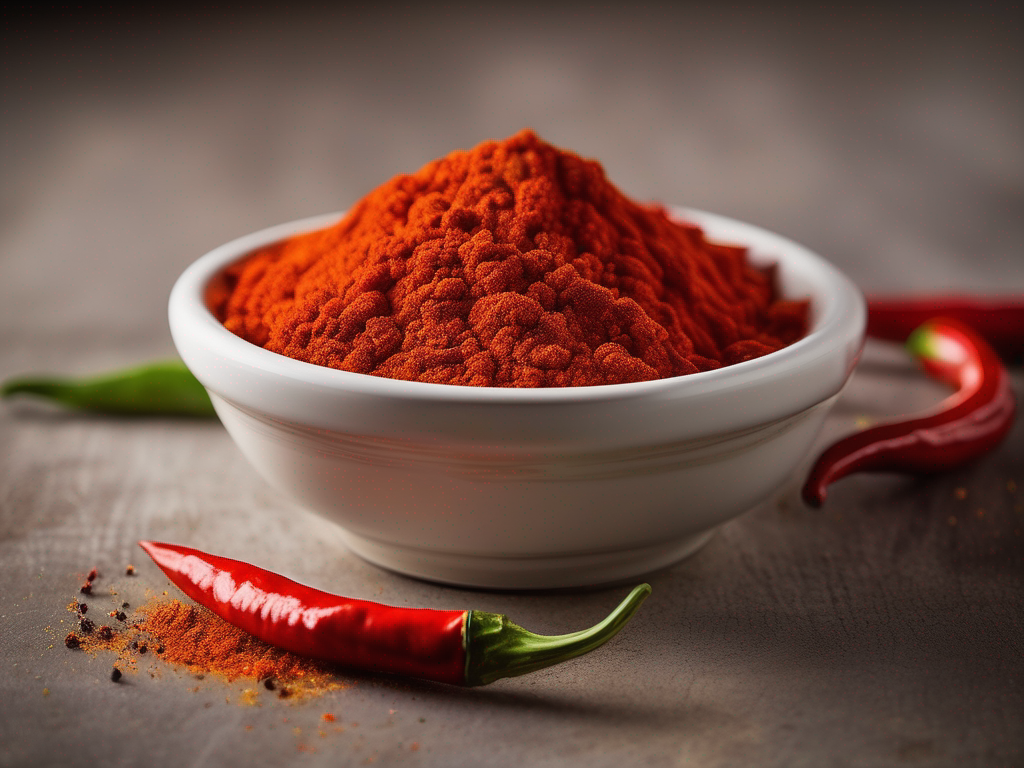
Cayenne pepper is a popular spice known for its fiery heat and vibrant red color. Whether you grow your own cayenne peppers or buy them in bulk, it's essential to know how to properly preserve them for long-term storage. By following the right techniques, you can ensure that your cayenne pepper remains fresh, flavorful, and potent for months to come. (Cayenne pepper)
Understanding Cayenne Pepper
Before delving into the preservation methods, it's important to understand the characteristics of cayenne pepper. Cayenne pepper is a type of chili pepper that belongs to the Capsicum annuum family. It is commonly used in various cuisines to add heat and flavor to dishes. Cayenne pepper is rich in capsaicin, a compound responsible for its spiciness and potential nutritional quality.
Key Characteristics of Cayenne Pepper:
- Fiery heat level
- Vibrant red color
- Rich in capsaicin
- Used in various cuisines
Factors Affecting Cayenne Pepper Storage
Several factors can affect the shelf life and quality of cayenne pepper during storage. Understanding these factors is crucial for determining the best preservation methods.
Factors Affecting Cayenne Pepper Storage:
- Humidity: High humidity can cause cayenne pepper to clump together and lose its potency.
- Light: Exposure to light can degrade the color and flavor of cayenne pepper.
- Temperature: Cayenne pepper should be stored in a cool, dry place to maintain its quality.
- Air: Air exposure can lead to oxidation and loss of flavor in cayenne pepper.
Best Practices for Preserving Cayenne Pepper
To ensure the long-term preservation of cayenne pepper, consider the following best practices and techniques.
1. Storage Containers:
- Use airtight containers such as glass jars or resealable bags to protect cayenne pepper from air and moisture.
- Avoid plastic containers as they may absorb odors and affect the flavor of the spice.
2. Cool and Dark Storage:
- Store cayenne pepper in a cool, dark place away from heat sources and direct sunlight.
- Consider storing the spice in a pantry or cupboard rather than on the countertop.
3. Vacuum Sealing:
- Vacuum sealing is an effective method for preserving the freshness and flavor of cayenne pepper.
- Use a vacuum sealer to remove air from the storage bags before sealing them.
4. Freezing Method:
- For long-term storage, consider freezing cayenne pepper in airtight containers or freezer bags.
- Frozen cayenne pepper can retain its flavor and heat for up to a year.
5. Grinding and Powdering:
- Grind whole cayenne peppers into a fine powder using a spice grinder or blender.
- Powdered cayenne pepper is easier to store and can be used directly in recipes.
Safety Precautions for Cayenne Pepper Storage
While preserving cayenne pepper, it's essential to follow safety precautions to prevent contamination and ensure food safety.
Safety Tips:
- Wash hands thoroughly before handling cayenne pepper to prevent irritation.
- Avoid touching your face or eyes while working with the spice.
- Check for any signs of mold or unusual odors before using stored cayenne pepper.
Conclusion
Preserving cayenne pepper for long-term storage requires proper techniques and precautions to maintain its quality and flavor. By storing cayenne pepper in airtight containers, keeping it in a cool, dark place, and considering freezing or vacuum sealing methods, you can enjoy the fiery heat of this spice in your culinary creations for months to come. Remember to prioritize food safety and hygiene practices throughout the preservation process to ensure the best results. [Learn more about cayenne pepper here](/food/cayenne pepper). (Cayenne pepper)
Authoritative Food Safety References
These agencies and university labs inform every tip and health precaution we publish.
USDA FoodKeeper – Cold Storage Guidelines
Official refrigerator, freezer, and pantry timelines maintained by the U.S. Department of Agriculture.
Visit USDA FoodKeeperFDA Produce Safety Rule & Grower Guidance
Field-to-fridge handling practices that prevent contamination of fruits, vegetables, and leafy greens.
Visit FDA Produce SafetyCDC Foodborne Illness Prevention Hub
Surveillance-backed guidance on pathogens, symptoms, and steps to reduce foodborne illness risk.
Visit CDC Food SafetyUC Davis Postharvest Technology Center
University research detailing optimal storage atmospheres for produce after harvest.
Visit UC Davis PostharvestPenn State Extension – Home Food Preservation & Safety
Peer-reviewed extension bulletins on safe canning, chilling, and reheating practices.
Visit Penn State Extension