Preserving Capers for an Extended Shelf Life
Preserving Capers for an Extended Shelf Life
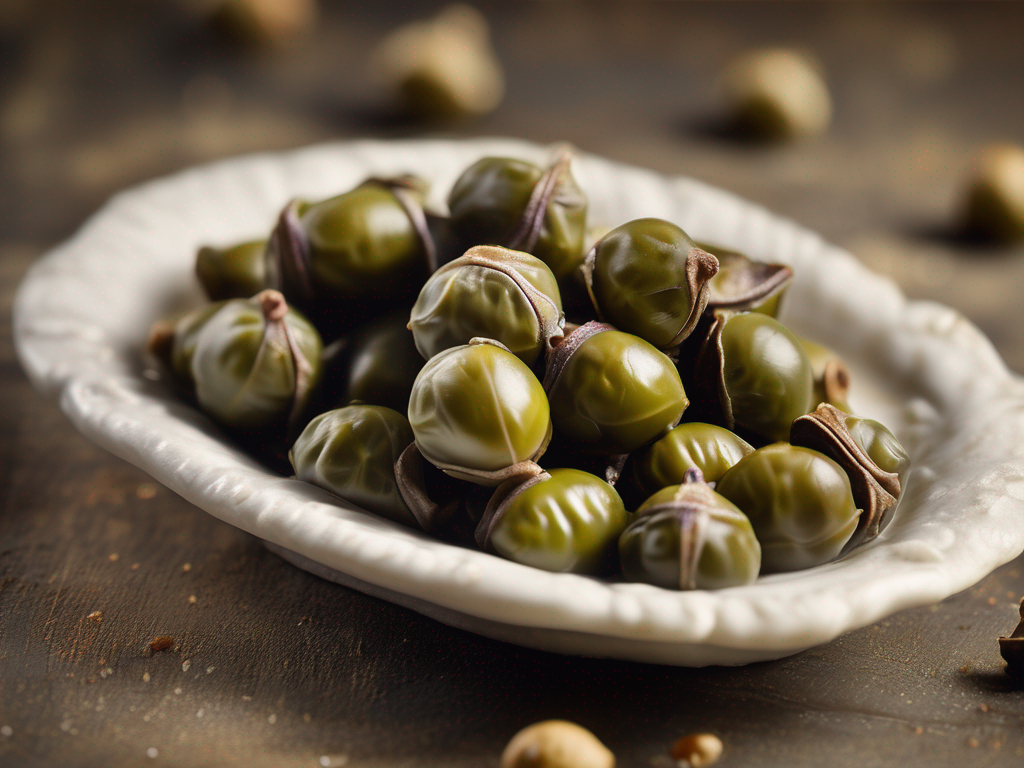
Capers are a versatile ingredient that adds a burst of briny flavor to various dishes, from salads to pasta sauces. These small flower buds are commonly used in Mediterranean cuisine and are known for their distinct tangy taste. To ensure you always have a supply of capers on hand, it's essential to know the best ways to preserve them for an extended shelf life. In this guide, we'll explore various methods for storing capers to maintain their quality and flavor for as long as possible. (Capers)
Why Preserve Capers?
Before diving into the preservation methods, let's understand why it's crucial to store capers properly. Proper storage not only helps maintain the flavor and texture of capers but also prevents spoilage and foodborne illnesses. Here are a few reasons why preserving capers correctly is essential:
- Extended Shelf Life: By storing capers properly, you can extend their shelf life and enjoy them for a more extended period.
- Maintain Flavor: Proper storage methods help preserve the flavor profile of capers, ensuring they retain their unique taste.
- Prevent Spoilage: Improper storage can lead to mold growth, fermentation, or bacterial contamination, rendering capers unsafe to consume.
Now that we understand the importance of preserving capers let's explore the best methods to ensure their longevity.
Dry foods stay fresher when protected from moisture, pests, and air exposure. Using airtight pantry containers (Amazon) helps maintain quality and extend shelf life for pantry staples.
Methods for Preserving Capers
1. Refrigeration
One of the simplest ways to preserve capers is by storing them in the refrigerator. Follow these steps for optimal refrigeration:
Steps for Refrigerating Capers:
- Transfer capers from their original packaging to an airtight container or resealable bag.
- Ensure the capers are fully submerged in their brine or a solution of salt and water.
- Label the container with the date of storage to track freshness.
- Store the capers in the refrigerator at a temperature between 35-40°F (2-4°C).
2. Freezing
Freezing capers is another effective method to prolong their shelf life. Here's how you can freeze capers properly:
Steps for Freezing Capers:
- Drain the capers and spread them out on a baking sheet lined with parchment paper.
- Place the baking sheet in the freezer and allow the capers to freeze individually.
- Once frozen, transfer the capers to a freezer-safe container or bag.
- Label the container with the freezing date and store in the freezer for up to 6 months.
3. Pickling
Pickling capers is a traditional preservation method that enhances their flavor and extends their shelf life. Here's a simple pickling recipe you can try:
Excess humidity can cause dry foods to clump or spoil. Adding food-safe desiccant packs (Amazon) to storage containers helps control moisture levels and extend shelf life.
Homemade Pickled Capers Recipe:
-
Ingredients:
- 1 cup capers
- 1 cup white vinegar
- 1/4 cup sugar
- 1/4 cup water
- 1 tsp salt
- Optional: herbs and spices (such as bay leaves, peppercorns, or garlic cloves)
-
Instructions:
- Rinse the capers under cold water to remove excess salt.
- In a saucepan, combine vinegar, sugar, water, salt, and any desired herbs or spices.
- Bring the mixture to a boil, then reduce heat and simmer for 5 minutes.
- Add the capers to the pickling liquid and cook for an additional 2 minutes.
- Remove from heat and let the capers cool before transferring them to a sterilized jar.
- Seal the jar and store it in the refrigerator for up to 1 month.
4. Vacuum Sealing
Vacuum sealing is a popular method for preserving capers and other foods by removing air from the packaging. Here's how you can vacuum seal capers for long-term storage:
Steps for Vacuum Sealing Capers:
- Place the capers in a vacuum-seal bag or container.
- Use a vacuum sealer to remove the air and seal the bag tightly.
- Label the package with the date and store it in a cool, dark place or the refrigerator.
Conclusion
Preserving capers is essential to maintain their flavor, texture, and quality over time. Whether you choose to refrigerate, freeze, pickle, or vacuum seal your capers, following proper storage methods will ensure they stay fresh for an extended period. Experiment with different preservation techniques to find the method that works best for your culinary needs. By storing capers correctly, you can enjoy their briny goodness in your favorite dishes whenever the craving strikes.
Remember, proper food safety practices are crucial when handling and storing capers to prevent contamination and ensure food quality. Enjoy the tangy goodness of capers by preserving them effectively and savoring their flavor in your culinary creations.
For more information on capers and their culinary uses, visit here. (Capers)
Authoritative Food Safety References
These agencies and university labs inform every tip and health precaution we publish.
USDA FoodKeeper – Cold Storage Guidelines
Official refrigerator, freezer, and pantry timelines maintained by the U.S. Department of Agriculture.
Visit USDA FoodKeeperFDA Produce Safety Rule & Grower Guidance
Field-to-fridge handling practices that prevent contamination of fruits, vegetables, and leafy greens.
Visit FDA Produce SafetyCDC Foodborne Illness Prevention Hub
Surveillance-backed guidance on pathogens, symptoms, and steps to reduce foodborne illness risk.
Visit CDC Food SafetyUC Davis Postharvest Technology Center
University research detailing optimal storage atmospheres for produce after harvest.
Visit UC Davis PostharvestPenn State Extension – Home Food Preservation & Safety
Peer-reviewed extension bulletins on safe canning, chilling, and reheating practices.
Visit Penn State ExtensionDisclosure: As an Amazon Associate, we earn from qualifying purchases. This helps support our site and allows us to continue providing free food safety information.