Signs that Napa Cabbage has Gone Bad
Signs that Napa Cabbage has Gone Bad
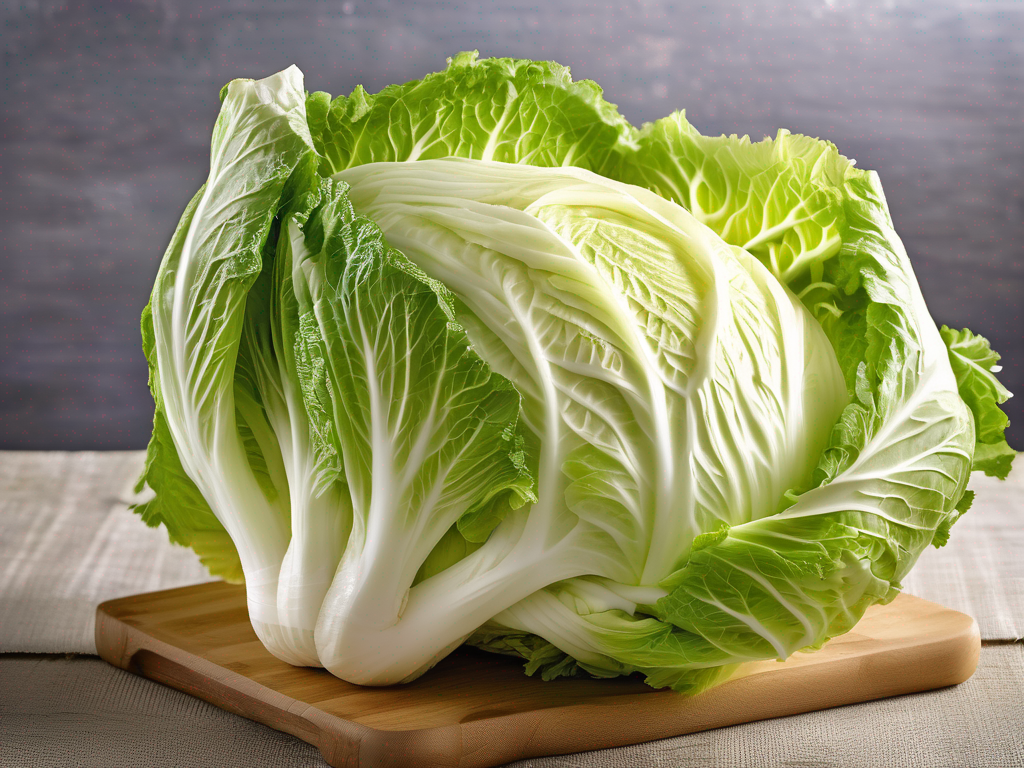
Napa cabbage, also known as Chinese cabbage, is a versatile and nutritious vegetable commonly used in Asian cuisine. Like any fresh produce, napa cabbage can spoil if not stored properly. In this blog post, we will discuss the signs that indicate napa cabbage has gone bad and provide tips on how to identify and prevent spoilage. (Napa cabbage)
Understanding Napa Cabbage
Before we delve into the signs of spoilage, let's first understand what napa cabbage is and how to properly store it. Napa cabbage is a leafy vegetable with tightly packed, elongated leaves that are pale green in color. It has a mild flavor and is commonly used in stir-fries, salads, and kimchi.
Proper Storage of Napa Cabbage
To extend the shelf life of napa cabbage and maintain its freshness, follow these storage tips:
Proper airflow and humidity control can significantly extend produce freshness. Many households use produce storage containers (Amazon) in the refrigerator to regulate moisture and slow spoilage.
- Store napa cabbage in the crisper drawer of the refrigerator.
- Wrap the cabbage in a damp paper towel or plastic wrap to retain moisture.
- Avoid washing the cabbage before storing it, as excess moisture can cause it to spoil faster.
- Use the cabbage within a week for the best flavor and texture.
Now that we know how to store napa cabbage properly, let's move on to the signs of spoilage to watch out for.
Signs that Napa Cabbage has Gone Bad
-
Discoloration:
- Look for any changes in color, such as dark spots, browning, or yellowing of the leaves. Discoloration is a common indicator that the cabbage is past its prime.
-
Mold or Mildew:
💡Keeping produce organized can improve air circulation and cooling. refrigerator organizer bins (Amazon) help reduce overcrowding and maintain consistent refrigerator temperatures.
- Check for any fuzzy patches or slimy residue on the surface of the cabbage. Mold or mildew growth indicates that the cabbage has spoiled and should be discarded.
-
Slimy Texture:
- Gently feel the leaves of the cabbage. If they feel slimy or slippery to the touch, it is a sign that the cabbage is no longer fresh and should not be consumed.
-
Foul Smell:
- A strong, unpleasant odor coming from the cabbage is a clear sign of spoilage. Fresh napa cabbage should have a mild, slightly sweet aroma.
-
Wilting:
- If the leaves of the cabbage appear wilted or limp, it is a sign that the cabbage is no longer fresh. Fresh napa cabbage should have crisp, firm leaves.
Tips for Preventing Spoilage
To prevent napa cabbage from spoiling prematurely, follow these tips:
- Inspect the cabbage before purchasing and choose heads that are firm and free of blemishes.
- Store napa cabbage away from ethylene-producing fruits and vegetables, as ethylene can speed up the ripening process.
- Use a sharp knife to cut the cabbage instead of tearing or ripping the leaves, which can cause bruising and accelerate spoilage.
- Cook or consume napa cabbage as soon as possible after purchase to enjoy it at its peak freshness.
By following these guidelines, you can ensure that your napa cabbage stays fresh and delicious for longer.
Conclusion
In conclusion, napa cabbage is a nutritious and delicious vegetable that can enhance a variety of dishes. By knowing the signs of spoilage and how to properly store napa cabbage, you can enjoy this versatile vegetable while ensuring food safety and minimizing food waste. Remember to inspect your napa cabbage regularly, use it promptly, and discard any cabbage that shows signs of spoilage to protect your health and well-being. (Napa cabbage)
Authoritative Food Safety References
These agencies and university labs inform every tip and health precaution we publish.
USDA FoodKeeper – Cold Storage Guidelines
Official refrigerator, freezer, and pantry timelines maintained by the U.S. Department of Agriculture.
Visit USDA FoodKeeperFDA Produce Safety Rule & Grower Guidance
Field-to-fridge handling practices that prevent contamination of fruits, vegetables, and leafy greens.
Visit FDA Produce SafetyCDC Foodborne Illness Prevention Hub
Surveillance-backed guidance on pathogens, symptoms, and steps to reduce foodborne illness risk.
Visit CDC Food SafetyUC Davis Postharvest Technology Center
University research detailing optimal storage atmospheres for produce after harvest.
Visit UC Davis PostharvestPenn State Extension – Home Food Preservation & Safety
Peer-reviewed extension bulletins on safe canning, chilling, and reheating practices.
Visit Penn State ExtensionDisclosure: As an Amazon Associate, we earn from qualifying purchases. This helps support our site and allows us to continue providing free food safety information.