Signs that Chinese Cabbage has Gone Bad
Signs that Chinese Cabbage has Gone Bad
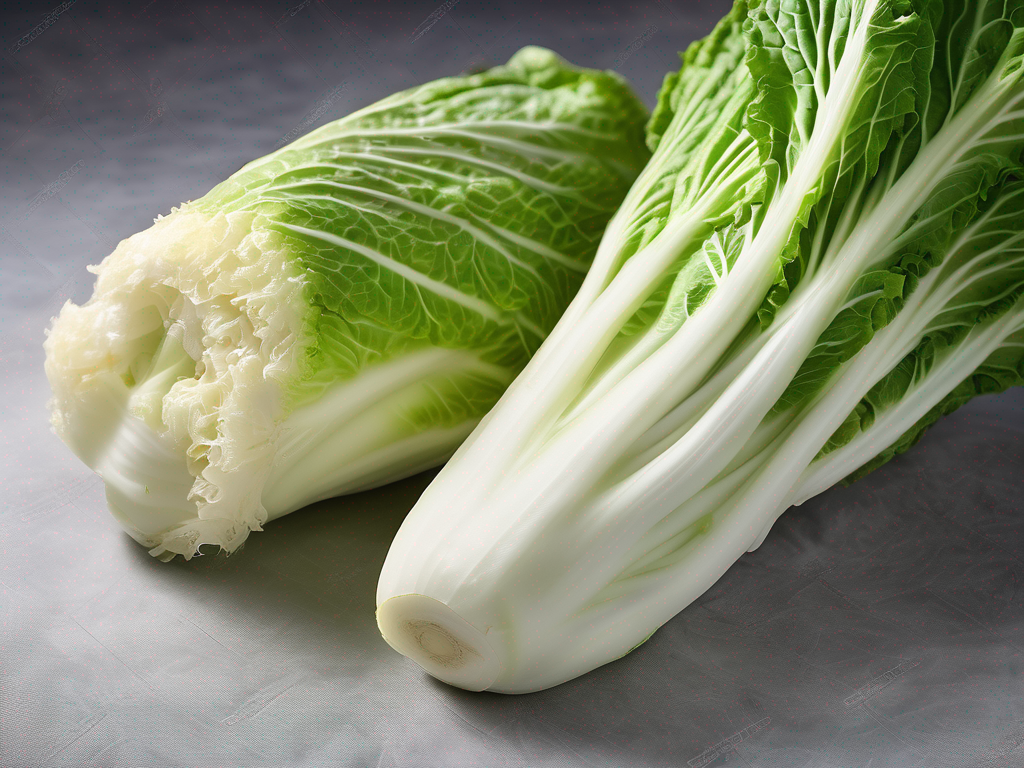
Chinese cabbage, also known as Napa cabbage, is a versatile and nutritious vegetable commonly used in Asian cuisine. However, like all fresh produce, Chinese cabbage can spoil if not stored properly. In this blog post, we will explore the signs that Chinese cabbage has gone bad and provide you with practical tips on how to ensure the freshness and safety of your Chinese cabbage. (Chinese cabbage)
Understanding Chinese Cabbage
Chinese cabbage is a leafy green vegetable with a mild, slightly sweet flavor. It is rich in vitamins A, C, and K, as well as fiber and antioxidants, making it a healthy addition to any diet. Chinese cabbage is commonly used in stir-fries, salads, and soups, and can be enjoyed both raw and cooked.
When buying Chinese cabbage, look for heads that are firm, with crisp, tightly packed leaves. Avoid cabbage with wilting, yellowing, or slimy leaves, as these are signs that the cabbage is starting to spoil.
Proper airflow and humidity control can significantly extend produce freshness. Many households use produce storage containers (Amazon) in the refrigerator to regulate moisture and slow spoilage.
Signs that Chinese Cabbage has Gone Bad
Visual Changes
- Discoloration: If you notice brown or black spots on the leaves of Chinese cabbage, it is a sign that the cabbage is no longer fresh.
- Slimy Texture: Touch the leaves of the cabbage - if they feel slimy or slippery, it indicates spoilage.
- Mold: Visible mold growth on the surface of the cabbage is a clear indication that it has gone bad.
Smell
- Foul Odor: Spoiled Chinese cabbage will emit a sour, rotten smell. If you detect an unpleasant odor when you are near the cabbage, it is best to discard it.
Texture
- Wilting: Chinese cabbage that is starting to spoil will become limp and wilted. Fresh cabbage should be crisp and firm to the touch.
How to Store Chinese Cabbage Properly
To prolong the shelf life of Chinese cabbage and maintain its freshness, follow these storage tips:
- Refrigerate: Store Chinese cabbage in the crisper drawer of your refrigerator. Keep it in a perforated plastic bag to maintain humidity levels.
- Avoid Moisture: Moisture can cause Chinese cabbage to spoil quickly. Make sure the cabbage is dry before storing it in the refrigerator.
- Wrap in Paper Towels: To absorb excess moisture, wrap the cabbage in paper towels before placing it in the refrigerator.
- Use airtight containers: If you have already cut the cabbage, store it in an airtight container to prevent it from drying out.
- Avoid Freezing: While Chinese cabbage can be frozen, it will change in texture and may not be suitable for raw preparations. It is best to consume fresh Chinese cabbage for the best flavor and texture.
Conclusion
In conclusion, Chinese cabbage is a nutritious and delicious vegetable that can enhance a variety of dishes. By being aware of the signs of spoilage and following proper storage practices, you can enjoy fresh Chinese cabbage for longer periods. Remember to inspect your cabbage for visual changes, smell for any foul odors, and check the texture for signs of wilting. When in doubt, it is always best to err on the side of caution and discard any Chinese cabbage that shows signs of spoilage. By taking these precautions, you can ensure that your Chinese cabbage remains safe and enjoyable to eat. (Chinese cabbage)
Authoritative Food Safety References
These agencies and university labs inform every tip and health precaution we publish.
USDA FoodKeeper – Cold Storage Guidelines
Official refrigerator, freezer, and pantry timelines maintained by the U.S. Department of Agriculture.
Visit USDA FoodKeeperFDA Produce Safety Rule & Grower Guidance
Field-to-fridge handling practices that prevent contamination of fruits, vegetables, and leafy greens.
Visit FDA Produce SafetyCDC Foodborne Illness Prevention Hub
Surveillance-backed guidance on pathogens, symptoms, and steps to reduce foodborne illness risk.
Visit CDC Food SafetyUC Davis Postharvest Technology Center
University research detailing optimal storage atmospheres for produce after harvest.
Visit UC Davis PostharvestPenn State Extension – Home Food Preservation & Safety
Peer-reviewed extension bulletins on safe canning, chilling, and reheating practices.
Visit Penn State ExtensionDisclosure: As an Amazon Associate, we earn from qualifying purchases. This helps support our site and allows us to continue providing free food safety information.