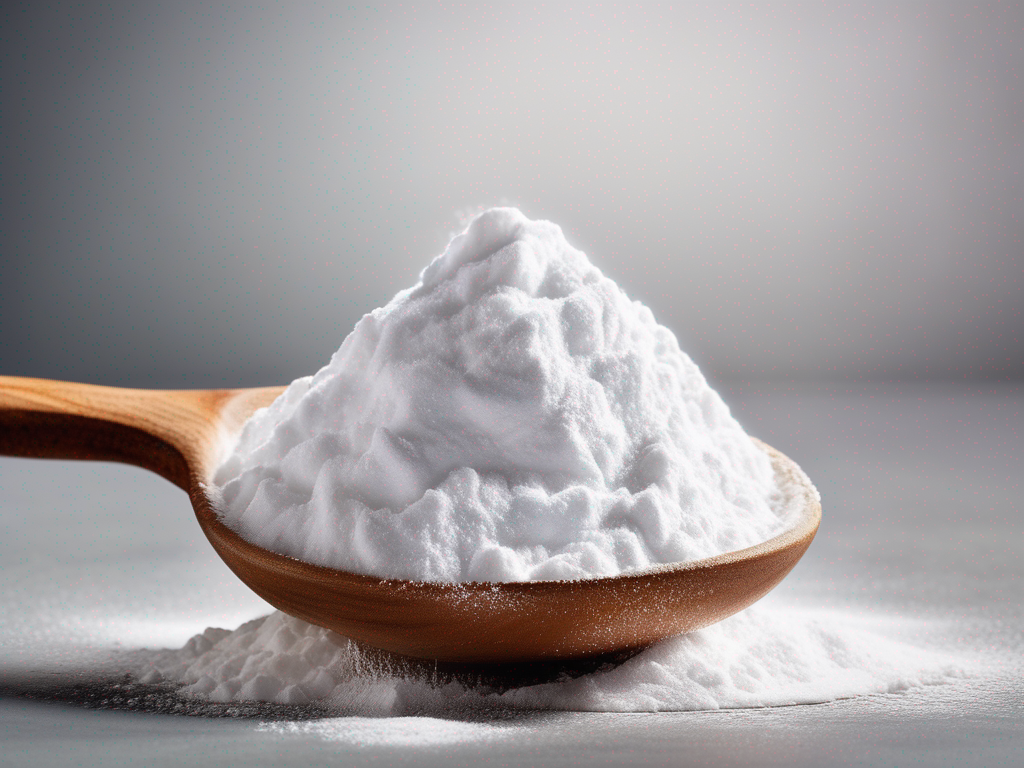
Signs that Baking Soda Has Gone Bad
Signs that Baking Soda Has Gone Bad
Baking soda is a versatile ingredient that is used in various recipes, from baking cakes to cleaning kitchen surfaces. However, like many other pantry staples, baking soda can lose its effectiveness over time. In this blog post, we will discuss the signs that indicate your baking soda has gone bad, as well as how to properly store it to maintain its quality. (Baking soda)
Understanding Baking Soda
Before delving into the signs of bad baking soda, let's first understand what baking soda is. Baking soda, also known as sodium bicarbonate, is a chemical compound that reacts with acidic ingredients to produce carbon dioxide gas. This reaction helps baked goods rise and become light and fluffy.
Baking soda is a staple in most kitchens due to its versatility and affordability. It is commonly used in baking, cooking, cleaning, and even as a natural deodorizer.
Signs of Bad Baking Soda
Here are some signs that your baking soda may have gone bad:
1. Clumping
- Description: Good baking soda is free-flowing and powdery. If you notice that your baking soda has hardened and formed clumps, it may have absorbed moisture from the air.
- Impact: Clumped baking soda may not react properly in recipes, leading to dense or flat baked goods.
2. Loss of Fizz
- Description: When baking soda is fresh, it produces a noticeable fizz when mixed with vinegar or lemon juice. If your baking soda fails to fizz when tested, it may have lost its potency.
- Impact: Baking soda that has lost its fizz may not effectively leaven baked goods, resulting in a dense texture.
3. Change in Color or Texture
- Description: Fresh baking soda is bright white and powdery. If you observe any discoloration or detect a gritty texture, it could indicate that the baking soda has degraded.
- Impact: Discolored or gritty baking soda may alter the taste and appearance of your baked goods.
4. Expired Shelf Life
- Description: Baking soda has a long shelf life, but it does not last indefinitely. Check the expiration date on the packaging to determine if your baking soda is still good.
- Impact: Using expired baking soda may lead to baking failures and unpleasant flavors in your dishes.
Proper Storage Tips for Baking Soda
To ensure that your baking soda remains fresh and effective, follow these storage tips:
1. Keep it Sealed
- Store baking soda in an airtight container to prevent moisture absorption and keep it dry.
2. Avoid Heat and Humidity
- Keep baking soda away from heat sources and humidity, as these conditions can cause it to degrade faster.
3. Store in a Cool, Dry Place
- Choose a cool, dry location in your pantry or kitchen cabinet to store your baking soda.
4. Do not Contaminate
- Use a dry measuring spoon when scooping out baking soda to prevent contamination and moisture exposure.
Conclusion
In conclusion, it's important to pay attention to the signs that indicate your baking soda has gone bad to ensure the success of your baked goods and other culinary endeavors. By following proper storage practices and being mindful of the quality of your baking soda, you can enjoy the full benefits of this versatile ingredient in your kitchen.
For more information on baking soda, check out our [baking soda guide](/food/baking soda) for tips, recipes, and safety precautions. Remember, a little care in storing your baking soda can go a long way in maintaining its freshness and effectiveness. (Baking soda)
Authoritative Food Safety References
These agencies and university labs inform every tip and health precaution we publish.
USDA FoodKeeper – Cold Storage Guidelines
Official refrigerator, freezer, and pantry timelines maintained by the U.S. Department of Agriculture.
Visit USDA FoodKeeperFDA Produce Safety Rule & Grower Guidance
Field-to-fridge handling practices that prevent contamination of fruits, vegetables, and leafy greens.
Visit FDA Produce SafetyCDC Foodborne Illness Prevention Hub
Surveillance-backed guidance on pathogens, symptoms, and steps to reduce foodborne illness risk.
Visit CDC Food SafetyUC Davis Postharvest Technology Center
University research detailing optimal storage atmospheres for produce after harvest.
Visit UC Davis PostharvestPenn State Extension – Home Food Preservation & Safety
Peer-reviewed extension bulletins on safe canning, chilling, and reheating practices.
Visit Penn State Extension