The Best Ways to Store Dijon Mustard for Maximum Freshness
The Best Ways to Store Dijon Mustard for Maximum Freshness
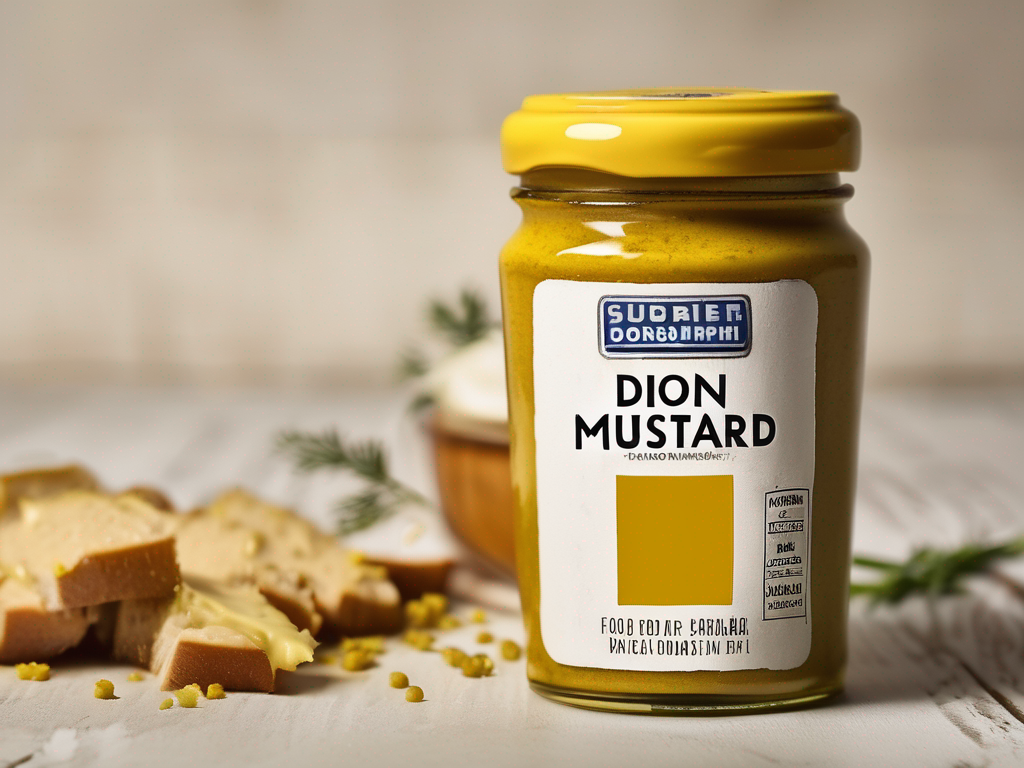
Dijon mustard is a flavorful condiment that adds a tangy kick to a variety of dishes. Whether you use it for salad dressings, marinades, or sandwich spreads, proper storage is key to maintaining its freshness and flavor. In this blog post, we will explore the best ways to store Dijon mustard to ensure it stays delicious for as long as possible. (Dijon mustard)
Understanding Dijon Mustard
Dijon mustard is a type of mustard that originated in the city of Dijon, France. It is known for its smooth texture and bold flavor, which comes from the use of white wine in its preparation. Dijon mustard is versatile and can be used in both cooking and as a condiment.
Key Points about Dijon Mustard:
- Contains white wine for flavor
- Smooth texture
- Versatile in cooking
Factors Affecting Dijon Mustard's Shelf Life
Before delving into the best storage practices for Dijon mustard, it's essential to understand the factors that can affect its shelf life. By being aware of these factors, you can take steps to prolong the freshness of your Dijon mustard.
Factors to Consider:
- Ingredients: Check the label for any preservatives or additives that may impact shelf life.
- Exposure to Air: Oxygen can cause oxidation and affect the mustard's flavor.
- Temperature: Mustard should be stored in a cool, dark place to prevent spoilage.
- Contamination: Always use clean utensils to avoid introducing bacteria into the jar.
Best Practices for Storing Dijon Mustard
Proper storage is essential to maintain the quality of Dijon mustard. By following these best practices, you can ensure that your mustard stays fresh and flavorful for longer.
Storage Tips:
- Refrigeration: Store Dijon mustard in the refrigerator after opening to extend its shelf life.
- Seal Properly: Ensure the jar is tightly sealed after each use to prevent air exposure.
- Avoid Direct Sunlight: Keep the mustard away from sunlight, as UV rays can degrade the product.
- Use Clean Utensils: Always use clean, dry utensils when scooping out mustard to prevent contamination.
- Check Expiry Date: Keep track of the expiration date and use the mustard before it goes bad.
Innovative Storage Solutions for Dijon Mustard
In addition to following traditional storage methods, there are some innovative solutions you can explore to keep your Dijon mustard fresh and flavorful.
Innovative Ideas:
- Vacuum Sealing: Use a vacuum sealer to remove excess air from the jar and prolong the mustard's shelf life.
- Refrigerator Door Storage: Store the mustard in the refrigerator door where it is easily accessible but still protected from light and temperature fluctuations.
Conclusion
Proper storage is crucial for maintaining the freshness and flavor of Dijon mustard. By following the tips outlined in this blog post, you can ensure that your mustard stays delicious for longer periods. Remember to refrigerate the mustard, seal the jar tightly, and avoid exposure to sunlight and contaminants. By taking these simple steps, you can enjoy the tangy goodness of Dijon mustard in your dishes for months to come.
For more information on Dijon mustard and other food storage tips, visit here. (Dijon mustard)
Authoritative Food Safety References
These agencies and university labs inform every tip and health precaution we publish.
USDA FoodKeeper – Cold Storage Guidelines
Official refrigerator, freezer, and pantry timelines maintained by the U.S. Department of Agriculture.
Visit USDA FoodKeeperFDA Produce Safety Rule & Grower Guidance
Field-to-fridge handling practices that prevent contamination of fruits, vegetables, and leafy greens.
Visit FDA Produce SafetyCDC Foodborne Illness Prevention Hub
Surveillance-backed guidance on pathogens, symptoms, and steps to reduce foodborne illness risk.
Visit CDC Food SafetyUC Davis Postharvest Technology Center
University research detailing optimal storage atmospheres for produce after harvest.
Visit UC Davis PostharvestPenn State Extension – Home Food Preservation & Safety
Peer-reviewed extension bulletins on safe canning, chilling, and reheating practices.
Visit Penn State Extension