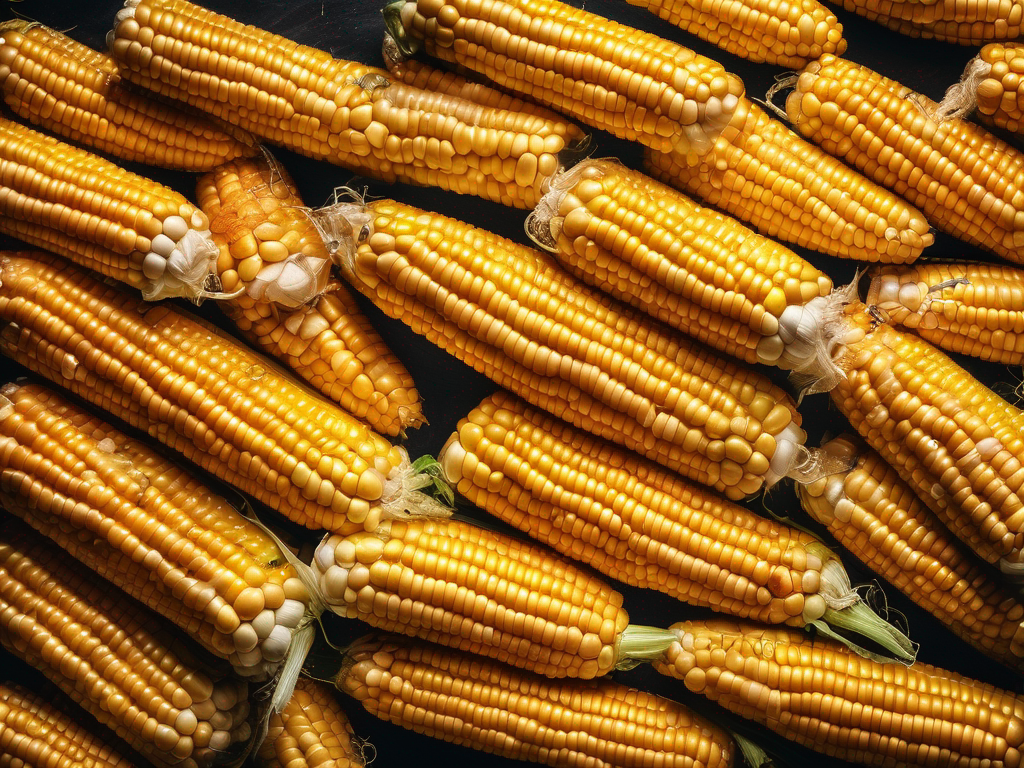
How to Store Corn to Keep it Fresh
How to Store Corn to Keep it Fresh
Corn is a versatile and delicious vegetable that can be enjoyed in many different ways, from grilling to boiling to incorporating into salads and soups. To ensure that your corn stays fresh for as long as possible, proper storage is key. In this blog post, we will explore the best ways to store corn to keep it fresh for longer periods of time. (Corn)
Understanding the basics of corn storage
Before diving into specific storage methods, it's important to understand the basics of corn storage to maximize freshness and flavor. Here are some key points to keep in mind:
Freshness matters
- Corn starts to lose its sweetness and flavor as soon as it is harvested.
- The sooner you eat corn after it is picked, the better it will taste.
- Opt for fresh corn whenever possible for the best flavor and nutritional value.
Keep it cool
- Corn is sensitive to heat and humidity, which can cause it to spoil quickly.
- Store corn in a cool, dry place to help maintain its freshness for longer.
Avoid exposure to air
- Exposure to air can dry out corn kernels and cause them to lose their moisture.
- Use airtight containers or bags to store corn and prevent it from drying out.
Don't shuck until ready to use
- Corn husks help protect the kernels from drying out and losing flavor.
- It's best to leave the husks on until you are ready to cook or eat the corn.
Best ways to store corn
Now that we understand the basics of corn storage, let's explore the best ways to store corn to keep it fresh:
Proper airflow and humidity control can significantly extend produce freshness. Many households use produce storage containers (Amazon) in the refrigerator to regulate moisture and slow spoilage.
Refrigeration
Refrigeration is one of the most effective ways to store corn and extend its shelf life. Here's how to store corn in the refrigerator:
-
Keep it in the husk: Store unshucked corn in the vegetable crisper drawer of your refrigerator. The husk will help protect the kernels and maintain their freshness.
-
Use a plastic bag: Place the corn in a plastic bag before storing it in the refrigerator. This will help prevent the corn from drying out and absorbing odors from other foods.
-
Avoid washing: Do not wash the corn before storing it in the refrigerator. Moisture can promote mold growth and spoilage.
Freezing
Freezing is another great option for storing corn for longer periods of time. Here's how to freeze corn:
-
Blanching: Start by blanching the corn in boiling water for a few minutes, then immediately transfer it to an ice bath to stop the cooking process.
-
Cutting: Cut the corn kernels off the cob using a sharp knife.
-
Packaging: Place the corn kernels in airtight containers or freezer bags, removing as much air as possible before sealing.
-
Labeling: Don't forget to label the containers or bags with the date so you can keep track of how long the corn has been frozen.
Canning
Canning is a traditional method of preserving corn that can help extend its shelf life. Here's how to can corn:
-
Prepare the corn: Remove the husks and silk from the corn, then cut the kernels off the cob.
-
Sterilize jars: Sterilize canning jars and lids in boiling water to prevent contamination.
-
Fill the jars: Pack the corn kernels into the jars, leaving some headspace at the top.
-
Processing: Process the jars in a pressure canner according to the recommended processing times for corn.
-
Cooling: Allow the jars to cool before storing them in a cool, dark place.
Conclusion
By following these storage methods, you can enjoy fresh corn for longer periods of time and reduce food waste. Whether you choose to refrigerate, freeze, or can your corn, proper storage techniques will help maintain its flavor and quality. Experiment with different storage methods to find the one that works best for you and enjoy the delicious taste of fresh corn all year round. Corn (Corn)
Authoritative Food Safety References
These agencies and university labs inform every tip and health precaution we publish.
USDA FoodKeeper – Cold Storage Guidelines
Official refrigerator, freezer, and pantry timelines maintained by the U.S. Department of Agriculture.
Visit USDA FoodKeeperFDA Produce Safety Rule & Grower Guidance
Field-to-fridge handling practices that prevent contamination of fruits, vegetables, and leafy greens.
Visit FDA Produce SafetyCDC Foodborne Illness Prevention Hub
Surveillance-backed guidance on pathogens, symptoms, and steps to reduce foodborne illness risk.
Visit CDC Food SafetyUC Davis Postharvest Technology Center
University research detailing optimal storage atmospheres for produce after harvest.
Visit UC Davis PostharvestPenn State Extension – Home Food Preservation & Safety
Peer-reviewed extension bulletins on safe canning, chilling, and reheating practices.
Visit Penn State ExtensionDisclosure: As an Amazon Associate, we earn from qualifying purchases. This helps support our site and allows us to continue providing free food safety information.