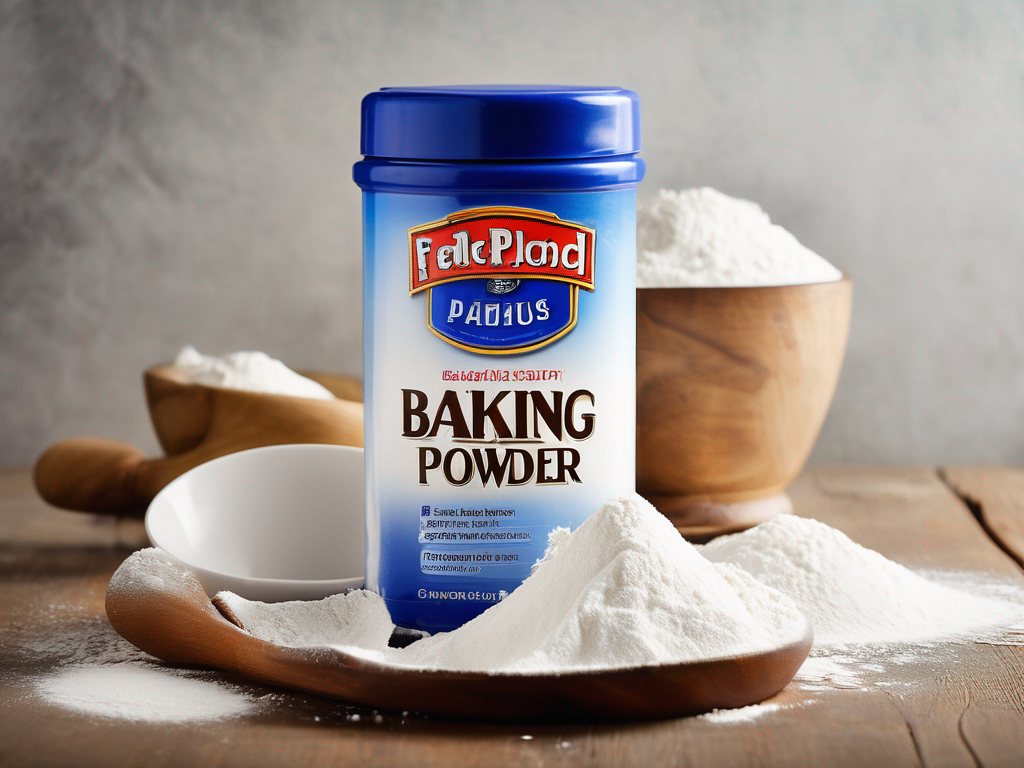
The Best Ways to Store Baking Powder for Maximum Freshness
The Best Ways to Store Baking Powder for Maximum Freshness
Baking powder is a staple ingredient in many kitchens, essential for making baked goods rise and achieve that light, fluffy texture we all love. To ensure your baking powder stays fresh and potent for as long as possible, proper storage is crucial. In this comprehensive guide, we will explore the best ways to store baking powder to maintain its freshness and effectiveness. (Baking powder)
Understanding Baking Powder
Before diving into storage tips, let's first understand what baking powder is and why proper storage is essential. Baking powder is a leavening agent that typically consists of an acid, a base, and a filler. When mixed with liquid and exposed to heat, baking powder releases carbon dioxide gas, causing dough or batter to rise.
[baking powder](/food/baking powder)
Improper storage can lead to moisture absorption, which can cause the ingredients in baking powder to react prematurely or lose their potency. This can can increase the likelihood of baked goods that do not rise properly, leading to disappointing outcomes in the kitchen.
Optimal Storage Conditions
To maximize the shelf life and effectiveness of your baking powder, follow these storage guidelines:
1. Keep It Cool and Dry
- Store baking powder in a cool, dry place away from heat sources such as the stove, oven, or direct sunlight.
- Avoid storing baking powder near sources of moisture, such as the sink or dishwasher, as moisture can cause the powder to clump and lose its effectiveness.
2. Use Airtight Containers
- Transfer baking powder to an airtight container, such as a glass jar or a plastic container with a tight-sealing lid.
- Ensure the container is clean and dry before transferring the baking powder to prevent contamination.
3. Avoid Humid Environments
- Humidity can cause baking powder to clump and deteriorate. Avoid storing baking powder in humid environments like the pantry or near the refrigerator.
4. Label and Date
- To keep track of the freshness of your baking powder, label the container with the purchase date or the date you opened it.
- Check the expiration date on the original packaging and transfer this information to the storage container.
Additional Tips for Storing Baking Powder
In addition to the basic storage guidelines, here are some extra tips to ensure your baking powder stays fresh:
1. Test for Freshness
- To check if your baking powder is still potent, perform a simple freshness test before using it. Mix a small amount of baking powder with hot water – if it bubbles vigorously, it's still fresh.
2. Avoid Contamination
- Ensure that utensils used to scoop out baking powder are clean and dry to prevent contamination.
- Keep the container tightly sealed when not in use to prevent exposure to air and moisture.
3. Purchase in Small Quantities
- If you don't bake frequently, consider purchasing baking powder in smaller quantities to ensure you use it before it loses its potency.
4. Store Away from Strong Odors
- Baking powder can absorb strong odors from nearby foods. Store it away from pungent items like onions and garlic to maintain its flavor neutrality.
Conclusion
Proper storage is key to maintaining the freshness and effectiveness of your baking powder. By following these storage tips, you can ensure that your baking powder remains potent and ready to help your baked goods rise to perfection. Remember to keep it cool, dry, and sealed in an airtight container, and check for freshness before use. Happy baking! (Baking powder)
Authoritative Food Safety References
These agencies and university labs inform every tip and health precaution we publish.
USDA FoodKeeper – Cold Storage Guidelines
Official refrigerator, freezer, and pantry timelines maintained by the U.S. Department of Agriculture.
Visit USDA FoodKeeperFDA Produce Safety Rule & Grower Guidance
Field-to-fridge handling practices that prevent contamination of fruits, vegetables, and leafy greens.
Visit FDA Produce SafetyCDC Foodborne Illness Prevention Hub
Surveillance-backed guidance on pathogens, symptoms, and steps to reduce foodborne illness risk.
Visit CDC Food SafetyUC Davis Postharvest Technology Center
University research detailing optimal storage atmospheres for produce after harvest.
Visit UC Davis PostharvestPenn State Extension – Home Food Preservation & Safety
Peer-reviewed extension bulletins on safe canning, chilling, and reheating practices.
Visit Penn State Extension