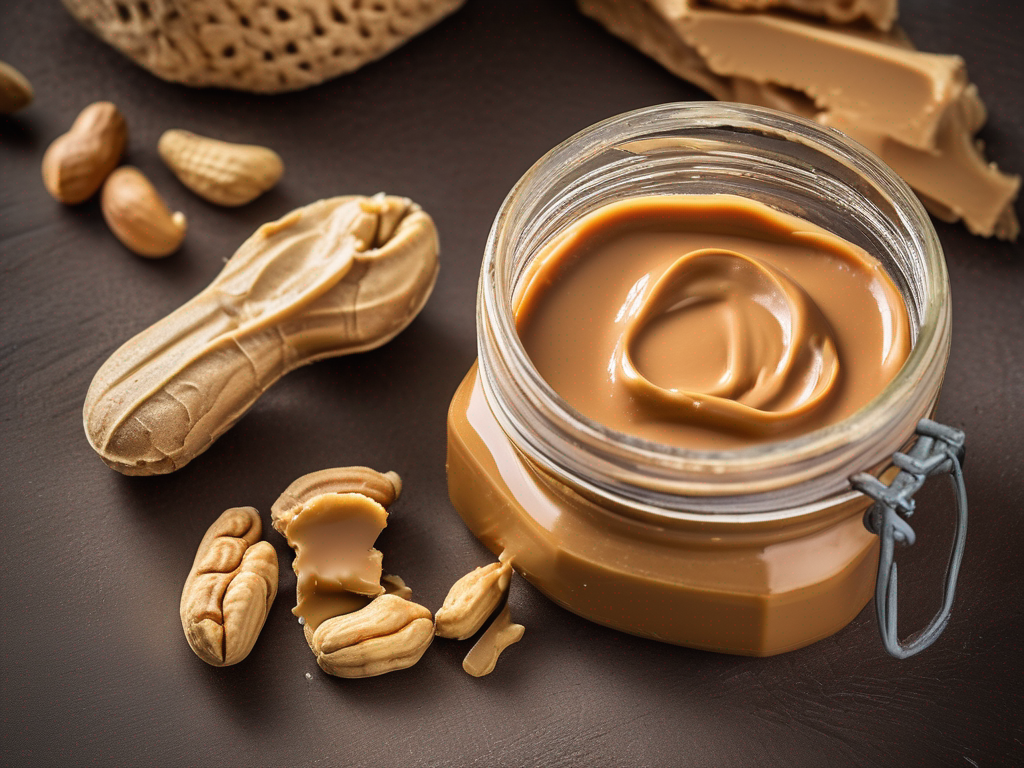
The Truth About Unopened Peanut Butter Past Expiration Date
CanIEatExpired.com Team
# The Truth About Unopened Peanut Butter Past Expiration Date

When you find an old jar of peanut butter at the back of your pantry, you may wonder if it's safe to eat. Expiration dates can be a source of confusion, especially when it comes to unopened products like peanut butter. In this blog post, we will explore the safety of unopened peanut butter past its expiration date and provide you with practical tips for ensuring food safety. ([Peanut butter](https://canieatexpired.com/food/peanut-butter))

## Understanding Expiration Dates on Peanut Butter

Peanut butter typically has a long shelf life, thanks to its high oil and low water content, which discourages bacterial growth. However, manufacturers still provide expiration dates as a guideline for optimal quality. Here's what those dates typically mean:

### Best By Date

- The "best by" date on peanut butter indicates the period during which the product is expected to be at its peak quality in terms of flavor and texture.
- Consuming peanut butter after this date doesn't necessarily mean it's unsafe, but the quality may have deteriorated.

### Use By Date

- The "use by" date is a stricter guideline that suggests the last date recommended for the use of the product while it's at its peak quality.
- Consuming peanut butter after this date may pose a higher risk of quality deterioration.

## Is Unopened Peanut Butter Safe to Eat Past the Expiration Date?

Unopened peanut butter is usually safe to consume past the expiration date if it has been stored properly. Here are some key points to consider:

### Storage Conditions

- Store unopened peanut butter in a cool, dry place away from direct sunlight to maintain its quality.
- Avoid exposing the jar to moisture, which can lead to spoilage.

### Jar Integrity

- Check the jar for any signs of damage, such as dents, leaks, or bulging lids, which may indicate spoilage.
- If the jar appears intact and the peanut butter looks and smells normal, it's likely safe to eat.

### Sensory Evaluation

- Before consuming unopened peanut butter past the expiration date, perform a sensory evaluation.
- Check for any unusual odors, mold growth, or changes in texture that may indicate spoilage.

## common situation

Let’s look at some relatable common situation.

### situation 1: The Busy Mom

Common situations include mom, Jane, who frequently juggles her work and family life. One day, she finds a jar of unopened peanut butter in the back of her pantry that hasn’t been touched in over a year. Instead of tossing it out immediately, she recalls that peanut butter can last a long time. After checking the jar for any dents or bulges, she opens it and gives it a sniff. Everything seems fine, and she decides to use it for her kids’ favorite peanut butter sandwiches. This saves her a trip to the store and helps her avoid food waste.

### situation 2: The College Student

Then there's Mike, a college student who just moved into a new apartment. While unpacking boxes, he discovers a jar of peanut butter left behind by the previous tenants. He’s unsure if it’s still good since it’s well past the expiration date. Rather than risk it, Mike does a quick check and finds no visible signs of spoilage. After looking online, he feels more confident about trying it out and makes a delicious peanut butter smoothie.

### situation 3: The Health-Conscious Individual

Lastly, consider Sarah, who prides herself on her healthy eating habits. She recently bought a jar of natural peanut butter, but with her busy work schedule, she hasn’t finished it before the expiration date. Knowing that natural peanut butter is often made without preservatives, she worries but decides to do some research. After reading that unopened jars can last a bit longer, she performs a sensory check, finds no issues, and incorporates the peanut butter into her morning oatmeal, adding healthy fats to her diet.

## Tips for Ensuring Food Safety with Unopened Peanut Butter

To ensure the safety of unopened peanut butter past the expiration date, follow these practical tips:

1. **Check the Seal**: Ensure the jar is tightly sealed before opening to prevent contamination.
2. **Use Clean Utensils**: Always use clean utensils to scoop out peanut butter to prevent introducing bacteria.
3. **Refrigeration**: While not necessary for unopened jars, refrigerating peanut butter can extend its shelf life.
4. **Rotate Stock**: Practice FIFO (first in, first out) to use older jars before newer ones to maintain freshness.
5. **Portion Control**: If you're unsure about the quality but still want to use it, consider pouring a small amount into a bowl rather than digging directly into the jar. This keeps the rest of the jar uncontaminated in case it turns out the batch isn’t good.

## Common Mistakes

Many people mistakenly think that any food past its expiration date is unsafe to eat. This isn’t true, especially for products with a long shelf life like peanut butter. Another common error is not storing peanut butter properly. Many folks leave it in warm, humid areas like near the stove or sink, leading to potential spoilage.

Additionally, discarding peanut butter immediately upon seeing a date is a missed opportunity for saving money and reducing waste. Trust your senses and judgment rather than relying solely on dates.

## Expert Insights

Food safety experts recommend that consumers engage in regular pantry checks to ensure food items, including peanut butter, are being used before they potentially spoil. They also advise that food safety isn't just about expiration dates; understanding how to store food properly is equally important.

According to the USDA, food products often remain safe beyond their "best by" dates if they’ve been stored correctly and show no signs of deterioration. As a result, using your senses can be your best guide.

## The Science of Peanut Butter Preservation

The preservation of peanut butter can be attributed to its unique composition. The high fat content in peanut butter, primarily from healthy oils, creates a barrier that inhibits microbial growth. This is why it’s crucial to store it away from heat and moisture—both elements that can break down its quality and introduce spoilage.

It's interesting to note that during the peanut butter manufacturing process, the paste is often heated to eliminate surface bacteria, further enhancing its shelf stability. Many commercial brands also add hydrogenated oils to increase shelf life, but natural peanut butter without these additives may require more care in storage.

## Storage Methods

Here are some detailed storage techniques to keep your peanut butter fresh:

- **Pantry:** Always place jars in a cool, dark space. Ensure it's away from any heat sources like stoves and microwaves.
- **Refrigerator:** If you've opened a jar of natural peanut butter, consider moving it to the fridge after opening to prolong freshness. This can help prevent oil separation and rancidity.
- **Freezing:** If you find yourself with a surplus of peanut butter that's nearing expiration, you can freeze it. While it may alter the texture slightly upon thawing, it will remain safe to eat.

## Safety Warnings

Always be cautious if you notice any signs of spoilage. If your peanut butter has developed an off smell, discoloration, or a change in texture—such as oil separation that seems excessive or mold growth—it's best to discard it. Peanut butter with visible mold should never be consumed, as it could indicate contamination.

## Conclusion

In conclusion, unopened peanut butter past its expiration date is generally safe to consume as long as it has been stored properly and shows no signs of spoilage. Expiration dates serve as guidelines for quality rather than safety, so use your judgment and perform sensory evaluations before consuming. By following proper storage practices and food safety tips, you can enjoy your peanut butter confidently, even if it's a little past its expiration date.

Remember, when in doubt, it's always better to err on the side of caution and discard any food that shows signs of spoilage. Enjoy your peanut butter responsibly and savor the nutty goodness without compromising on food safety. ([Peanut butter](https://canieatexpired.com/food/peanut-butter))

## Related Posts

Here are some other articles you might find helpful:

- [Can You Eat Peanut Butter After the Expiration Date?](/blog/can-you-eat-peanut-butter-after-the-expiration-date)
- [Keeping Peanut Butter Unopened Fresh: Tips for Long-Term Storage](/blog/how-can-you-prevent-peanut-butter-unopened-from-going-bad)
- [What Happens If You Eat Expired Peanut Butter (Unopened)?](/blog/what-happens-if-you-eat-expired-peanut-butter-unopened)
- [Creative Ways to Use Expired Peanut Butter: A Foodie's Guide](/blog/what-are-some-creative-ways-to-use-expired-peanut-butter)
- [Is Your Peanut Butter Safe to Eat? How to Tell If It Has Gone Bad](/blog/how-can-i-tell-if-my-peanut-butter-has-gone-bad)
Authoritative Food Safety References
These agencies and university labs inform every tip and health precaution we publish.
USDAOfficial guidance
USDA FoodKeeper – Cold Storage Guidelines
Official refrigerator, freezer, and pantry timelines maintained by the U.S. Department of Agriculture.
Visit USDA FoodKeeperFDAOfficial guidance
FDA Produce Safety Rule & Grower Guidance
Field-to-fridge handling practices that prevent contamination of fruits, vegetables, and leafy greens.
Visit FDA Produce SafetyCDCOfficial guidance
CDC Foodborne Illness Prevention Hub
Surveillance-backed guidance on pathogens, symptoms, and steps to reduce foodborne illness risk.
Visit CDC Food SafetyResearchUniversity research
UC Davis Postharvest Technology Center
University research detailing optimal storage atmospheres for produce after harvest.
Visit UC Davis PostharvestResearchUniversity research
Penn State Extension – Home Food Preservation & Safety
Peer-reviewed extension bulletins on safe canning, chilling, and reheating practices.
Visit Penn State ExtensionDisclosure: As an Amazon Associate, we earn from qualifying purchases. This helps support our site and allows us to continue providing free food safety information.
Our articles are created using a combination of AI assistance and human review. All food safety information is based on USDA guidelines and credible sources. Learn more about our review process here.