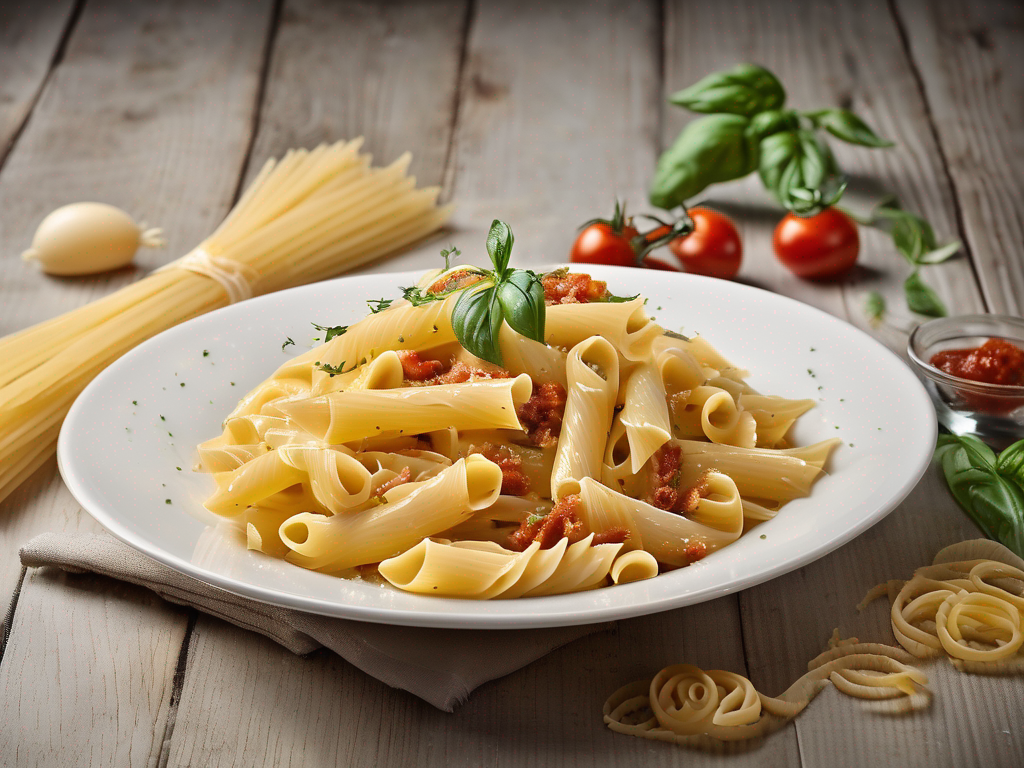
The Shelf Life of Dried Pasta: A Comprehensive Guide
When it comes to pantry staples, dried pasta is a versatile and convenient option that many households rely on. Whether you're whipping up a quick weeknight dinner or preparing a special pasta dish for guests, having dried pasta on hand can save the day. However, like all food items, dried pasta does have a shelf life that you need to be aware of to ensure its quality and safety. In this comprehensive guide, we'll explore everything you need to know about the shelf life of dried pasta, including storage tips, signs of spoilage, and how to make the most of this pantry essential. (Pasta)
Understanding the Shelf Life of Dried Pasta
Dried pasta is typically made from durum wheat semolina and water, which are mixed together to form a dough, shaped into various pasta shapes, and then dried. This drying process removes the moisture from the pasta, making it shelf-stable for an extended period. However, even though dried pasta has a long shelf life, it is not completely immune to deterioration over time.
Factors Affecting Shelf Life
Several factors can impact the shelf life of dried pasta, including:
Dairy products require consistent cold storage to prevent spoilage and bacterial growth. A refrigerator thermometer (Amazon) helps ensure your refrigerator maintains safe temperatures (40°F or below).
- Packaging: The type of packaging used can affect the pasta's exposure to air and moisture.
- Storage Conditions: Proper storage is crucial to maintaining the quality of dried pasta.
- Quality of Ingredients: The quality of the durum wheat semolina used in the pasta can influence its longevity.
Shelf Life of Dried Pasta Varieties
Different types of dried pasta may have varying shelf lives based on their shapes and sizes. Here's a general guideline for the shelf life of common pasta varieties:
- Long and Strand Pasta (Spaghetti, Linguine): 1-2 years
- Short Pasta (Penne, Fusilli): 1-2 years
- Stuffed Pasta (Ravioli, Tortellini): 6-8 months
- Specialty Pasta (Gluten-Free, Whole Wheat): 6-12 months
Keep in mind that these are approximate timelines, and the actual shelf life of your dried pasta may vary based on storage conditions and the quality of the product.
Signs of Spoilage
While dried pasta has a long shelf life, it can still spoil if not stored properly. Here are some signs that your dried pasta may have gone bad:
After opening, transferring dairy into an airtight container (Amazon) can reduce odor absorption, limit moisture exposure, and help slow bacterial growth.
- Unusual Odor: If the pasta smells rancid or off, it may have spoiled.
- Mold Growth: Visible mold on the pasta is a clear sign of spoilage.
- Insects or Pest Infestation: If you notice any insects or pests in your pasta, it's best to discard it.
Proper Storage Tips for Dried Pasta
To maximize the shelf life of your dried pasta and ensure its quality, follow these storage tips:
- Store in a Cool, Dry Place: Keep your dried pasta in a cool, dry pantry away from heat and humidity.
- Seal Properly: Once opened, transfer the pasta to an airtight container or resealable bag to prevent moisture absorption.
- Avoid Exposure to Light: Store pasta in a dark pantry or cupboard to prevent light exposure, which can degrade the quality of the pasta.
- Check Expiry Dates: Be mindful of the expiry dates on the pasta packaging and use older pasta first.
common situation
A Busy Parent's Lifesaver
Consider Sarah, a busy mom who often juggles work, kids' activities, and household chores. One evening, she realizes it’s nearly dinnertime, and she’s out of fresh ingredients. Fortunately, she has a pack of dried spaghetti tucked away in her pantry. In just 15 minutes, she whips up a delicious pasta dish with some canned tomatoes, garlic, and leftover veggies, saving her from ordering takeout. Properly storing that dried pasta allowed her to make a quick meal, demonstrating how a well-stocked pantry can save the day.
The Unexpected Dinner Guest
Imagine David, who invites a friend over for dinner only to discover that he doesn't have time to shop for fresh ingredients and only has a box of penne pasta. Remembering he stored it in a cool, dry place, he confidently cooks a creamy penne dish, impressing his guest with his culinary skills. By knowing his pantry staples' shelf life, David avoids the embarrassment of serving expired food and creates a memorable evening.
College Student Cooking Experiment
Then there's Emily, a college student experimenting with cooking. She decides to host a pasta night but is unsure how to use the dried fettuccine she bought months ago. After confirming it hasn’t spoiled—no off smells or insects—she discovers an online recipe that calls for her dried pasta. Her successful cooking adventure not only saves her money but also becomes a fun bonding experience with her friends.
Scientific Context: The Chemistry of Dried Pasta
The science behind dried pasta preservation lies in its low moisture content. When pasta is dried, it undergoes a process called dehydration, which reduces the water activity, inhibiting the growth of microorganisms and extending its shelf life. This process helps to lock in nutrients, making dried pasta a valuable dietary source of carbohydrates and protein.
Furthermore, dried pasta is rich in complex carbohydrates, which provide a sustained energy release, making it an ideal choice for athletes and active individuals. It is also low in fat and can serve as a great base for various healthy dishes when paired with vegetables, lean proteins, and healthy fats.
Practical Tips for Using Dried Pasta
- Cook in Salted Water: Always remember to season the water with salt when boiling pasta. This enhances the overall flavor of the dish.
- Don’t Rinse Your Pasta: After cooking, avoid rinsing your pasta unless you’re making a cold pasta salad. Rinsing removes the starch that helps sauces cling to the noodles.
- Save the Starch: When draining pasta, consider saving a cup of the cooking water. This starchy water can be added to sauces to help them adhere better to the pasta.
Common Mistakes in Pasta Storage
- Storing in the Fridge: Many people mistakenly think that storing dried pasta in the fridge will extend its shelf life. In reality, cool and dry pantry conditions are ideal, as the fridge can introduce moisture.
- Using Opened Pasta Too Late: Forgetting about opened packages can be a common oversight. Always transfer opened pasta to an airtight container to maintain its quality.
- Ignoring Expiry Dates: Some may ignore the expiry dates, thinking that as long as it’s dry, it’s good. However, the quality of pasta may degrade over time, affecting texture and taste.
Expert Insights
Food safety public health guidance indicates that understanding the shelf life of your pantry staples—like dried pasta—is crucial for both quality and safety. According to the USDA, food items can often be consumed beyond their expiry date if stored correctly, but quality may diminish. Always assess the appearance and smell of food before using it.
In addition, when purchasing dried pasta, look for reputable brands that use high-quality ingredients. The nutritional value of pasta can vary significantly, especially with specialty varieties like whole wheat or gluten-free options. Many people don’t realize that whole grain pasta is often higher in fiber and nutrients compared to regular pasta, making it a healthier choice.
Conclusion
Dried pasta is a pantry staple that can last for an extended period if stored properly. By understanding the factors that affect its shelf life, recognizing signs of spoilage, and following proper storage guidelines, you can enjoy your favorite pasta dishes with confidence. Remember to check the quality of your dried pasta before cooking, and when in doubt, it's always best to err on the side of caution and discard any pasta that shows signs of spoilage. With these tips in mind, you can make the most of your dried pasta and create delicious meals for yourself and your loved ones.
Now that you're equipped with the knowledge of dried pasta shelf life, why not try out some pasta recipes to put your skills to the test? Happy cooking! (Pasta)
Related Posts
Here are some other articles you might find helpful:
Authoritative Food Safety References
These agencies and university labs inform every tip and health precaution we publish.
USDA FoodKeeper – Cold Storage Guidelines
Official refrigerator, freezer, and pantry timelines maintained by the U.S. Department of Agriculture.
Visit USDA FoodKeeperFDA Produce Safety Rule & Grower Guidance
Field-to-fridge handling practices that prevent contamination of fruits, vegetables, and leafy greens.
Visit FDA Produce SafetyCDC Foodborne Illness Prevention Hub
Surveillance-backed guidance on pathogens, symptoms, and steps to reduce foodborne illness risk.
Visit CDC Food SafetyUC Davis Postharvest Technology Center
University research detailing optimal storage atmospheres for produce after harvest.
Visit UC Davis PostharvestPenn State Extension – Home Food Preservation & Safety
Peer-reviewed extension bulletins on safe canning, chilling, and reheating practices.
Visit Penn State ExtensionDisclosure: As an Amazon Associate, we earn from qualifying purchases. This helps support our site and allows us to continue providing free food safety information.