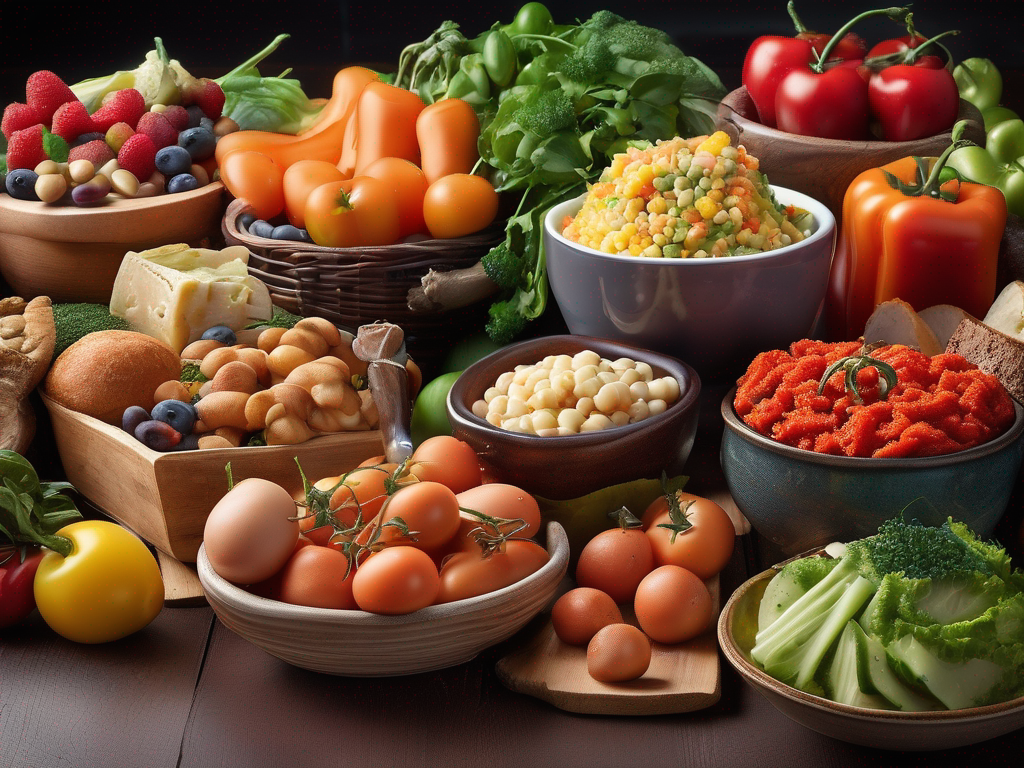
Eating Well Without Refrigeration: Delicious and Safe Non-Refrigerated Meals
CanIEatExpired.com Team
# Eating Well Without Refrigeration: Delicious and Safe Non-Refrigerated Meals

In today's fast-paced world, many of us find ourselves on the go without access to refrigeration. Whether you're camping, traveling, or simply looking to reduce your energy consumption, it's essential to have options for meals that don't require refrigeration. With a bit of planning and creativity, you can enjoy tasty, nutritious meals without the need for a fridge. In this blog post, we'll explore some delicious non-refrigerated meal ideas, along with food safety tips to keep your meals fresh and safe to eat.

## Non-Refrigerated Meal Ideas

### Canned Goods and Jarred Items
- **Canned Beans**: Beans are a versatile and nutritious option that can be enjoyed cold or heated up.
- **Canned Tuna or Chicken**: These protein-packed options can be used in salads, wraps, or sandwiches.
- **Jarred Pickles and Olives**: Add flavor and crunch to your meals with these shelf-stable items.
- **Canned Soups**: Opt for varieties that don't require refrigeration until opened.

### Dried Foods
- **Dried Fruits and Nuts**: Create your own trail mix for a convenient and energizing snack.
- **Beef Jerky**: A protein-rich option that can be enjoyed on its own or added to dishes.
- **Dried Pasta and Rice**: Pair with canned sauces or protein sources for a satisfying meal.

### Shelf-Stable Products
- **Nut Butter**: Spread on crackers or bread for a quick and filling snack.
- **Crackers and Breadsticks**: Pair with cheese, hummus, or spreads for a simple meal.
- **Cereal and Granola**: Enjoy with shelf-stable milk alternatives or as a topping for yogurt.

### Fresh Produce
- **Apples and Oranges**: These fruits can be stored at room temperature for several days.
- **Carrots and Celery**: Cut into sticks for a crunchy and refreshing snack.
- **Avocados**: Choose ripe avocados that can be enjoyed within a day or two.

## common situation

### situation 1: The Camping Trip
Imagine you're on a weekend camping trip with friends. You've planned a variety of activities like hiking and fishing, but you want to ensure that everyone has tasty meals without the hassle of refrigeration. Packing canned beans, tuna, and a jar of your favorite salsa can be a game-changer. You can whip up a quick bean salad with diced tomatoes and avocado for lunch, and for dinner, a simple tuna wrap with some crunchy carrots on the side. These meals are not only easy to prepare but also satisfying after a long day outdoors.

### situation 2: A Busy Work Week
Picture a hectic week at the office where you're constantly on the move. You want to eat well but don’t have time for grocery shopping or meal prep. This is where shelf-stable meals come to the rescue. Stocking up on nut butter, whole-grain crackers, and some fruits ensures you have a nutritious snack ready to go. Pair a banana with nut butter for a quick breakfast or a mid-afternoon pick-me-up. You can also keep a few cans of soup in your desk drawer for a no-fuss lunch, just add some whole-grain bread for a hearty meal.

### situation 3: Emergency Preparedness
We all know that emergencies can strike without warning, whether it’s a natural disaster or a power outage. Having a stockpile of non-refrigerated meals can provide reassurance. Think about items like canned vegetables, dried pasta, and instant oatmeal. These foods not only have long shelf lives but are also easy to prepare with minimal resources. A simple pasta dish with canned tomatoes and spices can be both comforting and fulfilling during stressful times.

## Food Safety Tips for Non-Refrigerated Meals

### Proper Storage
- **Keep Foods in a Cool, Dry Place**: Store non-refrigerated items away from heat sources and direct sunlight.
- **Use Airtight Containers**: Seal opened items in containers to maintain freshness and prevent contamination.
- **Check Expiration Dates**: Monitor the expiration dates of canned and packaged goods to ensure safety.

### Safe Handling
- **Wash Hands Before Eating**: Practice good hygiene by washing your hands before preparing or consuming non-refrigerated meals.
- **Avoid Cross-Contamination**: Use separate utensils and cutting boards for raw and cooked foods to prevent foodborne illnesses.
- **Discard Damaged or Bulging Cans**: If a can is dented, bulging, or leaking, discard it immediately to avoid the risk of food poisoning.

### Temperature Control
- **Monitor Food Temperatures**: Keep an eye on the ambient temperature of your storage area to ensure that foods are not exposed to extreme heat.
- **Use Insulated Bags or Coolers**: When traveling or camping, use insulated bags or coolers with ice packs to keep perishable items safe for consumption.
- **Rotate Food Supplies**: Consume older items first to prevent spoilage and waste.

## Scientific Context and Nutritional Information

Understanding the science behind food preservation can significantly enhance your experience with non-refrigerated meals. For instance, canning is a method that uses heat to destroy bacteria, yeasts, and molds that could spoil food. This process creates a vacuum seal, preventing new microorganisms from entering. Most canned foods can last for years if stored properly, making them an excellent choice for non-refrigerated meals.

Dried foods, on the other hand, are preserved by removing moisture, which inhibits the growth of bacteria and mold. Items like dried fruits and nuts are rich in nutrients and provide a quick energy boost during your adventures. However, it's essential to consume them in moderation, as they are calorie-dense.

When it comes to nutrition, opting for whole, unprocessed foods when possible can help you maintain a balanced diet even without refrigeration. For example, whole grains found in cereals and pasta provide fiber and essential nutrients that can keep you feeling full longer.

## Practical Tips for Easy Meals

To make meal prep easier, consider creating a simple meal plan for the week. Mix and match the items listed in the meal ideas section to keep things interesting. For instance, you can create a “Taco Night” with canned beans, jarred salsa, and whole-grain tortillas. Alternatively, a “Breakfast for Dinner” could include granola with shelf-stable milk and dried fruits—a fun twist on routine meals.

Another tip is to keep a portable spice kit. Seasonings can elevate the simplest of meals. A few packets of salt, pepper, chili flakes, or even a sprinkle of garlic powder can transform your canned beans or pasta into something special.

## Common Mistakes to Avoid

Many people underestimate the importance of checking expiration dates on non-refrigerated goods. Others may store items in damp or warm places, causing them to spoil faster. It's a common misconception that canned goods last indefinitely; while they do have long shelf lives, they can degrade in quality over time and may not be safe to consume past their expiration date.

Another mistake is the improper storage of opened items. Once opened, canned goods should ideally be transferred to an airtight container for long-term storage, as exposure to air can lead to spoilage. Additionally, using the same utensils for raw and cooked foods can lead to cross-contamination, so always be vigilant about cleanliness.

## Expert Insights

As a food safety expert, I always recommend being proactive about food storage and safety practices. For instance, when camping or traveling, consider using vacuum-sealed bags for items like fruits or cooked grains that might not be shelf-stable on their own. This method not only preserves freshness but also saves space in your pack.

Moreover, consider investing in a food thermometer if you plan on cooking some of your non-refrigerated items. This tool can help ensure that your food reaches the safe temperature needed to eliminate any harmful bacteria, especially in situations where you're cooking with limited resources.

## Conclusion

Enjoying non-refrigerated meals doesn't mean sacrificing taste or nutrition. By choosing shelf-stable options, practicing proper food safety techniques, and being mindful of storage conditions, you can savor delicious meals wherever you go. Whether you're looking for quick snacks or hearty meals, there are plenty of options available that don't require refrigeration. With a bit of creativity and planning, you can maintain a well-rounded diet even when a fridge is out of reach. Stay safe, stay nourished, and bon appétit!
Authoritative Food Safety References
These agencies and university labs inform every tip and health precaution we publish.
USDAOfficial guidance
USDA FoodKeeper – Cold Storage Guidelines
Official refrigerator, freezer, and pantry timelines maintained by the U.S. Department of Agriculture.
Visit USDA FoodKeeperFDAOfficial guidance
FDA Produce Safety Rule & Grower Guidance
Field-to-fridge handling practices that prevent contamination of fruits, vegetables, and leafy greens.
Visit FDA Produce SafetyCDCOfficial guidance
CDC Foodborne Illness Prevention Hub
Surveillance-backed guidance on pathogens, symptoms, and steps to reduce foodborne illness risk.
Visit CDC Food SafetyResearchUniversity research
UC Davis Postharvest Technology Center
University research detailing optimal storage atmospheres for produce after harvest.
Visit UC Davis PostharvestResearchUniversity research
Penn State Extension – Home Food Preservation & Safety
Peer-reviewed extension bulletins on safe canning, chilling, and reheating practices.
Visit Penn State ExtensionDisclosure: As an Amazon Associate, we earn from qualifying purchases. This helps support our site and allows us to continue providing free food safety information.
Our articles are created using a combination of AI assistance and human review. All food safety information is based on USDA guidelines and credible sources. Learn more about our review process here.