The Ultimate Guide to Lemon Juice Expiration: Safety Tips and Storage Recommendations
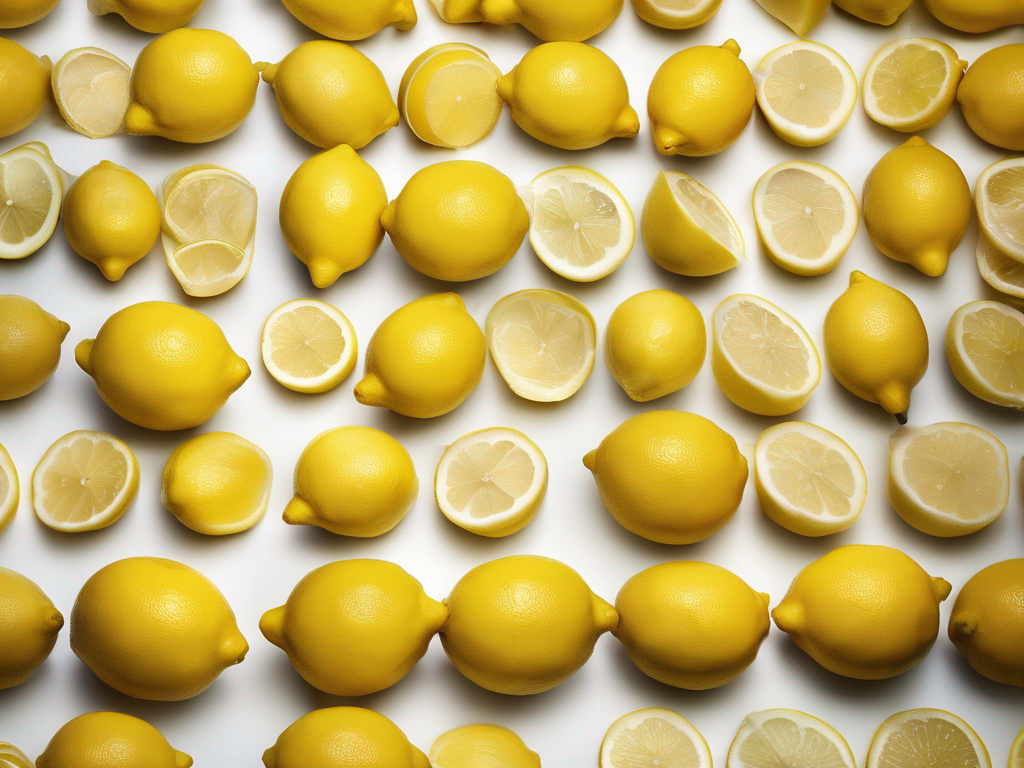
Lemons are a versatile fruit that adds a burst of flavor to dishes and beverages. Lemon juice, extracted from these citrus fruits, is a popular ingredient used in cooking, baking, cocktails, and even household cleaning. However, like all food products, lemon juice has a limited shelf life, and it's essential to understand how to store it properly and recognize when it has expired. In this comprehensive guide, we will delve into the factors that affect the expiration of lemon juice, safety tips for storage, and how to ensure you are using fresh lemon juice in your culinary creations. (Lemon)
Factors Affecting Lemon Juice Expiration
Lemon juice, whether freshly squeezed or commercially bottled, can spoil over time due to various factors:
1. Oxygen Exposure
- When exposed to air, lemon juice can oxidize, leading to a change in flavor and color.
- Oxidation can also compromise the nutritional content of the juice.
2. Light
- UV light can degrade the quality of lemon juice, causing it to lose its freshness and nutritional value.
- It is essential to store lemon juice in a container that blocks out light to prolong its shelf life.
3. Temperature
- Extreme temperatures, both hot and cold, can impact the quality of lemon juice.
- Storing lemon juice in a cool, dark place is crucial to prevent spoilage.
4. Contamination
- Introducing bacteria or other pathogens to lemon juice can lead to foodborne illness.
- Always use clean utensils and containers when handling lemon juice.
Signs of Expired Lemon Juice
It's crucial to be able to identify when lemon juice has gone bad to prevent any adverse effects on your health:
Proper airflow and humidity control can significantly extend produce freshness. Many households use produce storage containers (Amazon) in the refrigerator to regulate moisture and slow spoilage.
1. Mold Growth
- If you notice any mold floating on the surface of the lemon juice, it is a clear sign that it has spoiled.
- Discard the juice immediately if mold is present.
2. Off Odor
- Fresh lemon juice has a tangy, citrusy aroma. If the juice smells off or rancid, it is best to throw it away.
3. Change in Color
- Lemon juice should be a vibrant yellow color. If it appears cloudy or has turned a darker shade, it may have oxidized and gone bad.
4. Taste Test
- If the lemon juice tastes sour or bitter, it is likely past its prime and should not be consumed.
Safety Tips for Storing Lemon Juice
Proper storage is key to extending the shelf life of lemon juice and maintaining its quality:
1. Refrigeration
- Store opened bottles of lemon juice in the refrigerator to slow down the oxidation process.
- Ensure the cap is tightly sealed to prevent air exposure.
2. Use Airtight Containers
- When storing freshly squeezed lemon juice, use airtight containers to minimize oxygen exposure.
- Mason jars or glass bottles with screw-on lids work well for preserving lemon juice.
3. Avoid Freezing
- Freezing lemon juice can alter its texture and flavor.
- It is best to refrigerate lemon juice for short-term storage.
4. Labeling
- Always label containers with the date you opened or squeezed the lemon juice.
- This will help you track its freshness and prevent using expired juice accidentally.
common situation
Understanding how lemon juice can impact your cooking or daily life can be eye-opening. Here are a couple of relatable situation:
situation 1: The Cocktail Party
Imagine you’re preparing for a cocktail party and decide to whip up a batch of lemon margaritas. You reach for the bottle of pre-packaged lemon juice you bought a month ago. As you pour, you notice a slightly off smell. Instead of risking your guests' health by serving potentially spoiled juice, you quickly swap it out for freshly squeezed lemon juice from your local market. This not only ensures safety but also elevates your cocktails with a fresher flavor.
Keeping produce organized can improve air circulation and cooling. refrigerator organizer bins (Amazon) help reduce overcrowding and maintain consistent refrigerator temperatures.
situation 2: The Baking Disaster
You’re baking a lemon meringue pie for a family gathering, excited to showcase your culinary skills. You grab a bottle of lemon juice from the pantry that you’ve had for several months. However, as you pour it into your mixture, the color seems darker than you remember. You take a quick taste and realize it’s bitter. Not wanting to compromise the pie’s quality, you decide to take a trip to the store for fresh lemons. This decision not only saves your dessert but also impresses your family with its bright, zesty flavor.
Scientific Context
Lemon juice is rich in citric acid, which gives it its tart flavor and acts as a natural preservative. The acidity of lemon juice helps inhibit the growth of harmful bacteria and molds, making it a safer choice for many culinary applications. However, while this acidity can help preserve the juice, it doesn’t make it impervious to spoilage.
Many people don’t realize that the pH level of lemon juice can change over time due to exposure to air, light, and contaminants. Research shows that maintaining a pH level of 2.0 to 3.0 is essential for inhibiting microbial growth. Therefore, proper storage is vital to keeping lemon juice safe and fresh.
Common Mistakes
As a food safety expert, I encounter several common mistakes that people make when it comes to lemon juice:
1. Not Checking Expiration Dates
Many individuals overlook checking the expiration date on bottled lemon juice. Always make it a habit to check this date before use, especially if the bottle has been open for a while.
2. Assuming All Lemon Juice is Equal
Not all lemon juice is created equal. Freshly squeezed juice offers a different flavor profile and nutritional content compared to bottled lemon juice, which may contain preservatives. It’s important to know what type you’re using for your recipe.
3. Neglecting Storage Conditions
Some people store lemon juice in direct sunlight or at room temperature, which accelerates spoilage. Always prioritize a cool, dark spot or the refrigerator for optimal freshness.
Practical Tips for Extended Freshness
Here are some additional practical tips to keep your lemon juice fresh for longer:
1. Freeze in Ice Cubes
If you have an excess of fresh lemon juice, consider freezing it in ice cube trays. This way, you can pop out a cube or two whenever you need a splash of lemon juice, minimizing waste while still enjoying that fresh taste.
2. Use as a Natural Cleaner
If you find your lemon juice is nearing its expiration but isn’t spoiled, consider using it as a natural cleaner. The acidity can help cut through grease and grime, making it a fantastic addition to your cleaning routine.
3. Incorporate into Other Dishes
If your lemon juice is still good but you’re worried about it spoiling, use it in other dishes. Add a splash to salad dressings, marinades, or even your morning smoothie for an extra zesty kick.
Expert Insights
Food safety professionals recommend regularly checking your pantry and refrigerator items, including lemon juice, to avoid any unpleasant surprises. It is also wise to familiarize yourself with safe handling practices. For instance, consider using a clean spoon each time you scoop out juice, and avoid touching the inside of the cap or lid with your fingers to minimize contamination.
Additionally, if you ever find yourself questioning the safety of lemon juice or any food product, it is far better to err on the side of caution. The risk of foodborne illness is not worth the chance of consuming questionable items.
Conclusion
In conclusion, understanding the factors that contribute to lemon juice expiration and following proper storage guidelines are essential for maintaining its quality and safety. By being mindful of signs of spoilage and implementing best practices for storing lemon juice, you can enjoy the fresh, zesty flavor of this citrus staple in your favorite recipes. Remember, when in doubt, it's always better to err on the side of caution and discard any lemon juice that shows signs of being past its prime. Lemons are a fantastic ingredient, and with the right care, you can make the most of their tangy goodness in your culinary creations. (Lemon)
Related Posts
Here are some other articles you might find helpful:
Authoritative Food Safety References
These agencies and university labs inform every tip and health precaution we publish.
USDA FoodKeeper – Cold Storage Guidelines
Official refrigerator, freezer, and pantry timelines maintained by the U.S. Department of Agriculture.
Visit USDA FoodKeeperFDA Produce Safety Rule & Grower Guidance
Field-to-fridge handling practices that prevent contamination of fruits, vegetables, and leafy greens.
Visit FDA Produce SafetyCDC Foodborne Illness Prevention Hub
Surveillance-backed guidance on pathogens, symptoms, and steps to reduce foodborne illness risk.
Visit CDC Food SafetyUC Davis Postharvest Technology Center
University research detailing optimal storage atmospheres for produce after harvest.
Visit UC Davis PostharvestPenn State Extension – Home Food Preservation & Safety
Peer-reviewed extension bulletins on safe canning, chilling, and reheating practices.
Visit Penn State ExtensionDisclosure: As an Amazon Associate, we earn from qualifying purchases. This helps support our site and allows us to continue providing free food safety information.