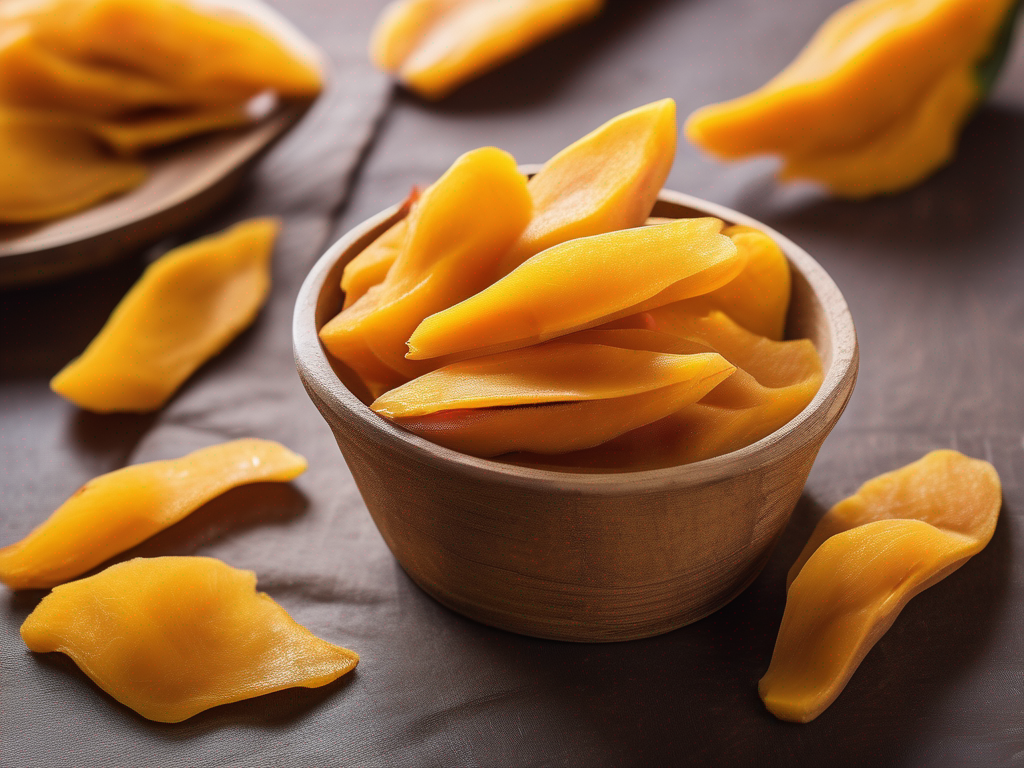
How to Tell if Dried Mango Has Gone Bad
How to Tell if Dried Mango Has Gone Bad
Dried mango is a delicious and nutritious snack that can be enjoyed on its own or used in various recipes. However, like any other food item, dried mango can go bad if not stored properly or if it is past its expiration date. In this blog post, we will discuss how to tell if dried mango has gone bad, and provide you with some practical tips on how to ensure the safety and quality of your dried mango. (Dried mango)
Signs of Spoiled Dried Mango
Dried mango is a dehydrated fruit that has a longer shelf life compared to fresh mangoes. However, it can still spoil if exposed to moisture or stored in improper conditions. Here are some signs that your dried mango may have gone bad:
1. Mold or Discoloration
- If you notice any mold or unusual discoloration on the surface of the dried mango, it is a clear indication that it has spoiled.
2. Unpleasant Odor
- Spoiled dried mango may emit a sour or rancid smell. If the dried mango smells off or unpleasant, it is best to discard it.
3. Texture Changes
- Good-quality dried mango should have a chewy texture. If the texture is overly soft, slimy, or sticky, it is likely that the dried mango has gone bad.
4. Taste
- Taste a small piece of the dried mango. If it tastes sour, bitter, or off, it is best to avoid consuming it.
Proper Storage of Dried Mango
To ensure the longevity and quality of your dried mango, it is essential to store it properly. Here are some tips on how to store dried mango correctly:
Proper airflow and humidity control can significantly extend produce freshness. Many households use produce storage containers (Amazon) in the refrigerator to regulate moisture and slow spoilage.
1. Air-Tight Container
- Transfer the dried mango to an airtight container or resealable bag to protect it from moisture and air exposure.
2. Cool, Dry Place
- Store the dried mango in a cool, dry place away from direct sunlight and heat sources. Proper storage conditions will help prevent the growth of mold and bacteria.
3. Refrigeration
- If you live in a humid climate or plan to store the dried mango for an extended period, consider storing it in the refrigerator to maintain its freshness.
4. Use-By Date
- Check the expiration date on the packaging of the dried mango. It is essential to consume the product before the expiration date to ensure its quality.
Tips for Safe Consumption
When enjoying dried mango, consider the following tips to ensure your safety:
- Wash your hands before handling dried mango to prevent contamination.
- Avoid cross-contamination by using clean utensils when serving dried mango.
- If you have any allergies or dietary restrictions, check the ingredients list on the packaging before consuming dried mango.
- If you are unsure about the quality or safety of the dried mango, it is best to err on the side of caution and dispose of it.
Conclusion
In conclusion, dried mango is a delicious and convenient snack that can be enjoyed in moderation. By following the storage tips mentioned above and being mindful of the signs of spoilage, you can ensure that your dried mango stays fresh and safe for consumption. Remember to trust your senses and use your best judgment when determining if dried mango has gone bad. Stay informed and stay safe while enjoying this tasty treat!
For more information on dried mango and other food safety tips, visit [dried mango](/food/dried mango).
Keeping produce organized can improve air circulation and cooling. refrigerator organizer bins (Amazon) help reduce overcrowding and maintain consistent refrigerator temperatures.
Remember, when in doubt, throw it out! (Dried mango)
Authoritative Food Safety References
These agencies and university labs inform every tip and health precaution we publish.
USDA FoodKeeper – Cold Storage Guidelines
Official refrigerator, freezer, and pantry timelines maintained by the U.S. Department of Agriculture.
Visit USDA FoodKeeperFDA Produce Safety Rule & Grower Guidance
Field-to-fridge handling practices that prevent contamination of fruits, vegetables, and leafy greens.
Visit FDA Produce SafetyCDC Foodborne Illness Prevention Hub
Surveillance-backed guidance on pathogens, symptoms, and steps to reduce foodborne illness risk.
Visit CDC Food SafetyUC Davis Postharvest Technology Center
University research detailing optimal storage atmospheres for produce after harvest.
Visit UC Davis PostharvestPenn State Extension – Home Food Preservation & Safety
Peer-reviewed extension bulletins on safe canning, chilling, and reheating practices.
Visit Penn State ExtensionDisclosure: As an Amazon Associate, we earn from qualifying purchases. This helps support our site and allows us to continue providing free food safety information.