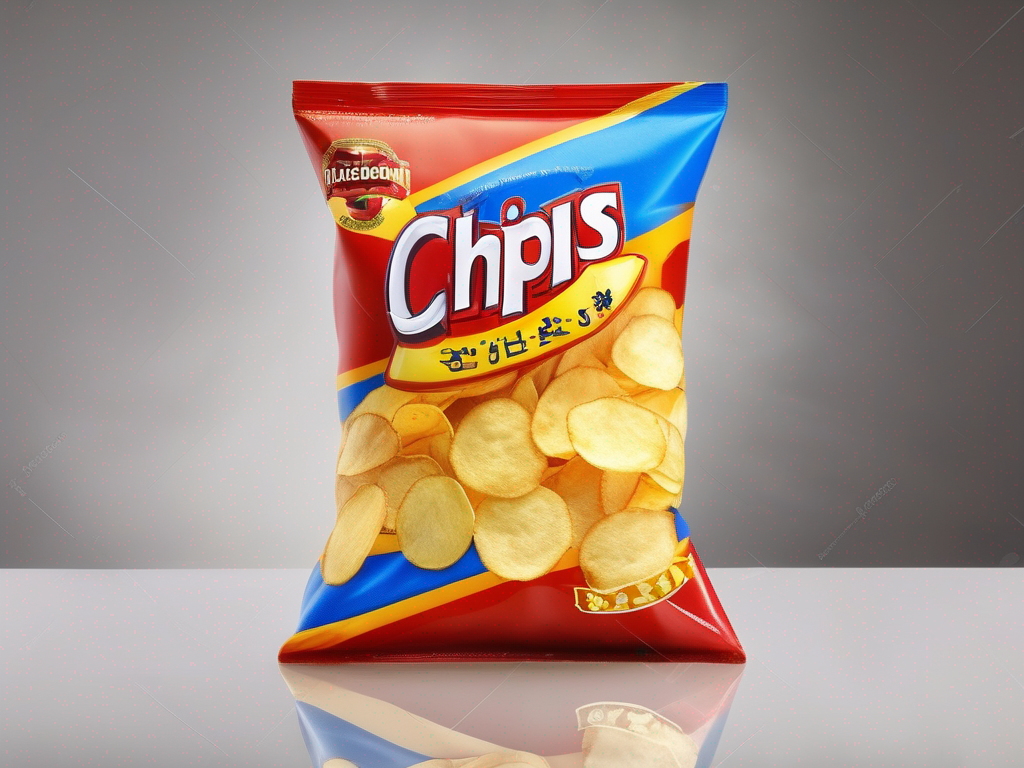
How to Store Chips in an Opened Bag to Keep Them Crispy
How to Store Chips in an Opened Bag to Keep Them Crispy
When it comes to snacking, there's nothing quite like the satisfying crunch of a perfectly crispy chip. But what happens when you've opened a bag of chips and want to keep them fresh and crunchy for as long as possible? In this post, we'll explore some practical tips on how to store chips in an opened bag to maintain their crispiness. (Chips opened bag)
Why Proper Storage Matters for Chips
Proper storage of chips is essential to maintain their texture and flavor. When exposed to air and moisture, chips can quickly lose their crunch and become stale. Here are a few reasons why storing chips correctly is crucial:
- Preserves Freshness: Proper storage helps preserve the freshness of the chips, ensuring they taste as delicious as when you first opened the bag.
- Maintains Texture: Storing chips correctly helps maintain their crispiness, making every bite enjoyable.
- Prevents Spoilage: By keeping chips in an airtight container, you can prevent them from going stale or becoming rancid.
Tips for Storing Chips in an Opened Bag
1. Use Airtight Containers
- Transfer the chips to an airtight container to protect them from air and moisture.
- Choose a container that can seal tightly to maintain the crunchiness of the chips.
2. Remove Excess Air
- Squeeze out excess air from the bag before sealing it to prevent the chips from getting stale.
- Alternatively, use a vacuum sealer to remove air and ensure maximum freshness.
3. Store in a Cool, Dark Place
- Keep the chips away from heat and sunlight, as exposure to light and warmth can accelerate staleness.
- Opt for a cool, dark pantry or cupboard for storing the chips.
4. Avoid Humidity
- Moisture is the enemy of crispy chips, so make sure the storage area is dry and free from humidity.
- Consider using a moisture absorber in the container to keep the chips dry.
5. Do Not Refrigerate
- Avoid storing chips in the refrigerator, as the cold temperature can cause condensation and make the chips soggy.
- Room temperature storage is ideal for maintaining the crispiness of the chips.
Additional Tips for Keeping Chips Crispy
1. Opt for Smaller Containers
- If you don't plan to finish the chips in one sitting, divide them into smaller portions and store them in individual containers.
- This way, you can open one portion at a time, keeping the rest of the chips fresh and crispy.
2. Use Paper Towels
- Place a paper towel inside the container with the chips to absorb any excess moisture and help maintain their crispiness.
- Replace the paper towel if it becomes damp to prevent it from affecting the chips.
3. Avoid Freezing
- Freezing chips is not recommended, as the moisture from condensation can make them lose their crunch.
- Stick to room temperature storage for the best results.
4. Consume Within a Reasonable Timeframe
- While proper storage can help prolong the freshness of chips, it's best to consume them within a reasonable timeframe for the best taste and texture.
- Check the expiration date on the package and aim to finish the chips before they go stale.
Conclusion
By following these tips for storing chips in an opened bag, you can enjoy crispy and delicious snacks for longer periods. Remember to keep the chips in an airtight container, away from heat and humidity, and consume them within a reasonable timeframe for the best quality. With the right storage techniques, you can savor every crunchy bite of your favorite chips. Learn more about storing chips in an opened bag for optimum freshness and flavor. (Chips opened bag)
Related Posts
Here are some other articles you might find helpful:
Authoritative Food Safety References
These agencies and university labs inform every tip and health precaution we publish.
USDA FoodKeeper – Cold Storage Guidelines
Official refrigerator, freezer, and pantry timelines maintained by the U.S. Department of Agriculture.
Visit USDA FoodKeeperFDA Produce Safety Rule & Grower Guidance
Field-to-fridge handling practices that prevent contamination of fruits, vegetables, and leafy greens.
Visit FDA Produce SafetyCDC Foodborne Illness Prevention Hub
Surveillance-backed guidance on pathogens, symptoms, and steps to reduce foodborne illness risk.
Visit CDC Food SafetyUC Davis Postharvest Technology Center
University research detailing optimal storage atmospheres for produce after harvest.
Visit UC Davis PostharvestPenn State Extension – Home Food Preservation & Safety
Peer-reviewed extension bulletins on safe canning, chilling, and reheating practices.
Visit Penn State Extension