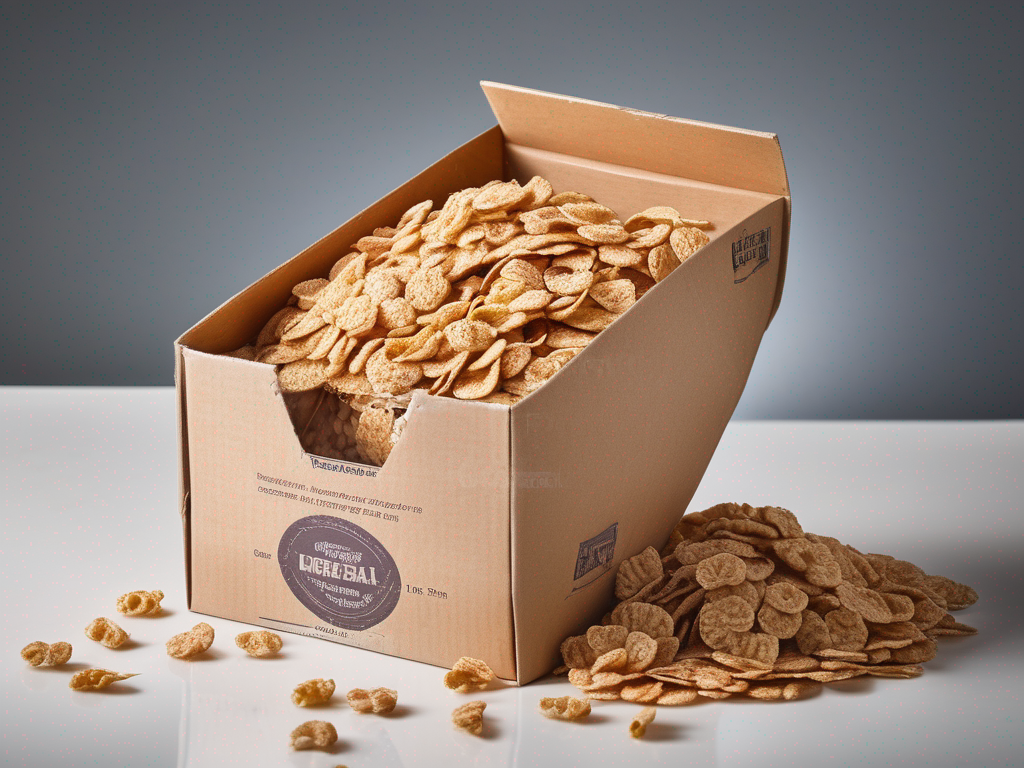
How to Properly Store Unopened Cereal Boxes to Prevent Expiration
How to Properly Store Unopened Cereal Boxes to Prevent Expiration
When it comes to keeping your favorite breakfast cereals fresh and crunchy, proper storage is key. Unopened cereal boxes can last for a long time if stored correctly, maintaining their flavor and texture until you're ready to enjoy them. In this guide, we'll explore the best practices for storing unopened cereal boxes to prevent expiration and ensure that your morning meal stays delicious. (Cereal boxed unopened)
Importance of Proper Storage for Unopened Cereal Boxes
Proper storage of unopened cereal boxes is essential for several reasons:
- Maintain Freshness: Storing cereal properly helps maintain its freshness and flavor.
- Prevent Spoilage: Incorrect storage can lead to the cereal becoming stale or rancid.
- Preserve Nutritional Value: Properly stored cereal retains its nutritional value for a longer time.
- Avoid Pests: Secure storage prevents pests like insects or rodents from contaminating the cereal.
Now, let's dive into the specifics of how to store unopened cereal boxes effectively.
Dry foods stay fresher when protected from moisture, pests, and air exposure. Using airtight pantry containers (Amazon) helps maintain quality and extend shelf life for pantry staples.
Best Practices for Storing Unopened Cereal Boxes
1. Choose the Right Storage Location
- Store unopened cereal boxes in a cool, dry place away from direct sunlight and heat sources.
- Avoid storing cereal near appliances that generate heat, such as ovens or stoves.
- Opt for a pantry or cupboard with consistent temperature and humidity levels.
2. Keep Cereal Boxes Sealed
- Ensure that the packaging of the cereal box is tightly sealed to prevent air and moisture from getting in.
- If the original packaging is damaged, transfer the cereal to an airtight container to maintain freshness.
3. Organize and Rotate Your Stock
- Arrange your cereal boxes in a way that allows for proper air circulation to prevent moisture buildup.
- Practice the "first in, first out" method to use older cereal boxes before newer ones to avoid expiration.
4. Monitor Expiration Dates
- Check the expiration date on each cereal box and consume them before the date indicated to ensure freshness.
- If a cereal box is approaching its expiration date, consider using it in recipes or donating it to prevent waste.
5. Consider Temperature and Humidity Levels
- Keep the storage area for cereal boxes at a moderate temperature (ideally between 50-70°F) to preserve freshness.
- Avoid storing cereal in areas prone to high humidity, as moisture can cause the cereal to become soggy or moldy.
Additional Tips for Storing Unopened Cereal Boxes
Properly Sealing the Bag
- If the cereal comes in a bag within the box, ensure the bag is sealed tightly after each use to maintain freshness.
- Consider using clips or resealable bags to keep the cereal airtight.
Avoiding Cross-Contamination
- Store cereal away from strong-smelling foods or products that could transfer odors to the cereal.
- Keep cereal boxes away from cleaning supplies or chemicals to prevent contamination.
Freezing for Long-Term Storage
- If you need to store cereal for an extended period, consider freezing unopened boxes to prolong their shelf life.
- Ensure the cereal is in an airtight container or freezer bag before placing it in the freezer.
Conclusion
Properly storing unopened cereal boxes is essential for maintaining their freshness and quality. By following the tips outlined in this guide, you can ensure that your favorite cereals stay delicious and ready to enjoy whenever you're craving a crunchy breakfast. Remember to check expiration dates, keep the boxes sealed, and store them in a suitable location to prevent spoilage and maintain optimal flavor. Happy cereal storage and enjoy your breakfast! (Cereal boxed unopened)
Authoritative Food Safety References
These agencies and university labs inform every tip and health precaution we publish.
USDA FoodKeeper – Cold Storage Guidelines
Official refrigerator, freezer, and pantry timelines maintained by the U.S. Department of Agriculture.
Visit USDA FoodKeeperFDA Produce Safety Rule & Grower Guidance
Field-to-fridge handling practices that prevent contamination of fruits, vegetables, and leafy greens.
Visit FDA Produce SafetyCDC Foodborne Illness Prevention Hub
Surveillance-backed guidance on pathogens, symptoms, and steps to reduce foodborne illness risk.
Visit CDC Food SafetyUC Davis Postharvest Technology Center
University research detailing optimal storage atmospheres for produce after harvest.
Visit UC Davis PostharvestPenn State Extension – Home Food Preservation & Safety
Peer-reviewed extension bulletins on safe canning, chilling, and reheating practices.
Visit Penn State ExtensionDisclosure: As an Amazon Associate, we earn from qualifying purchases. This helps support our site and allows us to continue providing free food safety information.