How to Properly Store Ground Cumin to Extend Its Shelf Life
How to Properly Store Ground Cumin to Extend Its Shelf Life
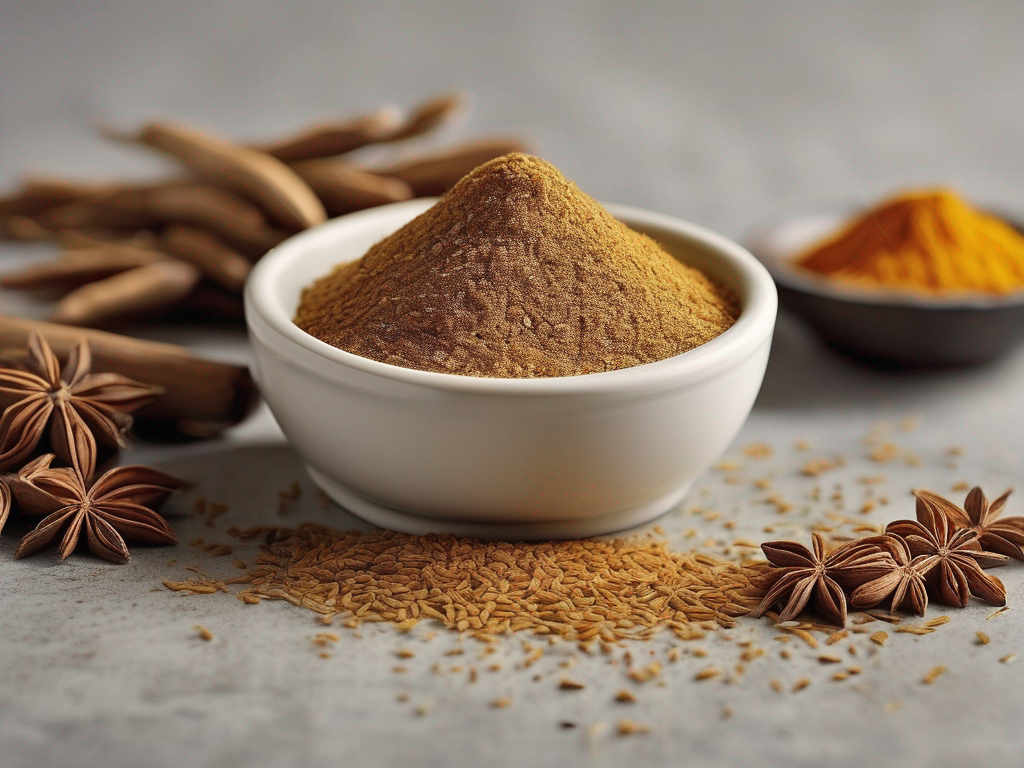
Ground cumin is a popular spice used in various cuisines around the world. Its warm, earthy flavor adds depth to dishes like chili, curry, and tacos. To ensure that your ground cumin maintains its flavor and potency for as long as possible, proper storage is crucial. In this blog post, we will discuss the best practices for storing ground cumin to extend its shelf life. (Ground cumin)
Understanding Ground Cumin
Before delving into storage tips, let's briefly discuss what ground cumin is. Cumin is a flowering plant in the Apiaceae family, and its seeds are dried and ground to create the spice we commonly use in cooking. Ground cumin is known for its distinctive aroma and flavor profile, which is both warm and slightly bitter.
Cumin is a staple spice in many cuisines, including Indian, Mexican, Middle Eastern, and North African. It is often used in spice blends, sauces, marinades, and meat dishes to add depth and complexity to the flavor profile.
Proper cooking temperatures are essential for food safety. An instant-read food thermometer (Amazon) helps ensure meat reaches safe internal temperatures and reduces the risk of foodborne illness.
Factors Affecting Ground Cumin's Shelf Life
Several factors can impact the shelf life of ground cumin, including:
Light Exposure
Light can degrade the flavor and aroma of ground cumin over time. It is essential to store cumin in a dark place to prevent deterioration.
Heat and Humidity
Heat and humidity can cause ground cumin to lose its potency more quickly. Storing cumin in a cool, dry place is crucial to maintain its flavor.
Refrigerator temperature fluctuations can accelerate spoilage and increase food safety risks. A refrigerator thermometer (Amazon) helps monitor consistent cold storage (40°F or below).
Air and Moisture
Exposure to air and moisture can lead to caking and clumping of ground cumin. It is important to store cumin in an airtight container to prevent these issues.
common situation
Imagine you’ve just moved into a new home and are unpacking your kitchen. You find a jar of ground cumin hidden at the back of a cabinet. You thought it was expired, but it looks fine. You decide to use it in your mom’s famous taco recipe for a family gathering. However, when you open the jar, the aroma is weak, and the flavor is almost non-existent. This experience highlights the importance of proper storage – had that cumin been kept in a dark, cool place, it might have retained its flavor.
Another situation could be a busy working parent who loves to cook but often finds themselves rushed. They regularly buy spices in bulk to save money but later realize they can’t use them before they lose their flavor. Proper storage can extend the life of ground cumin (and other spices), ensuring that every dish cooked at home is as flavorful as possible, even on a tight schedule.
Scientific Context
Ground cumin, like many spices, contains volatile compounds responsible for its flavor and aroma. These compounds can degrade due to exposure to light, heat, and air. For instance, cumin contains essential oils, including cuminaldehyde, which contributes to its characteristic scent. Studies show that ground spices can lose their potency significantly within six months to a year if not stored properly, meaning that the flavor profile can diminish over time, which could impact your culinary creations.
Nutritionally, ground cumin is not just a flavor enhancer; it also offers nutritional quality. It is rich in antioxidants and has been associated with various nutritional quality, including improved digestion and anti-inflammatory properties. To enjoy these benefits fully, using fresh, properly stored cumin is essential.
Proper Storage Tips for Ground Cumin
To extend the shelf life of your ground cumin and ensure maximum flavor retention, follow these storage tips:
1. Choose the Right Container
Use airtight containers made of glass or metal to store ground cumin. These containers help protect the spice from air, moisture, and light, preserving its flavor and aroma. While plastic containers may seem convenient, they can allow air to seep in over time, leading to quicker degradation.
2. Store in a Cool, Dark Place
Keep your ground cumin away from heat sources, such as stoves and ovens, as well as direct sunlight. Store it in a cool, dark pantry or cupboard to maintain its freshness. Many people don't realize how much heat from kitchen appliances can affect their spices. The difference between a spice cabinet and a pantry can be a matter of temperature stability.
3. Avoid Moisture
Moisture can cause ground cumin to clump and lose its potency. Make sure the container is completely dry before transferring the spice into it. Additionally, avoid using wet utensils when handling cumin. If you live in a particularly humid climate, consider using a desiccant packet in the spice container to absorb excess moisture.
4. Label and Date the Container
To keep track of the freshness of your ground cumin, label the container with the date of purchase or the date it was opened. This will help you know when it's time to replace the spice. It’s a small but effective strategy to avoid using cumin that has lost its flavor or aroma.
5. Buy in Small Quantities
If you don't use ground cumin frequently, consider buying smaller quantities to ensure that you use it before it loses its flavor. Buying in bulk may lead to the spice sitting in your pantry for too long. Many people don’t realize that spices don’t improve with age—freshness is key!
Common Mistakes to Avoid
As a food safety expert, I often see common mistakes when it comes to spice storage. Here are a few to watch out for:
1. Storing in Original Packaging
Many people store spices in their original packaging, which is often not designed for long-term storage. Instead, transfer ground cumin to an airtight container as soon as you bring it home.
2. Storing Over the Stove
It’s convenient to keep spices within reach while cooking, but the heat from the stove can degrade spices quickly. Find a cooler, darker storage solution.
3. Ignoring Expiration Dates
While spices don’t necessarily “expire” like perishable foods, they do lose flavor over time. If your ground cumin is several years old, it’s likely time to replace it, even if it appears fine.
Expert Insights
Many culinary experts emphasize the significance of freshness in spices. Renowned chefs often advocate for using whole spices and grinding them as needed to preserve their essential oils and flavors. If you’re serious about cooking, consider investing in a spice grinder. Whole cumin seeds can last significantly longer than pre-ground spices and will provide a burst of flavor when freshly ground.
Additionally, food safety experts recommend periodically checking the freshness of your spices, including ground cumin. Simply take a whiff; if the aroma is faint, it's time for a replacement.
Safety Warnings
While ground cumin is generally safe to consume, it’s essential to remain vigilant about cross-contamination. Always use clean, dry utensils when scooping out your spices. If you suspect any moisture has gotten into the container, use the cumin quickly, as it may have a higher chance of mold growth.
If you ever find your ground cumin has an off smell or shows signs of mold, it’s best to err on the side of caution and dispose of it. Better safe than sorry!
Conclusion
Proper storage is key to maintaining the flavor and potency of ground cumin. By following the tips outlined in this blog post, you can ensure that your cumin stays fresh for longer, allowing you to enjoy its unique flavor in your dishes. Remember to store ground cumin in a cool, dark place, in an airtight container, away from moisture and heat sources. By taking these simple steps, you can make the most of this versatile spice in your culinary creations. (Ground cumin)
Related Posts
Here are some other articles you might find helpful:
Authoritative Food Safety References
These agencies and university labs inform every tip and health precaution we publish.
USDA FoodKeeper – Cold Storage Guidelines
Official refrigerator, freezer, and pantry timelines maintained by the U.S. Department of Agriculture.
Visit USDA FoodKeeperFDA Produce Safety Rule & Grower Guidance
Field-to-fridge handling practices that prevent contamination of fruits, vegetables, and leafy greens.
Visit FDA Produce SafetyCDC Foodborne Illness Prevention Hub
Surveillance-backed guidance on pathogens, symptoms, and steps to reduce foodborne illness risk.
Visit CDC Food SafetyUC Davis Postharvest Technology Center
University research detailing optimal storage atmospheres for produce after harvest.
Visit UC Davis PostharvestPenn State Extension – Home Food Preservation & Safety
Peer-reviewed extension bulletins on safe canning, chilling, and reheating practices.
Visit Penn State ExtensionDisclosure: As an Amazon Associate, we earn from qualifying purchases. This helps support our site and allows us to continue providing free food safety information.