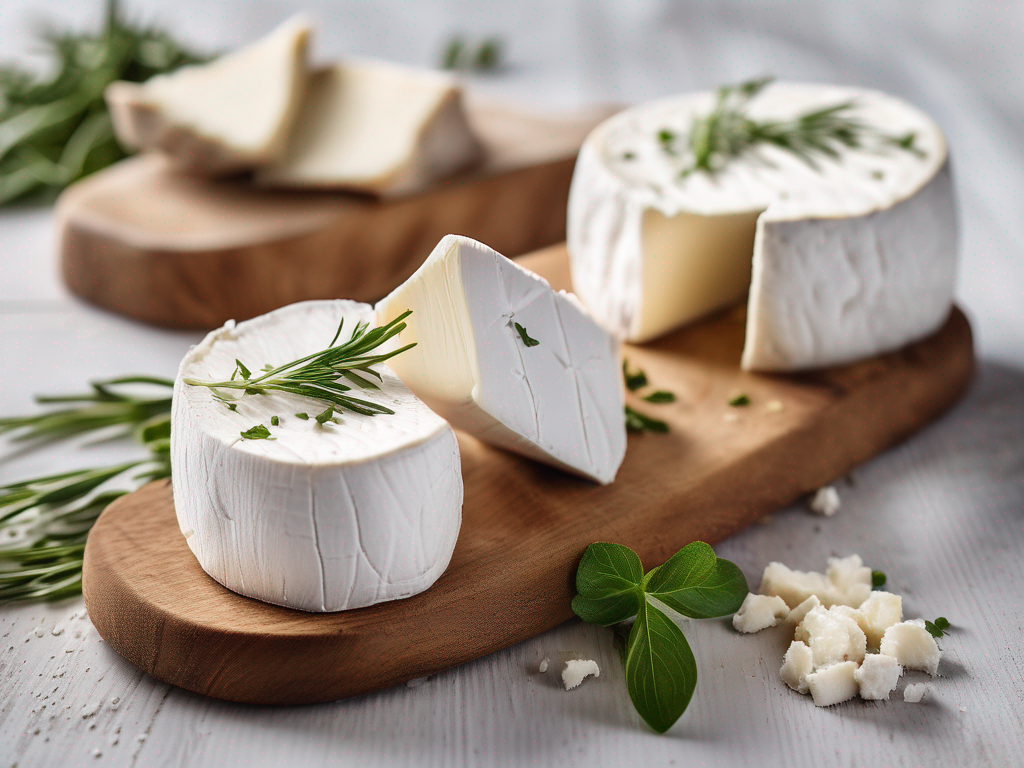
The Ultimate Guide to Storing Goat Cheese Chevre Fresh: Unopened and Opened
The Ultimate Guide to Storing Goat Cheese Chevre Fresh: Unopened and Opened
Are you a fan of the creamy and tangy goodness of goat cheese? If so, you probably want to make sure it stays fresh for as long as possible. Properly storing goat cheese, also known as chevre, is essential to maintaining its flavor and quality. Whether you have a fresh, unopened package or have already opened it, there are specific guidelines to follow to extend its shelf life. In this comprehensive guide, we'll explore the best practices for storing goat cheese chevre fresh, both unopened and opened. (Goat cheese)
Storing Unopened Goat Cheese Chevre Fresh
When you purchase a fresh package of goat cheese chevre, it's crucial to store it properly to maintain its freshness and flavor. Follow these steps to ensure your unopened goat cheese stays delicious for as long as possible:
1. Check the Expiration Date
- Before storing the unopened goat cheese, check the expiration date on the packaging.
- Make sure the cheese is within its best-by date to guarantee its freshness.
2. Store in the Original Packaging
- Keep the goat cheese in its original packaging, which is designed to protect it from moisture and air.
- The packaging helps maintain the cheese's flavor and prevents it from absorbing other odors in the fridge.
3. Store in the Coldest Part of the Fridge
- Place the unopened goat cheese in the coldest part of your refrigerator, typically the back of the bottom shelf.
- Avoid storing it in the door or on the top shelf, as these areas experience temperature fluctuations.
4. Use a Cheese Storage Container
- If the original packaging is damaged or inadequate, transfer the unopened goat cheese to a cheese storage container.
- Cheese storage containers help regulate humidity levels and prevent the cheese from drying out.
5. Keep Away from Strong Odors
- Store the unopened goat cheese away from strong-smelling foods in the fridge.
- Cheese easily absorbs odors, so keep it in a separate area to maintain its delicate flavor.
Storing Opened Goat Cheese Chevre Fresh
Once you've opened the package of goat cheese chevre, it's essential to take extra precautions to ensure its freshness. Follow these guidelines to store opened goat cheese properly:
Dairy products require consistent cold storage to prevent spoilage and bacterial growth. A refrigerator thermometer (Amazon) helps ensure your refrigerator maintains safe temperatures (40°F or below).
1. Re-Wrap the Cheese
- After opening the goat cheese, re-wrap it tightly in wax paper or parchment paper.
- Avoid using plastic wrap directly on the cheese, as it can trap moisture and affect the flavor.
2. Place in an Airtight Container
- Transfer the opened goat cheese to an airtight container to protect it from air exposure.
- Airtight containers help maintain the cheese's moisture content and prevent it from drying out.
3. Store in the Cheese Drawer
- If your refrigerator has a designated cheese or deli drawer, place the opened goat cheese in it.
- The cheese drawer provides a consistent temperature and humidity level ideal for storing cheese.
4. Label with Date
- To keep track of how long the opened goat cheese has been stored, label the container with the date.
- This helps you monitor the cheese's freshness and ensures you use it before it loses its quality.
5. Use it Within a Week
- For the best flavor and texture, try to consume the opened goat cheese within a week of opening.
- While it may still be safe to eat beyond that timeframe, the quality may diminish over time.
common situation
Imagine this: You’ve just come from a delightful dinner party where goat cheese was the star of the appetizer platter. You’ve brought home an extra serving of creamy chevre, and you want to savor it for the next week. Following the guidelines outlined above, you place your unopened goat cheese in the coldest part of your fridge, confident that it will remain fresh.
A few days later, you decide to whip up a gourmet salad for lunch. You open your goat cheese and, remembering to wrap it tightly in parchment paper, you store it in an airtight container. However, life gets busy, and a week goes by before you remember to check on it. Thanks to your effective storage methods, it's still fresh and ready to complement your salad with its tangy flavor!
Another situation: You’re preparing for a family gathering and decide to make a cheese platter featuring various cheeses, including goat cheese. You’ve opened the goat cheese a few days in advance to allow the flavors to develop. You carefully re-wrap it and place it in the cheese drawer, keeping it away from the strong-smelling blue cheese you have stored. When guests arrive, they rave about how fresh and flavorful your goat cheese tastes—a testament to your excellent storage skills!
After opening, transferring dairy into an airtight container (Amazon) can reduce odor absorption, limit moisture exposure, and help slow bacterial growth.
Scientific Context: The Importance of Proper Storage
The preservation of goat cheese's flavor and texture can significantly depend on proper storage techniques. Goat cheese, like many dairy products, is sensitive to temperature and humidity changes. When stored improperly, it can lead to the growth of unwanted bacteria or mold, which can spoil the cheese.
From a scientific standpoint, goat cheese is made up of proteins and fats that can oxidize when exposed to air. This oxidation can lead to rancidity and off-flavors. By sealing the cheese properly in airtight containers and minimizing its exposure to air, you can extend its shelf life significantly.
Additionally, goat cheese has a higher moisture content compared to harder cheeses, making it more susceptible to mold growth if stored incorrectly. Keeping it wrapped in appropriate materials and away from strong odors helps maintain its delicate balance of flavor and texture.
Common Mistakes to Avoid
Many people unknowingly make mistakes when storing goat cheese chevre, which can lead to spoiled cheese. Here are some common pitfalls:
-
Freezing Goat Cheese: While it’s possible to freeze goat cheese, many people do this without realizing it can change its texture. The creaminess may be compromised, leading to a crumbly texture once thawed. If you must freeze it, consider using it in cooked dishes where texture is less of a concern.
-
Using Plastic Wrap: Many people default to using plastic wrap for storage, believing it provides an airtight seal. However, plastic can trap moisture against the cheese, causing it to become slimy. Instead, opt for wax or parchment paper.
-
Ignoring Temperature Fluctuations: Storing goat cheese in the refrigerator door is convenient, but it exposes the cheese to temperature fluctuations every time the door is opened. This can lead to spoilage faster than you might expect.
-
Not Checking for Signs of Spoilage: Some individuals may not recognize the signs of spoilage, such as off odors or mold that doesn’t look normal. Always inspect your cheese before consumption.
Practical Tips for Longer Shelf Life
To maximize the longevity of your goat cheese, consider these additional practical tips:
-
Use a Cheese Dome: If you frequently enjoy goat cheese, investing in a cheese dome can be beneficial. It allows for air circulation while protecting the cheese from contaminants.
-
Maintain a Consistent Fridge Temperature: Make sure your refrigerator is set to 34-38°F (1-3°C). This range is ideal for preserving the quality of dairy products, including goat cheese.
-
Avoid Cross-Contamination: When serving goat cheese, use clean utensils each time to prevent introducing bacteria that can speed up spoilage.
-
Experiment with Pairings: If you notice your goat cheese nearing its expiration date, consider using it in various dishes to finish it off. Goat cheese can elevate salads, pasta, and even desserts.
Expert Insights: Professional Recommendations
Food safety experts recommend keeping a keen eye on best practices when storing any cheese, including goat cheese. It's essential to familiarize yourself with the characteristics of the cheese you're storing. Goat cheese, being more fragile than hard cheeses, requires tender loving care.
Listen to advice from cheesemakers and dairy specialists: they often share that cheese is best enjoyed fresh. If you find yourself with excess cheese that you can’t finish, consider gifting it to a friend or adding it to a potluck dish.
Safety Warnings
Always be cautious when it comes to food storage. If your goat cheese exhibits any unusual changes—such as a sour smell, slimy texture, or unexpected colors—it's wise to err on the side of caution and discard it. Consuming spoiled cheese can lead to foodborne illnesses.
Conclusion
Properly storing goat cheese chevre fresh, whether unopened or opened, is essential to preserving its flavor and quality. By following the guidelines outlined in this comprehensive guide, you can extend the shelf life of your goat cheese and enjoy its delicious taste for longer. Remember to check the expiration date, store in the coldest part of the fridge, use airtight containers, and consume opened cheese within a week for the best results. With these tips, you can savor the creamy goodness of goat cheese chevre fresh every time you indulge.
Now that you know how to store goat cheese chevre fresh, put these practices into action and enjoy the delightful flavors of this beloved cheese for longer periods. (Goat cheese)
Related Posts
Here are some other articles you might find helpful:
- Comprehensive Guide to Storing Goat Cheese Crumbles Commercially Packaged Unopened Package in the Pantry
- Tips for Preserving Fresh Spinach for Longer Shelf Life
- How to Store Fresh Spinach in the Refrigerator to Keep it from Wilting
- The Best Way to Store Goat Cheese Chevre Fresh - Unopened or Opened
- The Best Way to Store Goat Cheese to Prevent Spoilage
Authoritative Food Safety References
These agencies and university labs inform every tip and health precaution we publish.
USDA FoodKeeper – Cold Storage Guidelines
Official refrigerator, freezer, and pantry timelines maintained by the U.S. Department of Agriculture.
Visit USDA FoodKeeperFDA Produce Safety Rule & Grower Guidance
Field-to-fridge handling practices that prevent contamination of fruits, vegetables, and leafy greens.
Visit FDA Produce SafetyCDC Foodborne Illness Prevention Hub
Surveillance-backed guidance on pathogens, symptoms, and steps to reduce foodborne illness risk.
Visit CDC Food SafetyUC Davis Postharvest Technology Center
University research detailing optimal storage atmospheres for produce after harvest.
Visit UC Davis PostharvestPenn State Extension – Home Food Preservation & Safety
Peer-reviewed extension bulletins on safe canning, chilling, and reheating practices.
Visit Penn State ExtensionDisclosure: As an Amazon Associate, we earn from qualifying purchases. This helps support our site and allows us to continue providing free food safety information.