How to Properly Store Durian to Extend Its Shelf Life
How to Properly Store Durian to Extend Its Shelf Life
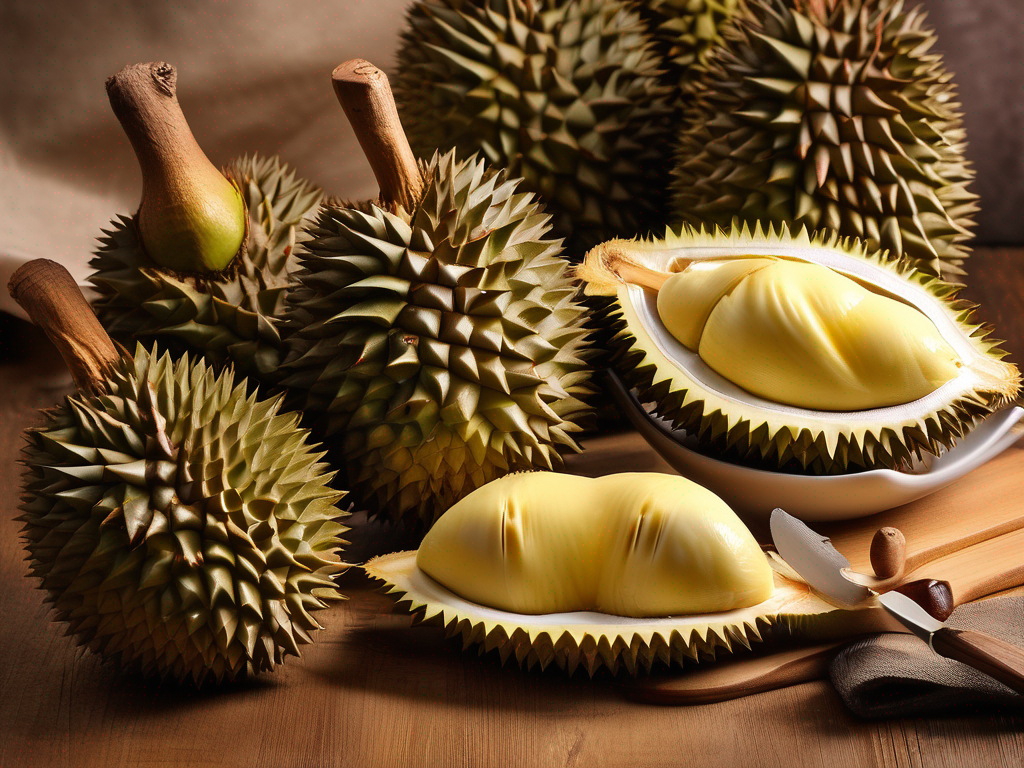
Durian, also known as the "king of fruits," is a tropical fruit loved by many for its unique taste and aroma. However, durian can be a tricky fruit to store due to its strong smell and delicate nature. Proper storage is essential to extend the shelf life of durian and preserve its quality. In this article, we will discuss the best practices for storing durian to keep it fresh and delicious for longer. (Durian)
Understanding Durian Storage
Durian is a highly perishable fruit that needs to be stored correctly to prevent it from spoiling quickly. The key factors to consider when storing durian include temperature, humidity, and air circulation. Improper storage can lead to a loss of flavor, texture, and aroma. Here are some essential tips for storing durian:
1. Choose the Right Durian
- Select durian fruits that are ripe but not overripe. Overripe durians may spoil faster during storage.
- Check for any signs of damage or mold on the durian's skin before purchasing.
2. Store at the Right Temperature
- Durian should be stored at a cool temperature to slow down the ripening process and preserve its freshness.
- Ideally, durian should be kept at temperatures between 50-55°F (10-13°C) in a refrigerator to extend its shelf life.
3. Proper Packaging
- Store durian in airtight containers or plastic wrap to contain its strong smell and prevent it from affecting other foods in the refrigerator.
- Use odor-proof bags or containers specifically designed for storing durian to minimize the smell.
4. Avoid Freezing Durian
- While durian can be frozen for longer storage, freezing can alter its texture and flavor. Fresh durian is best enjoyed within a few days of purchase.
5. Check for Spoilage
- Regularly inspect the durian for any signs of spoilage, such as mold, off smells, or changes in color and texture. Discard any spoiled pieces immediately to prevent contamination.
Tips for Storing Durian
Now that you understand the basics of durian storage, here are some additional tips to help you store durian effectively:
Proper airflow and humidity control can significantly extend produce freshness. Many households use produce storage containers (Amazon) in the refrigerator to regulate moisture and slow spoilage.
- Wrap the durian tightly: Use plastic wrap or aluminum foil to tightly wrap the durian, ensuring that it is sealed properly to contain the smell.
- Store in the fridge: Place the wrapped durian in the refrigerator, preferably in the crisper drawer to maintain the right humidity levels.
- Use airtight containers: If you prefer storing durian in containers, choose airtight, odor-proof containers to prevent the smell from spreading.
- Avoid direct sunlight: Keep durian away from direct sunlight or heat sources, as exposure to light and heat can accelerate the ripening process.
- Consume quickly: Durian is best consumed fresh, so try to eat it within 2-3 days of purchase for the best taste and texture.
Conclusion
Proper storage is crucial to preserving the freshness and flavor of durian. By following the tips outlined in this article, you can extend the shelf life of durian and enjoy this exotic fruit at its best. Remember to store durian in a cool, airtight environment, check for spoilage regularly, and consume it promptly for the most satisfying culinary experience. Durian is a delicacy worth savoring, so make sure to store it properly to make the most of this unique fruit. (Durian)
Authoritative Food Safety References
These agencies and university labs inform every tip and health precaution we publish.
USDA FoodKeeper – Cold Storage Guidelines
Official refrigerator, freezer, and pantry timelines maintained by the U.S. Department of Agriculture.
Visit USDA FoodKeeperFDA Produce Safety Rule & Grower Guidance
Field-to-fridge handling practices that prevent contamination of fruits, vegetables, and leafy greens.
Visit FDA Produce SafetyCDC Foodborne Illness Prevention Hub
Surveillance-backed guidance on pathogens, symptoms, and steps to reduce foodborne illness risk.
Visit CDC Food SafetyUC Davis Postharvest Technology Center
University research detailing optimal storage atmospheres for produce after harvest.
Visit UC Davis PostharvestPenn State Extension – Home Food Preservation & Safety
Peer-reviewed extension bulletins on safe canning, chilling, and reheating practices.
Visit Penn State ExtensionDisclosure: As an Amazon Associate, we earn from qualifying purchases. This helps support our site and allows us to continue providing free food safety information.