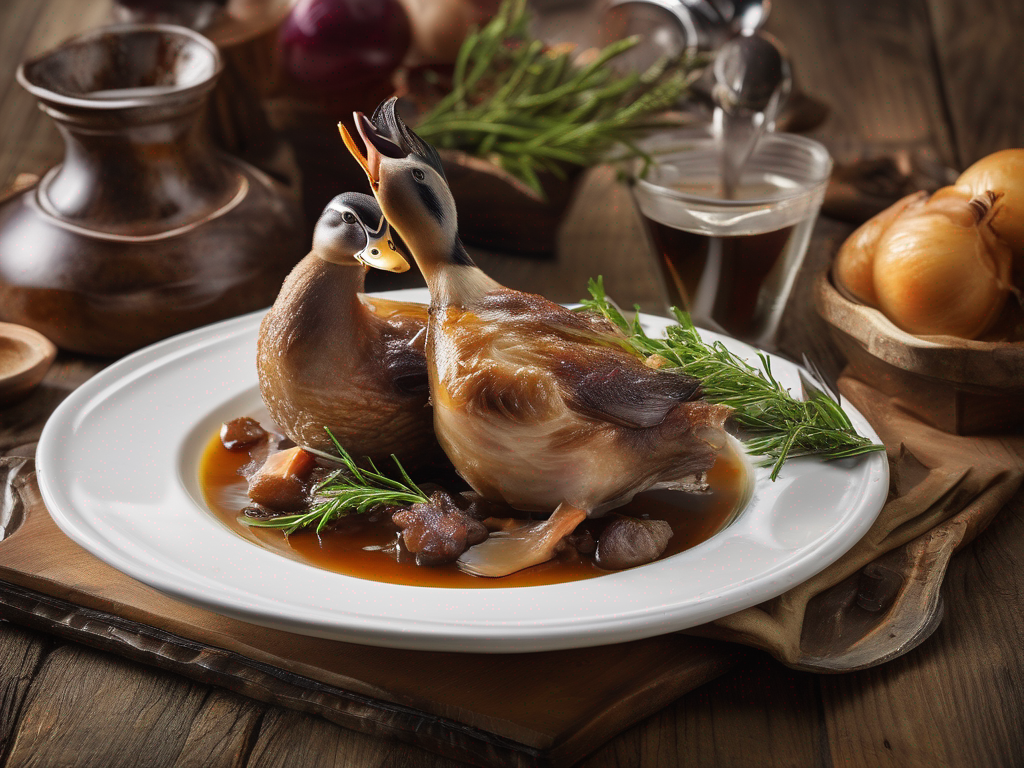
The Ultimate Guide to Properly Storing Duck Confit for Optimal Freshness
The Ultimate Guide to Properly Storing Duck Confit for Optimal Freshness
Duck confit is a classic French dish known for its rich, savory flavors and tender, succulent meat. Whether you've made a batch yourself or purchased it from a gourmet store, proper storage is key to maintaining its quality and flavor. In this guide, we'll cover everything you need to know about storing duck confit to ensure it stays fresh and delicious for as long as possible. (Duck confit)
Why Proper Storage Matters for Duck Confit
Properly storing duck confit is crucial for maintaining its taste, texture, and safety. Here are some reasons why you should pay attention to storage:
Preserving Flavor and Texture
- Storing duck confit correctly helps preserve its delicate flavors and tender texture.
- Exposure to air, light, and heat can cause the meat to become dry and lose its delicious taste.
Safety Concerns
- Improper storage can lead to bacterial growth and foodborne illnesses.
- Duck confit contains high levels of fat, which can become rancid if not stored correctly.
Tips for Storing Duck Confit
Follow these tips to ensure your duck confit stays fresh and flavorful:
Proper cooking temperatures are essential for food safety. An instant-read food thermometer (Amazon) helps ensure meat reaches safe internal temperatures and reduces the risk of foodborne illness.
1. Refrigeration
- Store duck confit in an airtight container or vacuum-sealed bag to prevent air and moisture from affecting the meat.
- Place it in the coldest part of the refrigerator, typically the back of the bottom shelf, where the temperature is most consistent.
2. Freezing
- If you won't be consuming the duck confit within a few days, consider freezing it for long-term storage.
- Wrap the duck confit tightly in plastic wrap or aluminum foil before placing it in a freezer-safe container.
- Label the container with the date of freezing to keep track of its freshness.
3. Thawing
- When ready to eat, thaw frozen duck confit in the refrigerator overnight to ensure even thawing.
- Avoid thawing at room temperature, as this can promote bacterial growth and compromise safety.
4. Reheating
- Reheat duck confit gently in a skillet or oven to preserve its texture and flavors.
- Avoid overheating, as this can dry out the meat and affect its taste.
5. Storage Duration
- Duck confit can be stored in the refrigerator for up to 1 week.
- If frozen, it can last for up to 3 months without significant quality loss.
Safety Precautions
When storing duck confit, keep the following safety precautions in mind:
Temperature Control
- Keep the refrigerator temperature at 40°F (4°C) or below to prevent bacterial growth.
- Freezer temperature should be 0°F (-18°C) or lower to maintain food quality.
Hygiene Practices
- Wash your hands thoroughly before handling duck confit to prevent contamination.
- Use clean utensils and containers when storing and serving the dish.
Signs of Spoilage
- Discard duck confit if you notice any signs of spoilage, such as a sour smell, slimy texture, or off-color appearance.
- Trust your senses and err on the side of caution when in doubt about the freshness of the meat.
Conclusion
Properly storing duck confit is essential for preserving its flavor, texture, and safety. By following the tips outlined in this guide, you can enjoy this delectable dish at its best for an extended period. Remember to prioritize temperature control, hygiene practices, and proper storage techniques to ensure a delightful dining experience every time you indulge in duck confit.
For more information on duck confit, [click here](/food/duck confit). Enjoy your culinary adventures with this exquisite French delicacy! (Duck confit)
Refrigerator temperature fluctuations can accelerate spoilage and increase food safety risks. A refrigerator thermometer (Amazon) helps monitor consistent cold storage (40°F or below).
Authoritative Food Safety References
These agencies and university labs inform every tip and health precaution we publish.
USDA FoodKeeper – Cold Storage Guidelines
Official refrigerator, freezer, and pantry timelines maintained by the U.S. Department of Agriculture.
Visit USDA FoodKeeperFDA Produce Safety Rule & Grower Guidance
Field-to-fridge handling practices that prevent contamination of fruits, vegetables, and leafy greens.
Visit FDA Produce SafetyCDC Foodborne Illness Prevention Hub
Surveillance-backed guidance on pathogens, symptoms, and steps to reduce foodborne illness risk.
Visit CDC Food SafetyUC Davis Postharvest Technology Center
University research detailing optimal storage atmospheres for produce after harvest.
Visit UC Davis PostharvestPenn State Extension – Home Food Preservation & Safety
Peer-reviewed extension bulletins on safe canning, chilling, and reheating practices.
Visit Penn State ExtensionDisclosure: As an Amazon Associate, we earn from qualifying purchases. This helps support our site and allows us to continue providing free food safety information.