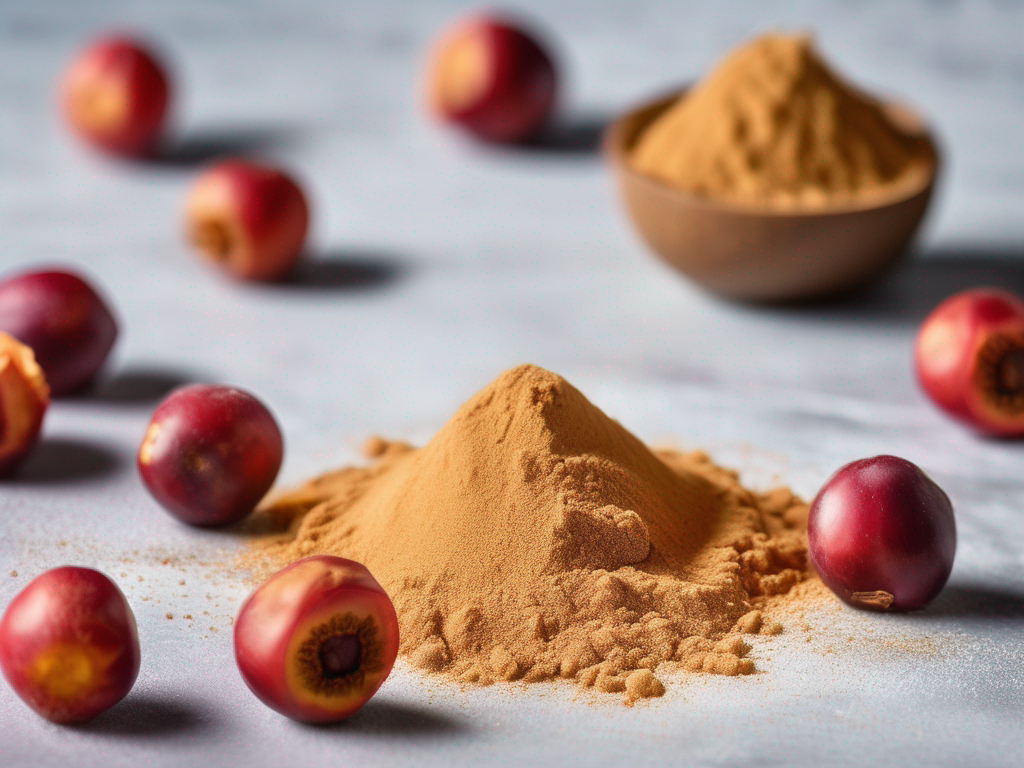
How to Properly Store Camu Camu Powder for Maximum Freshness
How to Properly Store Camu Camu Powder for Maximum Freshness
Camu camu powder is a nutrient-dense nutrient-containing food derived from the camu camu berry, which is native to the Amazon rainforest. This potent powder is rich in vitamin C, antioxidants, and other beneficial compounds, making it a popular choice for boosting immunity and overall health. To ensure that your camu camu powder remains fresh and potent, proper storage is essential. In this guide, we will explore the best practices for storing camu camu powder to preserve its quality and maximize its shelf life. (Camu camu powder)
Understanding Camu Camu Powder
Before delving into storage tips, let's first understand the characteristics of camu camu powder that make it susceptible to degradation:
- High Vitamin C Content: Camu camu powder is renowned for its exceptionally high vitamin C content, which is a sensitive nutrient that can degrade when exposed to light, heat, and air.
- Antioxidant Properties: The antioxidants in camu camu powder are key to its nutritional quality. Protecting these compounds from oxidation is crucial for maintaining the powder's potency.
- Hygroscopic Nature: Camu camu powder has hygroscopic properties, meaning it can absorb moisture from the environment. Moisture exposure can lead to clumping and spoilage.
Best Practices for Storing Camu Camu Powder
To preserve the freshness and efficacy of your camu camu powder, follow these storage guidelines:
Proper airflow and humidity control can significantly extend produce freshness. Many households use produce storage containers (Amazon) in the refrigerator to regulate moisture and slow spoilage.
1. Choose the Right Container
Selecting the appropriate container is the first step in ensuring optimal storage conditions for camu camu powder:
- Dark, Airtight Container: Store camu camu powder in a dark, airtight container to protect it from light and air exposure, which can degrade its nutrient content.
- Opaque Packaging: Opt for opaque containers or packaging to shield the powder from light, as UV rays can diminish the potency of vitamin C and antioxidants.
2. Store in a Cool, Dark Place
Proper storage conditions play a significant role in preserving the quality of camu camu powder:
- Cool Environment: Keep the container in a cool, dry place away from direct sunlight and heat sources. Ideal storage temperatures range from 60°F to 70°F.
- Avoid Moisture: Prevent exposure to moisture by storing the powder in a dry environment. Moisture can cause clumping and spoilage.
3. Seal the Container Properly
Maintaining an airtight seal is crucial for preventing air and moisture from compromising the integrity of camu camu powder:
- Secure Lid: Ensure the container has a tight-fitting lid that seals completely to prevent air from entering.
- Avoid Condensation: Prevent condensation inside the container by sealing it tightly after each use and avoiding temperature fluctuations.
4. Minimize Exposure to Air
Limiting air exposure is essential for preserving the vitamin C content and overall quality of camu camu powder:
- Use a Smaller Container: Transfer the powder to a smaller container as you use it to minimize the air space within the container.
- Avoid Frequent Opening: Limit the frequency of opening the container to reduce oxygen exposure. Scoop out the desired amount quickly and seal the container promptly.
5. Check for Signs of Spoilage
Regularly inspect your camu camu powder for any signs of spoilage to ensure its safety and efficacy:
- Color and Aroma: Fresh camu camu powder should have a vibrant color and a fruity aroma. Discard the powder if it appears discolored or has a rancid smell.
- Texture: Clumping or caking of the powder indicates moisture absorption. Break up any clumps and use the powder promptly to prevent further spoilage.
Conclusion
Proper storage is essential for maintaining the freshness and nutritional value of camu camu powder. By following these guidelines and storing the powder in a cool, dark, and airtight container, you can prolong its shelf life and enjoy its nutritional quality to the fullest. Remember to check the powder periodically for any signs of spoilage and use it within the recommended timeframe for optimal results. With the right storage practices, you can savor the goodness of camu camu powder in your daily wellness routine.
For more information on camu camu powder and its benefits, [click here](/food/camu camu powder). (Camu camu powder)
Related Posts
Here are some other articles you might find helpful:
Authoritative Food Safety References
These agencies and university labs inform every tip and health precaution we publish.
USDA FoodKeeper – Cold Storage Guidelines
Official refrigerator, freezer, and pantry timelines maintained by the U.S. Department of Agriculture.
Visit USDA FoodKeeperFDA Produce Safety Rule & Grower Guidance
Field-to-fridge handling practices that prevent contamination of fruits, vegetables, and leafy greens.
Visit FDA Produce SafetyCDC Foodborne Illness Prevention Hub
Surveillance-backed guidance on pathogens, symptoms, and steps to reduce foodborne illness risk.
Visit CDC Food SafetyUC Davis Postharvest Technology Center
University research detailing optimal storage atmospheres for produce after harvest.
Visit UC Davis PostharvestPenn State Extension – Home Food Preservation & Safety
Peer-reviewed extension bulletins on safe canning, chilling, and reheating practices.
Visit Penn State ExtensionDisclosure: As an Amazon Associate, we earn from qualifying purchases. This helps support our site and allows us to continue providing free food safety information.