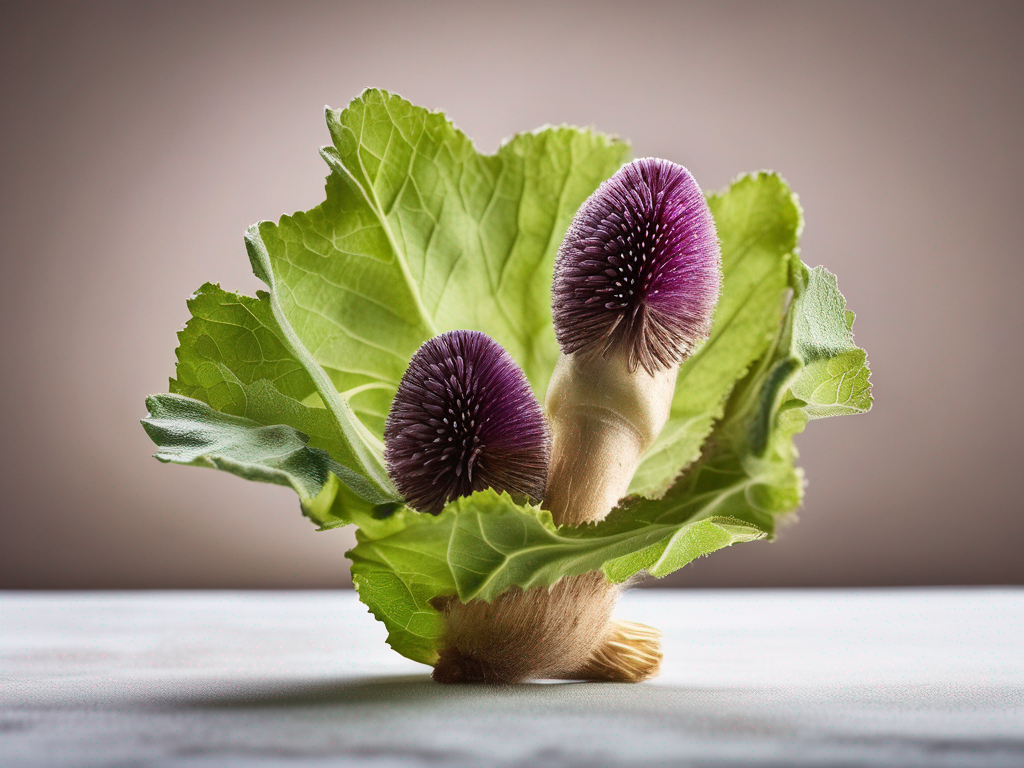
Proper Storage of Burdock: Extending Shelf Life
Proper Storage of Burdock: Extending Shelf Life
Burdock, also known as Arctium lappa, is a versatile root vegetable often used in culinary dishes for its unique flavor and nutritional quality. Proper storage of burdock is essential to maintain its freshness, flavor, and nutritional value. In this guide, we will explore the best practices for storing burdock to extend its shelf life and ensure food safety. (Burdock)
Understanding Burdock
Burdock is a root vegetable with a mild, earthy flavor and a crunchy texture. It is rich in antioxidants, fiber, and essential nutrients such as vitamin B6, potassium, and manganese. Burdock is commonly used in stir-fries, soups, stews, and teas for its health-promoting properties.
nutritional quality of Burdock
- Supports digestion and gut health
- Detoxifies the body and promotes liver function
- Boosts the immune system
- Regulates blood sugar levels
Selecting Fresh Burdock
Before storing burdock, it is crucial to choose fresh, high-quality roots. When selecting burdock at the grocery store or farmers' market, look for the following signs of freshness:
Proper cooking temperatures are essential for food safety. An instant-read food thermometer (Amazon) helps ensure meat reaches safe internal temperatures and reduces the risk of foodborne illness.
- Firm texture and no soft spots
- Smooth skin without blemishes or mold
- Vibrant color and no signs of wilting
- Earthy aroma indicating freshness
Proper Storage Techniques
Proper storage is key to preserving the quality of burdock and preventing spoilage. Follow these guidelines to extend the shelf life of burdock:
1. Refrigeration
- Wrap burdock roots in a damp paper towel to maintain moisture.
- Place the wrapped burdock in a plastic bag or airtight container.
- Store in the vegetable crisper drawer of the refrigerator.
2. Temperature and Humidity
- Store burdock at temperatures between 32°F and 40°F (0°C to 4°C).
- Maintain a high humidity level of around 90% to prevent dehydration.
3. Avoiding Ethylene Exposure
- Keep burdock away from ethylene-producing fruits such as apples, bananas, and tomatoes.
- Ethylene can accelerate the ripening process and cause burdock to spoil faster.
4. Proper Ventilation
- Do not store burdock in a sealed plastic bag without ventilation.
- Allow for some airflow to prevent the buildup of moisture and mold.
5. Check for Sprouting
- Inspect stored burdock regularly for any signs of sprouting or mold.
- Remove any sprouted or spoiled areas to prevent contamination.
Safety Tips for Storing Burdock
Ensuring food safety is essential when storing burdock to prevent foodborne illness. Follow these safety tips to handle and store burdock properly:
- Wash hands thoroughly before and after handling burdock.
- Clean cutting boards, knives, and countertops with hot, soapy water.
- Store burdock away from raw meats, poultry, and seafood to prevent cross-contamination.
- Use separate cutting boards for vegetables and meats to avoid bacterial contamination.
Conclusion
Proper storage of burdock is essential to maintain its freshness, flavor, and nutritional value. By following the guidelines outlined in this guide, you can extend the shelf life of burdock and enjoy its nutritional quality in your culinary creations. Remember to select fresh burdock, refrigerate it properly, and follow safety measures to ensure the quality and safety of this versatile root vegetable.
Refrigerator temperature fluctuations can accelerate spoilage and increase food safety risks. A refrigerator thermometer (Amazon) helps monitor consistent cold storage (40°F or below).
For more information on burdock and other food storage tips, visit burdock. Happy cooking and stay safe! (Burdock)
Authoritative Food Safety References
These agencies and university labs inform every tip and health precaution we publish.
USDA FoodKeeper – Cold Storage Guidelines
Official refrigerator, freezer, and pantry timelines maintained by the U.S. Department of Agriculture.
Visit USDA FoodKeeperFDA Produce Safety Rule & Grower Guidance
Field-to-fridge handling practices that prevent contamination of fruits, vegetables, and leafy greens.
Visit FDA Produce SafetyCDC Foodborne Illness Prevention Hub
Surveillance-backed guidance on pathogens, symptoms, and steps to reduce foodborne illness risk.
Visit CDC Food SafetyUC Davis Postharvest Technology Center
University research detailing optimal storage atmospheres for produce after harvest.
Visit UC Davis PostharvestPenn State Extension – Home Food Preservation & Safety
Peer-reviewed extension bulletins on safe canning, chilling, and reheating practices.
Visit Penn State ExtensionDisclosure: As an Amazon Associate, we earn from qualifying purchases. This helps support our site and allows us to continue providing free food safety information.