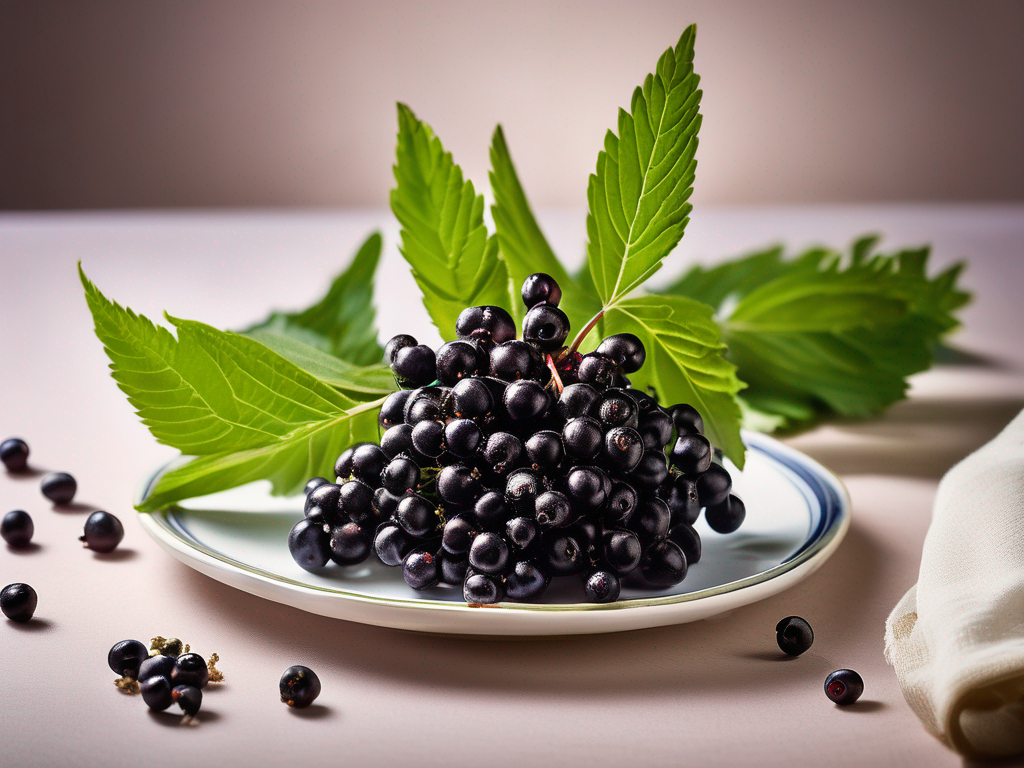
Proper Storage Tips for Black Elderberry to Extend Shelf Life
Proper Storage Tips for Black Elderberry to Extend Shelf Life
Black elderberry is a popular and versatile ingredient known for its immune-boosting properties and delicious flavor. Whether you use it in jams, syrups, or supplements, proper storage is essential to maintain its freshness and potency. In this blog post, we will discuss how to store black elderberry correctly to extend its shelf life and ensure food safety. (Black elderberry)
Understanding Black Elderberry
Before diving into storage tips, let's take a closer look at black elderberry. [Black elderberry](/food/black elderberry), scientifically known as Sambucus nigra, is a dark purple berry that grows on the elder tree. It is rich in antioxidants, vitamins, and minerals, making it a valuable addition to a healthy diet. Black elderberry is commonly used in various culinary and medicinal applications, including syrups, teas, and supplements.
Importance of Proper Storage
Proper storage is crucial for preserving the quality and safety of black elderberry products. Exposure to light, heat, air, and moisture can degrade the nutrients and flavor of the berries, leading to spoilage and potential health risks. By following the right storage practices, you can prolong the shelf life of black elderberry and enjoy its benefits for longer.
Tips for Storing Black Elderberry
Here are some practical tips to help you store black elderberry effectively:
-
Choose the Right Container: Use airtight containers such as glass jars or resealable bags to store dried black elderberries. Make sure the container is clean and dry before transferring the berries.
-
Store in a Cool, Dark Place: Black elderberries are sensitive to light and heat, which can accelerate spoilage. Keep the berries in a cool, dark pantry or cupboard away from direct sunlight and heat sources.
-
Avoid Moisture: Moisture can cause mold growth and spoilage in black elderberries. Ensure the storage container is tightly sealed and free from any moisture or humidity.
-
Label and Date the Container: To keep track of the storage time and ensure freshness, label the container with the date of storage. This will help you use the berries within a reasonable timeframe.
-
Rotate Stock: If you use black elderberries regularly, practice FIFO (First In, First Out) rotation to use the oldest berries first and maintain freshness.
Additional Tips for Specific Black Elderberry Products
- Fresh Berries: Store fresh black elderberries in the refrigerator in a perforated plastic bag to maintain freshness. Use them within a few days for the best flavor.
- Dried Berries: Keep dried black elderberries in airtight containers in a cool, dark pantry. Check for any signs of mold or spoilage before use.
- Syrups and Extracts: Follow the manufacturer's instructions for storing syrups and extracts. Typically, these products should be kept in the refrigerator after opening.
Safety Precautions
When storing black elderberry, it's essential to follow food safety guidelines to prevent contamination and ensure the berries are safe to consume. Here are some safety precautions to keep in mind:
- Wash your hands before handling black elderberries to prevent cross-contamination.
- Check the berries for any signs of mold, discoloration, or off-odors before use.
- Avoid storing black elderberries near strong-smelling foods or chemicals that could affect their flavor.
- If using fresh berries, wash them thoroughly under running water before consumption.
By following these safety precautions and storage tips, you can enjoy the benefits of black elderberry while ensuring food safety.
Conclusion
Proper storage is key to preserving the freshness and potency of black elderberry products. By storing them in a cool, dark place, avoiding moisture, and following safety precautions, you can extend the shelf life of black elderberry and enjoy its nutritional benefits for longer. Remember to check the berries regularly for any signs of spoilage and use them within a reasonable timeframe to maximize their quality. With the right storage practices, you can make the most of this versatile ingredient in your culinary creations and health routines. (Black elderberry)
Related Posts
Here are some other articles you might find helpful:
Authoritative Food Safety References
These agencies and university labs inform every tip and health precaution we publish.
USDA FoodKeeper – Cold Storage Guidelines
Official refrigerator, freezer, and pantry timelines maintained by the U.S. Department of Agriculture.
Visit USDA FoodKeeperFDA Produce Safety Rule & Grower Guidance
Field-to-fridge handling practices that prevent contamination of fruits, vegetables, and leafy greens.
Visit FDA Produce SafetyCDC Foodborne Illness Prevention Hub
Surveillance-backed guidance on pathogens, symptoms, and steps to reduce foodborne illness risk.
Visit CDC Food SafetyUC Davis Postharvest Technology Center
University research detailing optimal storage atmospheres for produce after harvest.
Visit UC Davis PostharvestPenn State Extension – Home Food Preservation & Safety
Peer-reviewed extension bulletins on safe canning, chilling, and reheating practices.
Visit Penn State Extension