How to Properly Store Baking Soda in Humid Climates
How to Properly Store Baking Soda in Humid Climates
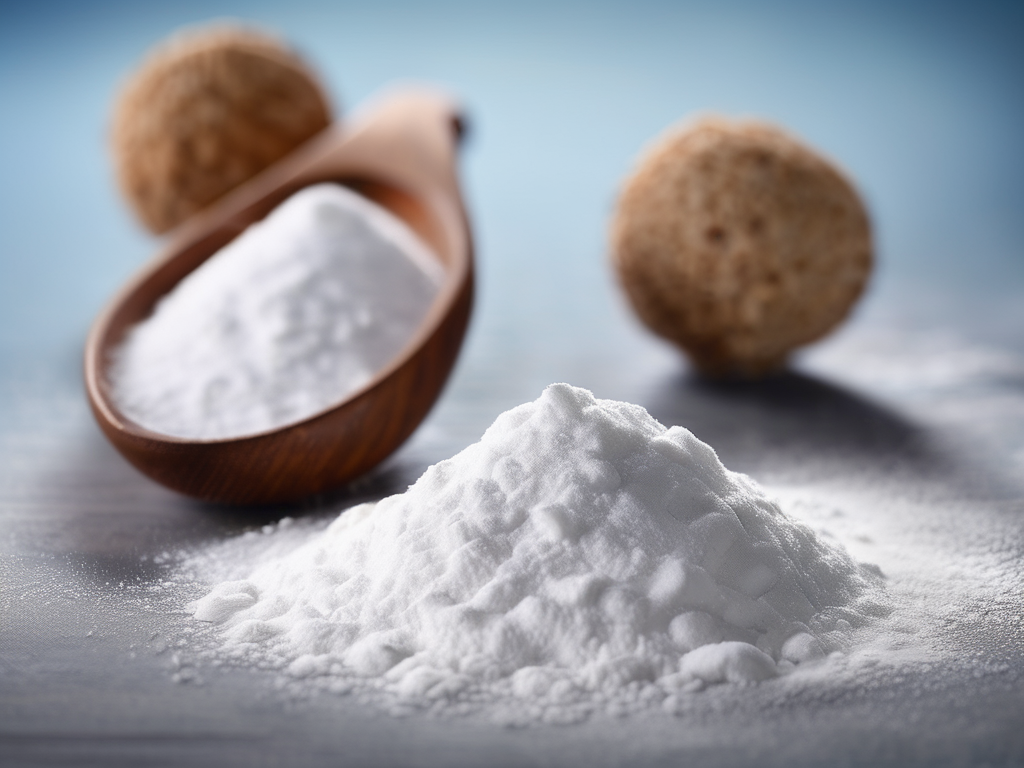
In a humid climate, moisture in the air can affect the quality and effectiveness of pantry staples like baking soda. Baking soda, also known as sodium bicarbonate, is a versatile ingredient that is used in baking, cleaning, and even personal care. Proper storage of baking soda is essential to maintain its potency and usability. In this blog post, we will discuss how to store baking soda in humid climates to ensure its longevity and effectiveness. (Baking soda)
Understanding the Impact of Humidity on Baking Soda
Humidity can cause baking soda to clump and harden, making it difficult to measure and use in recipes. Additionally, moisture can react with baking soda, reducing its leavening power and affecting the outcome of baked goods. To prevent these issues, it is important to store baking soda properly in humid environments.
Tips for Storing Baking Soda in Humid Climates
Here are some practical tips to help you store baking soda effectively in a humid climate:
-
Choose the Right Container: Opt for an airtight container to prevent moisture from seeping in and affecting the baking soda. A glass or plastic container with a tight-fitting lid is ideal for storing baking soda.
-
Avoid Exposure to Heat and Light: Store the container of baking soda in a cool, dry place away from direct sunlight. Heat and light can accelerate the degradation of baking soda, reducing its effectiveness.
-
Use Silica Gel Packs: Placing silica gel packs inside the container can help absorb excess moisture and keep the baking soda dry. Make sure the silica gel packs are food-safe and replace them regularly.
-
Divide into Smaller Portions: If you do not use baking soda frequently, consider dividing it into smaller portions and storing them individually. This minimizes exposure to air and moisture when you only open one portion at a time.
-
Label and Date the Container: To ensure you use fresh baking soda, label the container with the date of purchase or opening. This helps you track the freshness of the baking soda and avoid using old or expired product.
Safety Precautions for Storing Baking Soda
While baking soda is generally safe to use, it is important to keep a few safety precautions in mind when storing it:
- Keep baking soda out of reach of children and pets to prevent accidental ingestion.
- Avoid storing baking soda near strong-smelling foods or chemicals, as it can absorb odors easily.
- If you notice any discoloration or unusual odor in the baking soda, it is best to discard it and replace it with a fresh batch.
Conclusion
Proper storage of baking soda is crucial to maintain its quality and effectiveness, especially in humid climates. By following the tips outlined in this blog post, you can ensure that your baking soda remains dry, clump-free, and ready to use whenever you need it. Remember to store baking soda in an airtight container, away from heat and light, and consider using silica gel packs to absorb excess moisture. With the right storage practices, you can prolong the shelf life of your baking soda and enjoy consistent can increase the likelihood of your baking and cleaning endeavors. [Learn more about baking soda here](/food/baking soda). (Baking soda)
Authoritative Food Safety References
These agencies and university labs inform every tip and health precaution we publish.
USDA FoodKeeper – Cold Storage Guidelines
Official refrigerator, freezer, and pantry timelines maintained by the U.S. Department of Agriculture.
Visit USDA FoodKeeperFDA Produce Safety Rule & Grower Guidance
Field-to-fridge handling practices that prevent contamination of fruits, vegetables, and leafy greens.
Visit FDA Produce SafetyCDC Foodborne Illness Prevention Hub
Surveillance-backed guidance on pathogens, symptoms, and steps to reduce foodborne illness risk.
Visit CDC Food SafetyUC Davis Postharvest Technology Center
University research detailing optimal storage atmospheres for produce after harvest.
Visit UC Davis PostharvestPenn State Extension – Home Food Preservation & Safety
Peer-reviewed extension bulletins on safe canning, chilling, and reheating practices.
Visit Penn State Extension