The Ultimate Guide to Properly Storing Bagels
The Ultimate Guide to Properly Storing Bagels
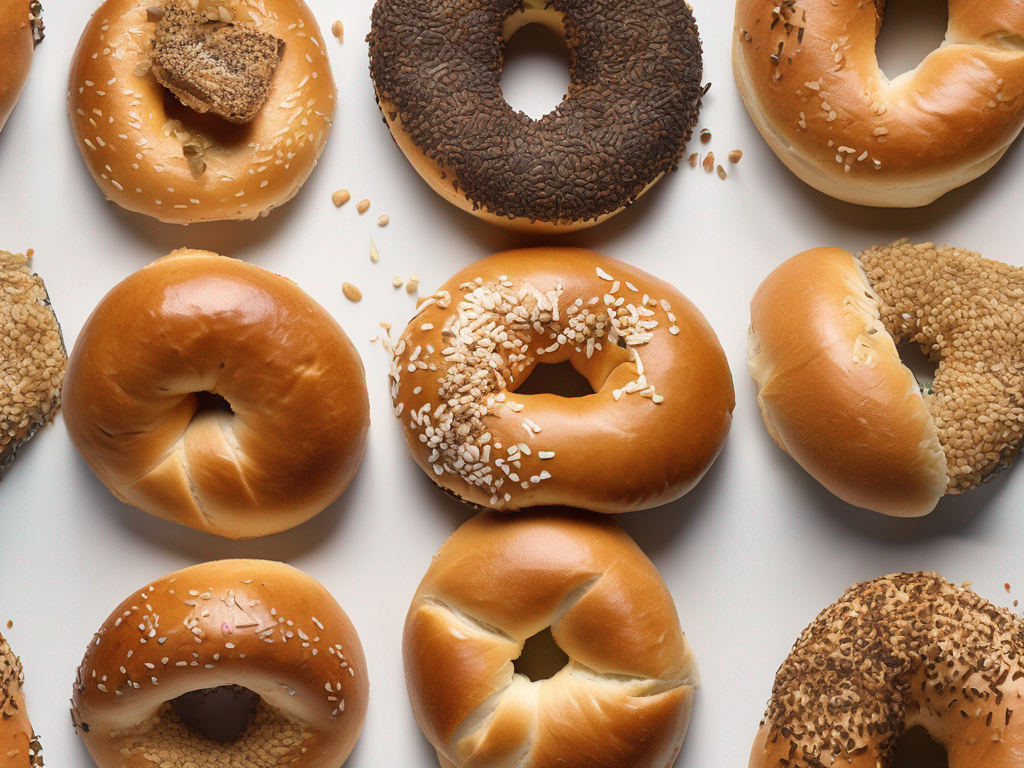
Bagels are a beloved breakfast and snack option for many people around the world. Their chewy texture and delicious flavors make them a popular choice for a quick and satisfying meal. However, to ensure that your bagels stay fresh and tasty for as long as possible, proper storage is key. In this comprehensive guide, we will explore the best practices for storing bagels to prevent them from going bad too quickly. (Bagels)
Why Proper Storage Matters
Properly storing bagels is essential for maintaining their freshness and flavor. When exposed to air, moisture, or heat, bagels can quickly become stale, moldy, or even unsafe to eat. By following the right storage techniques, you can extend the shelf life of your bagels and enjoy them at their best for longer.
Factors That Affect Bagel Freshness
Before diving into storage tips, it's important to understand the factors that can impact the freshness of your bagels:
- Air Exposure: Exposure to air can cause bagels to dry out and become stale.
- Moisture: Excess moisture can lead to mold growth on bagels.
- Temperature: Bagels stored at the wrong temperature can spoil quickly.
- Contamination: Cross-contamination with other foods can affect the safety of your bagels.
Now, let's explore the best practices for storing bagels to keep them fresh and delicious.
Proper Bagel Storage Tips
1. Store at Room Temperature
- Option 1 - Fresh Bagels: If you plan to consume your bagels within a day or two, store them in a paper bag at room temperature.
- Option 2 - Freezing: If you won't be eating your bagels right away, freezing is the best option to maintain freshness.
2. Freezing Bagels
Freezing is a great way to extend the shelf life of your bagels. Follow these steps for proper freezing:
- Slice Before Freezing: For easier thawing and to prevent freezer burn, slice your bagels before freezing.
- Wrap Each Bagel Individually: Use plastic wrap or aluminum foil to wrap each bagel separately.
- Place in Freezer Bags: Once individually wrapped, place the bagels in a freezer bag to prevent freezer burn and odor absorption.
- Label and Date: Always label your freezer bags with the date of freezing to keep track of freshness.
3. Thawing Frozen Bagels
When you're ready to enjoy your frozen bagels, follow these thawing tips:
- Room Temperature: Allow frozen bagels to thaw at room temperature for a few hours.
- Toaster or Oven: For a crispy texture, toast or bake the thawed bagels before serving.
4. Avoid Refrigeration
Refrigerating bagels is not recommended as it can accelerate staling and moisture absorption, leading to a less-than-ideal texture.
5. Preventing Mold Growth
Mold growth can be a common issue with improperly stored bagels. To prevent mold:
- Inspect Regularly: Check your bagels for any signs of mold and discard if necessary.
- Proper Packaging: Ensure your bagels are stored in airtight containers or bags to minimize moisture exposure.
Conclusion
Properly storing bagels is essential for maintaining their freshness and flavor. By following the tips outlined in this guide, you can enjoy your favorite bagels for longer periods without compromising on taste or quality. Whether you choose to store them at room temperature or freeze them for later use, the key is to minimize air exposure and moisture to keep your bagels at their best. With these simple storage practices, you can savor delicious, freshly baked bagels whenever you crave them. Enjoy! (Bagels)

Authoritative Food Safety References
These agencies and university labs inform every tip and health precaution we publish.
USDA FoodKeeper – Cold Storage Guidelines
Official refrigerator, freezer, and pantry timelines maintained by the U.S. Department of Agriculture.
Visit USDA FoodKeeperFDA Produce Safety Rule & Grower Guidance
Field-to-fridge handling practices that prevent contamination of fruits, vegetables, and leafy greens.
Visit FDA Produce SafetyCDC Foodborne Illness Prevention Hub
Surveillance-backed guidance on pathogens, symptoms, and steps to reduce foodborne illness risk.
Visit CDC Food SafetyUC Davis Postharvest Technology Center
University research detailing optimal storage atmospheres for produce after harvest.
Visit UC Davis PostharvestPenn State Extension – Home Food Preservation & Safety
Peer-reviewed extension bulletins on safe canning, chilling, and reheating practices.
Visit Penn State Extension