The Ultimate Guide to Properly Defrosting a Frozen Smoothie Pack
The Ultimate Guide to Properly Defrosting a Frozen Smoothie Pack
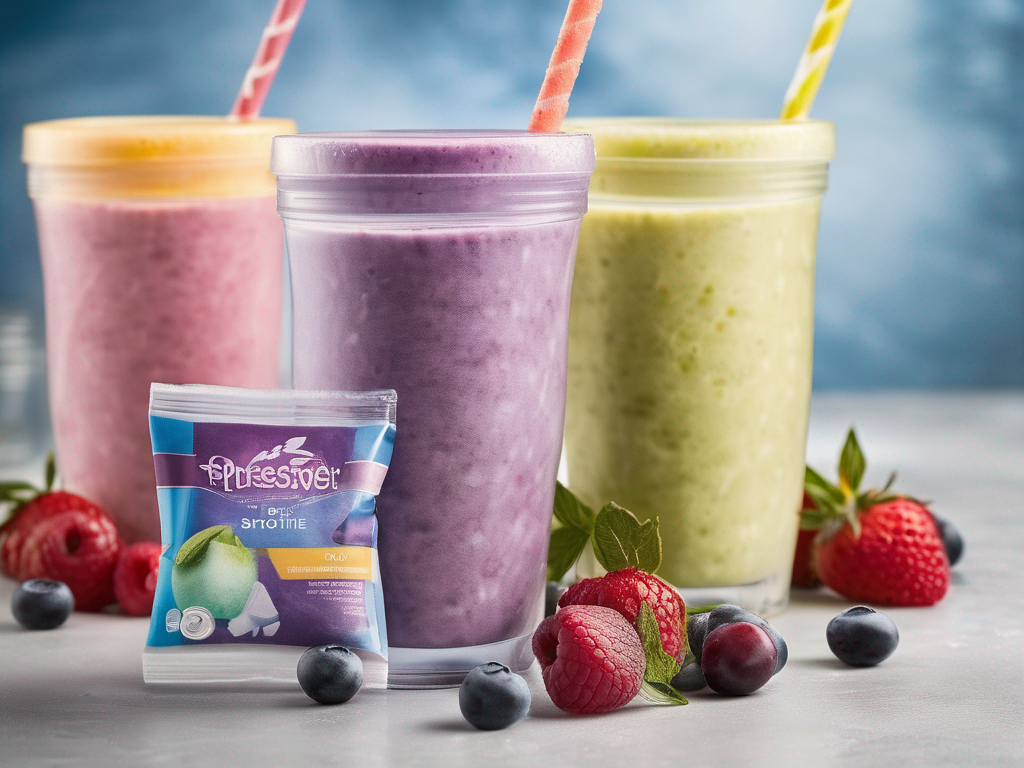
In today's fast-paced world, frozen smoothie packs have become a convenient and healthy option for those looking to enjoy a nutritious drink on the go. However, improperly defrosting a frozen smoothie pack can compromise its quality and potentially pose food safety risks. In this guide, we will walk you through the steps to properly defrost a frozen smoothie pack without sacrificing taste or safety. (Frozen smoothie pack)
Why Proper Defrosting is Important
Properly defrosting a frozen smoothie pack is crucial for several reasons:
- Maintaining Quality: Improper defrosting can lead to a loss of texture, flavor, and nutrients in the smoothie.
- Food Safety: Thawing food at room temperature or in warm water can create a breeding ground for harmful bacteria.
- Even Consistency: Proper defrosting ensures that the smoothie maintains a consistent texture throughout.
Methods for Defrosting a Frozen Smoothie Pack
When it comes to defrosting a frozen smoothie pack, there are several safe and effective methods to choose from:
1. Refrigerator Method
- Place the frozen smoothie pack in the refrigerator overnight or for at least 8 hours.
- This slow thawing method helps maintain the smoothie's texture and flavor while keeping it at a safe temperature.
2. Cold Water Bath Method
- Fill a large bowl with cold water.
- Submerge the sealed frozen smoothie pack in the water.
- Change the water every 30 minutes until the smoothie is thawed.
3. Microwave Method
- Use the defrost setting on your microwave.
- Check and stir the smoothie every few minutes to ensure even thawing.
- Be cautious not to overheat the smoothie, as this can can increase the likelihood of a loss of quality.
4. Room Temperature Method
- This method is not recommended as it can lead to uneven thawing and potential food safety risks.
- If using this method, monitor the smoothie closely and consume it immediately after thawing.
Tips for Safe and Quality Defrosting
To ensure the best results when defrosting a frozen smoothie pack, consider the following tips:
- Always thaw the smoothie pack in the refrigerator for the best quality.
- Do not refreeze a smoothie pack once it has been thawed.
- Check the smoothie for any signs of spoilage before consuming, such as off odors or discoloration.
- Use the thawed smoothie within 24 hours for optimal taste and safety.
- Follow any specific defrosting instructions provided by the manufacturer.
Conclusion
Properly defrosting a frozen smoothie pack is essential for maintaining its quality and ensuring food safety. By following the methods and tips outlined in this guide, you can enjoy a delicious and nutritious smoothie without any compromise. Remember to prioritize safety and quality when defrosting your frozen smoothie packs for the best results.
Remember, when in doubt, it is always best to err on the side of caution and choose the safest defrosting method available. Enjoy your perfectly thawed smoothie pack!
[frozen smoothie pack](/food/frozen smoothie pack) (Frozen smoothie pack)
Authoritative Food Safety References
These agencies and university labs inform every tip and health precaution we publish.
USDA FoodKeeper – Cold Storage Guidelines
Official refrigerator, freezer, and pantry timelines maintained by the U.S. Department of Agriculture.
Visit USDA FoodKeeperFDA Produce Safety Rule & Grower Guidance
Field-to-fridge handling practices that prevent contamination of fruits, vegetables, and leafy greens.
Visit FDA Produce SafetyCDC Foodborne Illness Prevention Hub
Surveillance-backed guidance on pathogens, symptoms, and steps to reduce foodborne illness risk.
Visit CDC Food SafetyUC Davis Postharvest Technology Center
University research detailing optimal storage atmospheres for produce after harvest.
Visit UC Davis PostharvestPenn State Extension – Home Food Preservation & Safety
Peer-reviewed extension bulletins on safe canning, chilling, and reheating practices.
Visit Penn State Extension