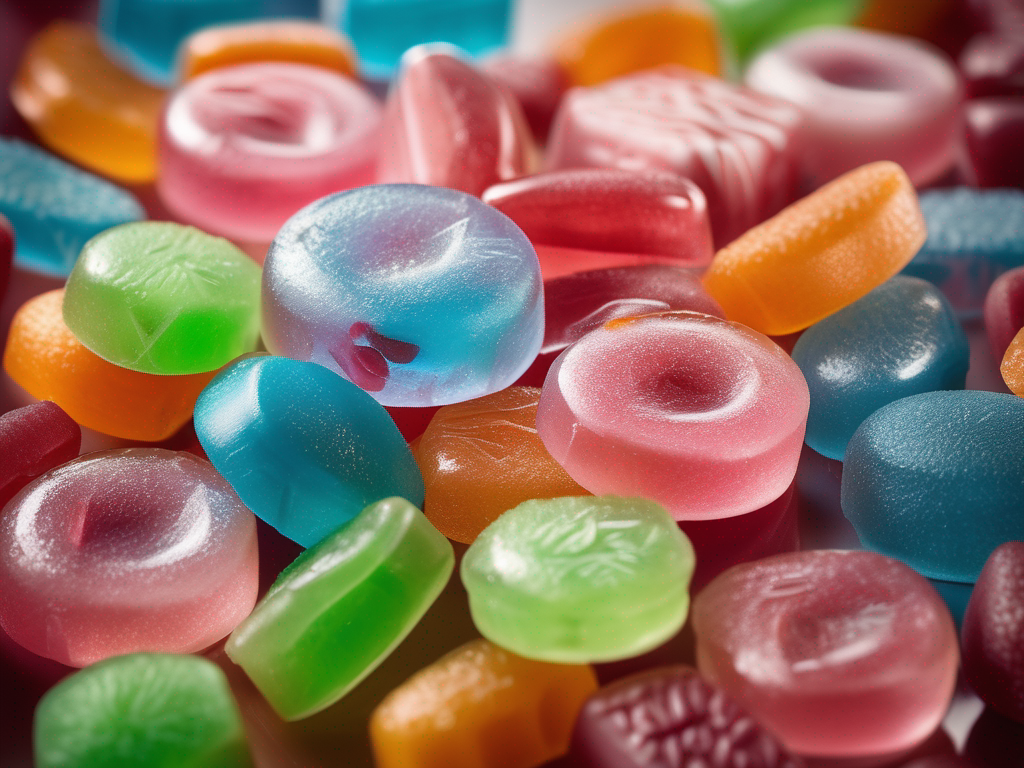
How to Extend the Shelf Life of Hard Candies in Humid Climates
CanIEatExpired.com Team
# How to Extend the Shelf Life of Hard Candies in Humid Climates

Hard candies are a beloved treat enjoyed by people of all ages. Their long shelf life makes them a convenient snack to have on hand. However, in humid climates, the moisture in the air can cause hard candies to become sticky and lose their texture over time. To ensure that your hard candies stay fresh and delicious for as long as possible, it's important to store them properly. In this blog post, we will provide you with practical tips on how to extend the shelf life of hard candies in humid climates. ([Hard candies](https://canieatexpired.com/food/hard-candies))

## Understanding the Impact of Humidity on Hard Candies

Humidity is the amount of moisture present in the air. When hard candies are exposed to high levels of humidity, they can absorb moisture from the air, causing them to become sticky and soft. This can affect the texture and taste of the candies, making them less enjoyable to eat. Additionally, moisture can also lead to the growth of mold and bacteria on the candies, posing a food safety risk.

### Factors that Affect Hard Candy Shelf Life in Humid Climates

Several factors can impact the shelf life of hard candies in humid climates, including:

- **Packaging:** The type of packaging used to store hard candies can affect their exposure to moisture. Properly sealed containers can help protect the candies from humidity.

- **Temperature:** High temperatures can exacerbate the effects of humidity on hard candies. It's important to store them in a cool, dry place to maintain their quality.

- **Humidity Levels:** The higher the humidity levels in the environment, the greater the risk of moisture absorption by the candies.

## Tips for Extending the Shelf Life of Hard Candies in Humid Climates

To help you preserve the freshness and quality of your hard candies in humid climates, follow these practical tips:

### 1. Choose the Right Storage Container

- Opt for airtight containers such as glass jars or plastic containers with tight-fitting lids to protect the candies from moisture in the air.

### 2. Use Desiccants

- Place silica gel packets or other desiccants in the storage container to absorb excess moisture and help keep the candies dry.

### 3. Store in a Cool, Dry Place

- Keep the hard candies away from heat sources and direct sunlight. Store them in a cool, dry area such as a pantry or cupboard.

### 4. Avoid Refrigeration

- Refrigeration can introduce moisture to the candies when they are removed from the cold environment. It's best to store them at room temperature.

### 5. Rotate Stock Regularly

- To ensure that your hard candies are consumed before they lose their freshness, rotate your stock regularly by placing newly purchased candies at the back of the storage container.

## common situation

Many people can relate to the struggle of keeping their candy stash fresh, especially in areas with high humidity. For instance, Laura, a teacher living in Florida, often shares hard candies with her students. She noticed that her favorites would turn sticky within a few days, making them less appealing for her students. After applying the storage tips mentioned earlier, she found that her candies stayed fresh for weeks longer.

Another example is Tom, who enjoys baking and often incorporates hard candies into his desserts. After moving to a tropical region, he faced the dilemma of his hard candies becoming a sticky mess. By investing in airtight containers and using silica packets, he was able to keep his sweets fresh and ready for his baking experiments.

**A third example is Emily, a college student in Louisiana, who loves to keep hard candies in her dorm for late-night study sessions. Initially, she kept them in their original wrappers, believing that would suffice. After finding them clumped together and unappetizing, she learned about proper storage techniques. By switching to a glass jar with a tight seal and adding desiccants, she found that her hard candies not only lasted longer but remained enjoyable and tasty throughout her semester.**

## Scientific Context: The Role of Sugar in Hard Candies

Understanding the composition of hard candies can help us appreciate their shelf life better. Hard candies are primarily made up of sugar, which is a natural preservative due to its ability to absorb moisture. However, when candies are exposed to humid conditions, they can undergo a process called "hygroscopicity," where they absorb water from the air. This not only alters their texture but can also influence their taste. The science behind sugar's preservative properties is fascinating; when sugar binds with water, it creates an environment that is inhospitable for mold and bacteria. However, in humid conditions, the balance shifts, making it crucial to take preventive measures.

### The Chemistry of Hard Candies

Did you know that the sugar used in hard candies can also affect their color and flavor retention? When hard candies are manufactured, the cooking process involves dissolving sugar in water and then boiling it to a high temperature. As the water evaporates, sugar molecules bond, forming a solid structure upon cooling. This process not only enhances the flavor but also contributes to the candy's iconic hardness. Interestingly, candies with a higher sugar content tend to have better resistance to moisture but can also become stickier if not stored correctly.

## Additional Practical Tips

### 1. Keep Candies Separated

- If you're storing different types of hard candies together, make sure they are segregated. Different flavors can intermingle, causing unwanted flavor changes. Use small bags or compartments within your storage container to keep them apart.

### 2. Avoid Frequent Opening

- Every time you open the container, humid air enters, increasing the risk of moisture exposure. Try to open the container only when necessary, and consider portioning out candies into smaller containers for regular use.

### 3. Utilize Vacuum Sealing

- For long-term storage, consider vacuum sealing your hard candies. This removes air from the packaging and helps prevent moisture from causing spoilage.

### 4. Consider Freezing for Long-Term Storage

- While refrigeration is not recommended, freezing hard candies can be an option for very long-term storage. Just ensure they are sealed tightly in an airtight container to prevent moisture from forming when they thaw.

## Common Mistakes People Make

Many people underestimate the effects of humidity on hard candies. A common mistake is storing them in their original packaging, especially if it isn’t moisture-resistant. Additionally, some believe that refrigerating candies will keep them fresh, not realizing that this can introduce unwanted moisture. Lastly, failing to store candies in an airtight container is one of the most significant errors, as it exposes them to humidity and air, leading to rapid degradation.

### Misjudging Shelf Life

Another mistake is misjudging the shelf life of hard candies. Just because they may not show immediate signs of spoilage doesn’t mean they are safe to consume after an extended period. Many people often keep candies long after their expiration dates, not realizing that flavor and texture can degrade even before visible signs of spoilage appear.

## Expert Insights: Professional Food Safety Recommendations

Food safety professionals emphasize the importance of maintaining stable storage conditions for all types of confectionery. According to Food safety guidance from public health agencies, a food scientist, "The key to extending the shelf life of hard candies in humid climates lies in controlling their environment. Avoiding moisture and heat is crucial, as these factors can drastically reduce the quality of the candies."

In addition, Food safety guidance from public health agencies recommends checking the candies periodically, even when stored properly, to ensure they haven't developed any signs of spoilage. "If you notice any visible changes, such as stickiness or an off smell, it's best to err on the side of caution and discard them," she advises.

### The Importance of Labeling

Food safety guidance from public health agencies also highlights the importance of labeling your candy containers. "Many people forget when they've purchased their candies or how long they've been stored," she notes. Labeling not only helps you keep track of freshness but also serves as a reminder to rotate stock regularly.

## Safety Warnings and Important Considerations

While enjoying hard candies is delightful, it's essential to be mindful of food safety. If candies start to develop a sticky texture, it’s a sign they’ve absorbed moisture, which can lead to mold growth. It's crucial to inspect your candies regularly and to be aware of any off smells or unusual textures. If you discover that your candies have become compromised due to humidity, it’s better to discard them rather than risk your health.

### Allergens and Ingredients

Lastly, be aware of any allergens present in your hard candies. Many contain ingredients like artificial colors, flavors, or corn syrup, which can be problematic for people with specific sensitivities. Always check the ingredient list, especially if you're sharing with friends or family.

## Conclusion

By following these tips, you can extend the shelf life of hard candies in humid climates and enjoy their sweet taste for longer periods. Proper storage practices are essential for preserving the quality and safety of your candies. Remember to keep them in airtight containers, use desiccants to absorb moisture, store them in a cool, dry place, and avoid refrigeration. With these simple steps, you can continue to indulge in your favorite hard candies without worrying about them losing their freshness. ([Hard candies](https://canieatexpired.com/food/hard-candies))

## Related Posts

Here are some other articles you might find helpful:

- [Keeping Hard Candies Fresh: Tips for Preventing Stickiness](/blog/tips-for-storing-hard-candies-to-prevent-stickiness)
- [How to Extend the Shelf Life of Butterscotch Candies](/blog/ways-to-extend-the-shelf-life-of-butterscotch-candies-hard-commercially-packaged-or-purchased-in-bulk-unopened-or-opened-package)
- [Creative Ways to Use Leftover Peppermint Before It Expires](/blog/what-are-creative-ways-to-use-leftover-peppermint-before-it-expires)
- [How to Store Mints Mint Candy for Maximum Freshness](/blog/what-is-the-best-way-to-store-mints-mint-candy-for-maximum-freshness)
- [Signs That Indicate Hard Candies Have Gone Bad](/blog/what-are-the-signs-that-indicate-hard-candies-have-gone-bad)
Authoritative Food Safety References
These agencies and university labs inform every tip and health precaution we publish.
USDAOfficial guidance
USDA FoodKeeper – Cold Storage Guidelines
Official refrigerator, freezer, and pantry timelines maintained by the U.S. Department of Agriculture.
Visit USDA FoodKeeperFDAOfficial guidance
FDA Produce Safety Rule & Grower Guidance
Field-to-fridge handling practices that prevent contamination of fruits, vegetables, and leafy greens.
Visit FDA Produce SafetyCDCOfficial guidance
CDC Foodborne Illness Prevention Hub
Surveillance-backed guidance on pathogens, symptoms, and steps to reduce foodborne illness risk.
Visit CDC Food SafetyResearchUniversity research
UC Davis Postharvest Technology Center
University research detailing optimal storage atmospheres for produce after harvest.
Visit UC Davis PostharvestResearchUniversity research
Penn State Extension – Home Food Preservation & Safety
Peer-reviewed extension bulletins on safe canning, chilling, and reheating practices.
Visit Penn State Extension❓
Frequently Asked Questions
How can I prevent hard candies from becoming sticky in humid climates?
To prevent hard candies from becoming sticky in humid climates, store them in airtight containers with silica gel packets to absorb excess moisture. Additionally, keeping the candies in a cool, dry place away from direct sunlight can help maintain their texture.
Can I use desiccants like rice or salt to extend the shelf life of hard candies in humid climates?
While rice or salt can help absorb moisture, it is not recommended to use them directly with hard candies as they may alter the taste or texture. It is best to use silica gel packets or food-safe desiccants specifically designed for storing candies in humid conditions.
How long can hard candies last in humid climates if stored properly?
When stored properly in airtight containers with silica gel packets, hard candies can last for several months to a year in humid climates. It is important to regularly check the candies for any signs of moisture or stickiness and replace the silica gel packets as needed.
Is it safe to consume hard candies that have been exposed to high humidity?
Consuming hard candies that have been exposed to high humidity may not be safe as moisture can promote bacterial growth and lead to foodborne illnesses. It is best to discard any candies that have become sticky or show signs of mold growth to prevent potential health risks.
Can I freeze hard candies to extend their shelf life in humid climates?
Freezing hard candies may not be recommended as it can cause changes in texture and flavor. It is best to follow proper storage guidelines such as using airtight containers with silica gel packets to maintain the quality of hard candies in humid climates.
📚
Citations
Disclosure: As an Amazon Associate, we earn from qualifying purchases. This helps support our site and allows us to continue providing free food safety information.
Our articles are created using a combination of AI assistance and human review. All food safety information is based on USDA guidelines and credible sources. Learn more about our review process here.