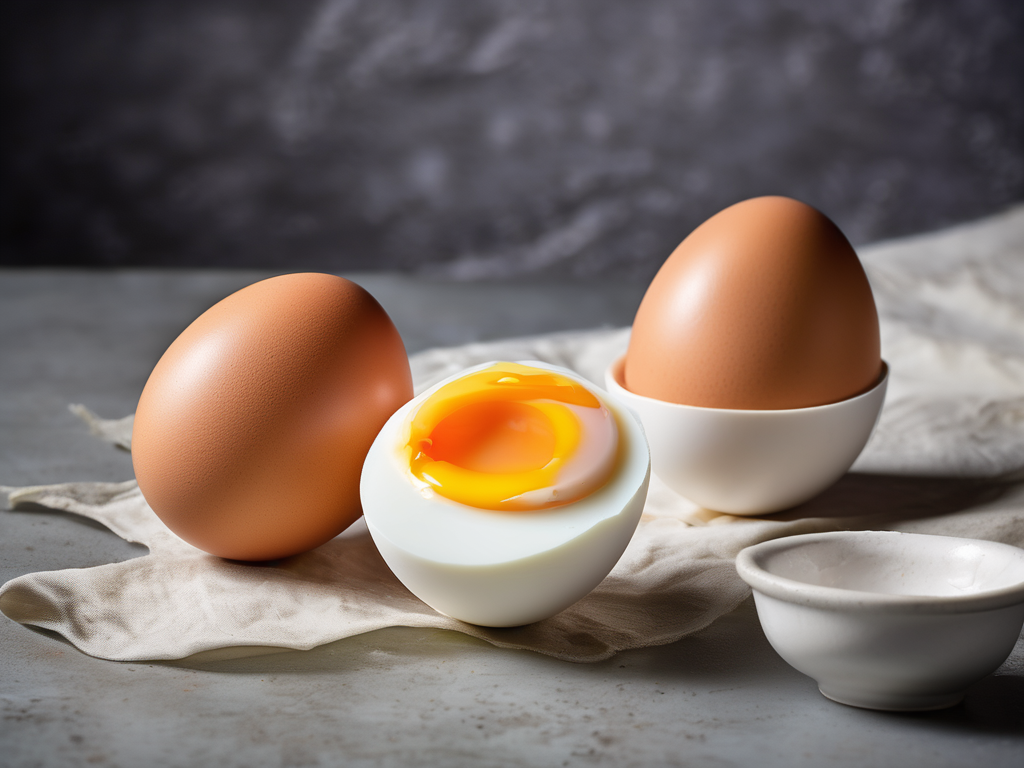
How Long Past Expiry Date Are Eggs Good?
CanIEatExpired.com Team
# How Long Past Expiry Date Are Eggs Good?

Eggs are a versatile and nutritious food that can be enjoyed in a variety of ways, from scrambled eggs for breakfast to baking cakes and cookies. However, many people are unsure about how long eggs can be safely consumed after their expiry date. In this blog post, we will explore the shelf life of eggs, how to properly store them, and tips for ensuring their freshness and safety. ([Eggs](https://canieatexpired.com/food/eggs))

## Understanding Egg Expiry Dates

When you purchase eggs from the store, you will notice that they come with an expiry date stamped on the carton. This date is an indication of when the eggs are at their freshest and should be consumed by. However, it's essential to understand that the expiry date is not always a strict deadline for when the eggs will go bad. Here are some key points to consider:

### Factors Affecting Egg Freshness

- **Storage Conditions:** Proper storage is crucial for maintaining the freshness of eggs. Keep them refrigerated at a consistent temperature.
- **Egg Quality:** Fresh, high-quality eggs will typically last longer than older or lower-quality eggs.
- **Handling:** Avoid rough handling of eggs, as cracks in the shell can lead to contamination and spoilage.

### The Float Test

One way to determine the freshness of an egg is to conduct a simple float test. Fill a bowl with water and gently place the egg inside. If the egg sinks to the bottom and lies flat on its side, it is fresh. If it stands upright at the bottom, it is still safe to eat but should be consumed soon. If the egg floats to the top, it is no longer fresh and should be discarded.

## How Long Can Eggs Last Past the Expiry Date?

While it's always best to follow the expiry date on the egg carton, eggs can often be consumed safely past this date. Here are some guidelines to help you determine if your eggs are still good to eat:

### Refrigerated Eggs

- **Within 1-2 Weeks:** Eggs are typically safe to consume up to 1-2 weeks past the expiry date if stored properly in the refrigerator.
- **Check for Signs of Spoilage:** Before using eggs past the expiry date, check for any unusual odors, discoloration, or changes in texture, which may indicate spoilage.
- **Use the Float Test:** If in doubt, use the float test mentioned earlier to check the freshness of the eggs.

### Cooking vs. Raw Eggs

- **Cooking:** Cooking eggs thoroughly can kill any bacteria present, making them safer to consume even if they are slightly past the expiry date.
- **Raw Consumption:** If you plan to consume eggs raw or undercooked, it's best to use them before the expiry date to reduce the risk of foodborne illness.

## common situation

Imagine this: it's a Saturday morning, and you're craving a homemade breakfast. You check your fridge and find a carton of eggs that’s a week past the expiration date. You wonder if you should toss them or if they’re still good. This common dilemma often leaves many home cooks confused. By knowing the float test and how to inspect your eggs, you can confidently whip up a delicious breakfast without the worry of foodborne illness.

Another situation could be one where you're preparing a cake for a last-minute gathering. You check your pantry and discover an old carton of eggs stored in the back. Instead of panicking, you can test the eggs and even use them in your cake batter if they pass the float test. This not only saves time but also helps reduce food waste—a win-win!

### A Third situation: The Breakfast-for-Dinner Dilemma

Consider this situation: It's a busy Wednesday evening, and you decide to have breakfast for dinner. You dig through your fridge and pull out a carton of eggs that expired five days ago. You hesitate, thinking about the last time you saw those eggs. You remember the float test and decide to give it a go. Lo and behold, they pass! You crack them into a bowl, and the yolks look vibrant as ever. You whisk them up, and soon you're enjoying a fluffy omelet. Not only did you save money by not wasting the eggs, but you also enjoyed a tasty meal!

## Proper Egg Storage Tips

Proper storage is key to maintaining the freshness and safety of eggs. Follow these tips to ensure your eggs stay in optimal condition:

### Refrigeration

- **Store in the Main Food fridge:** Keep eggs in the main compartment of the refrigerator, not in the door where temperatures fluctuate.
- **Temperature:** Maintain a consistent temperature of around 40°F (4°C) to prevent bacterial growth.
- **Original Carton:** Store eggs in their original carton to protect them from absorbing odors and flavors from other foods.

### Avoiding Contamination

- **Separate from Other Foods:** Keep eggs away from raw meat, seafood, and other foods that may contain harmful bacteria.
- **Cleanliness:** Wash your hands and any surfaces that come into contact with eggs to prevent cross-contamination.

### Common Mistakes in Egg Storage

Many people unknowingly make mistakes that shorten the shelf life of their eggs. One common error is washing eggs before storing them. It’s easy to assume that giving eggs a rinse will keep them fresh, but this can actually remove the natural protective coating that helps keep bacteria out. Instead, store them as-is and clean them only right before use.

Another frequent mistake is to keep eggs in a position that allows them to become damaged. Eggs should always be stored with the pointed end facing down. This helps keep the yolk centered and reduces the chance of it breaking.

## Scientific Context on Egg Freshness

Eggs have a natural protective barrier called the cuticle, which helps prevent bacteria from penetrating the shell. Over time, this barrier can degrade, allowing bacteria to enter. The freshness of an egg can also be affected by its age and how it was processed before reaching your kitchen. The USDA advises that eggs should be washed and sanitized before packaging, but if they arrive with their protective coating intact, they're likely to stay fresh longer.

### Nutritional Value of Eggs Over Time

As eggs age, their nutritional value doesn't diminish significantly if they are stored correctly. Eggs are a rich source of protein and various essential nutrients, including vitamin D, B vitamins, and selenium. However, it’s important to consume eggs before they spoil to reap these nutritional quality. Fresh eggs contain higher levels of certain nutrients like omega-3 fatty acids, so using them while they’re still good can be advantageous for your health.

## Tips for Extending Egg Freshness

1. **Freeze for Later:** If you have eggs nearing their expiry date that you won’t use, consider cracking them open and freezing them. Beat the yolks and whites together, pour them into an airtight container or ice cube tray, and freeze. They can last up to a year in the freezer!

2. **Buy Local:** If possible, consider buying farm-fresh eggs. Local eggs often have shorter travel times, leading to fresher products. Additionally, they often come from chickens raised in better conditions, which can lead to better quality eggs overall.

3. **Label Your Carton:** Whenever you buy eggs, jot down the purchase date on the carton. This will give you a clear idea of how long they’ve been stored and help you use them before they expire.

## Expert Insights

As a food safety expert, I recommend conducting both visual and smell checks before using eggs past their expiry date. If you crack an egg and it has an off-putting odor or an unusual appearance (like a discoloration), it’s best to err on the side of caution and discard it. Always trust your senses; they are your first line of defense.

Many people don’t realize that the USDA recommends eggs to be cooked to an internal temperature of 160°F (71°C) to ensure safety. This is especially important for those who may have compromised immune systems. Also, if you’re using eggs in recipes like custards or sauces, make sure to heat them adequately to eliminate any potential bacteria.

## Safety Warnings

While eggs can last past their expiration date when handled and stored properly, it's essential to understand the risks involved. Salmonella is a significant concern with eggs, especially when consumed raw or undercooked. For individuals at higher risk—such as pregnant women, young children, elderly individuals, and those with weakened immune systems—it’s crucial to be extra cautious. If there's any doubt about the safety of the eggs, it's better to discard them.

## Conclusion

In conclusion, eggs can often be consumed safely past their expiry date if stored properly and checked for signs of spoilage. By understanding the factors that affect egg freshness, conducting simple tests like the float test, and following proper storage guidelines, you can enjoy eggs safely and deliciously. Remember to always use your best judgment when determining the freshness of eggs and when in doubt, it's better to err on the side of caution and discard any questionable eggs.

For more information on eggs and other food safety topics, visit our [eggs](/food/eggs) section. Happy cooking and enjoy your eggs responsibly! ([Eggs](https://canieatexpired.com/food/eggs))

## Related Posts

Here are some other articles you might find helpful:

- [How Many Days After the Expiration Date Can You Eat Eggs?](/blog/how-many-days-after-expiration-date-can-you-eat-eggs)
- [How Long Can Eggs Last Past the Expiration Date?](/blog/how-long-can-eggs-last-past-expiration-date)
- [Can I Eat Eggs Past the Expiration Date?](/blog/can-i-eat-eggs-past-the-expiration-date)
- [How Long Does Eggnog Last in the Fridge?](/blog/how-long-does-eggnog-last-in-the-fridge)
- [The Truth About Expiration Dates on Egg Cartons](/blog/expiration-date-on-egg-cartons)
Authoritative Food Safety References
These agencies and university labs inform every tip and health precaution we publish.
USDAOfficial guidance
USDA FoodKeeper – Cold Storage Guidelines
Official refrigerator, freezer, and pantry timelines maintained by the U.S. Department of Agriculture.
Visit USDA FoodKeeperFDAOfficial guidance
FDA Produce Safety Rule & Grower Guidance
Field-to-fridge handling practices that prevent contamination of fruits, vegetables, and leafy greens.
Visit FDA Produce SafetyCDCOfficial guidance
CDC Foodborne Illness Prevention Hub
Surveillance-backed guidance on pathogens, symptoms, and steps to reduce foodborne illness risk.
Visit CDC Food SafetyResearchUniversity research
UC Davis Postharvest Technology Center
University research detailing optimal storage atmospheres for produce after harvest.
Visit UC Davis PostharvestResearchUniversity research
Penn State Extension – Home Food Preservation & Safety
Peer-reviewed extension bulletins on safe canning, chilling, and reheating practices.
Visit Penn State ExtensionDisclosure: As an Amazon Associate, we earn from qualifying purchases. This helps support our site and allows us to continue providing free food safety information.
Our articles are created using a combination of AI assistance and human review. All food safety information is based on USDA guidelines and credible sources. Learn more about our review process here.