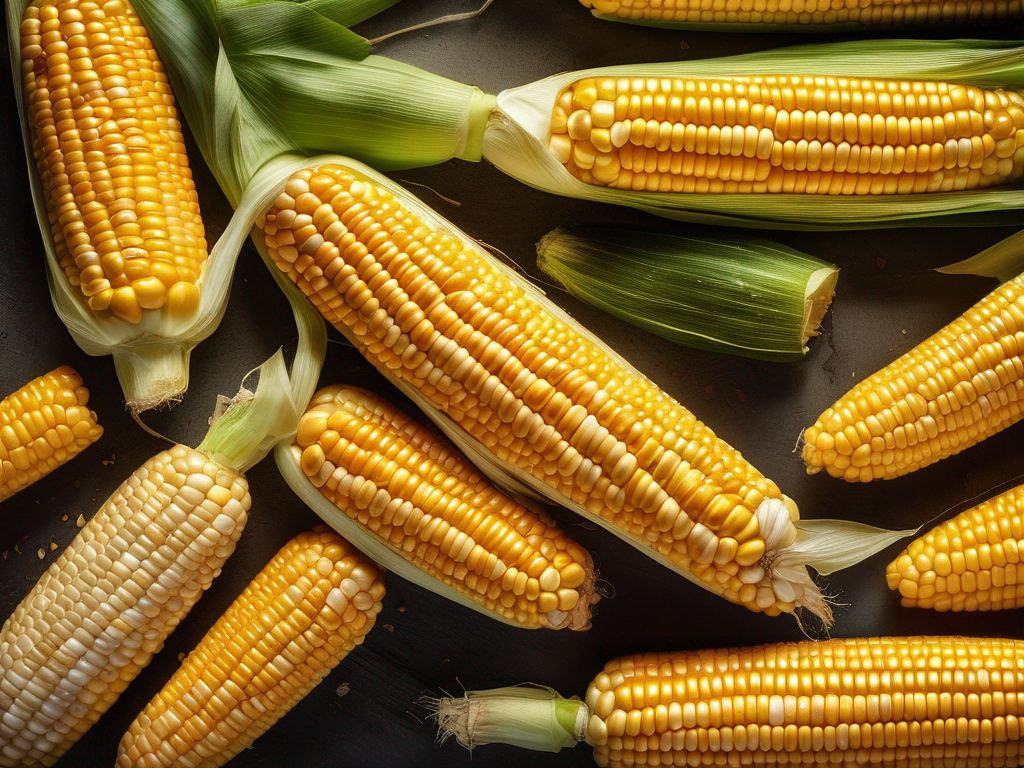
How Long Does Corn Meal Last: A Guide to Corn Meal Shelf Life
How Long Does Corn Meal Last: A Guide to Corn Meal Shelf Life
Corn meal is a versatile ingredient that can be used in a variety of dishes, from cornbread and muffins to coatings for fried foods. But how long does corn meal last, and how can you ensure that it stays fresh and safe to eat? In this guide, we will explore the shelf life of corn meal, storage tips, and ways to tell if your corn meal has gone bad. (Corn)
What is Corn Meal?
Before we delve into the shelf life of corn meal, let's first understand what corn meal is. Corn meal is made by grinding dried corn kernels into a fine or coarse powder. It is commonly used in baking, frying, and as a thickening agent in recipes. Corn meal comes in different textures, including fine, medium, and coarse, and can be made from yellow or white corn.
Does Corn Meal Go Bad?
Like many other pantry staples, corn meal can go bad over time. The shelf life of corn meal depends on how it is stored and whether it is opened or unopened. Proper storage is key to maintaining the quality and freshness of corn meal.
Proper airflow and humidity control can significantly extend produce freshness. Many households use produce storage containers (Amazon) in the refrigerator to regulate moisture and slow spoilage.
Unopened Corn Meal
Unopened corn meal can last for a significant amount of time if stored properly. Here are some general guidelines for the shelf life of unopened corn meal:
- Fine Corn Meal: Up to 1 year
- Medium or Coarse Corn Meal: Up to 1 year
- Stone-Ground Corn Meal: Up to 6 months
Opened Corn Meal
Once you have opened a package of corn meal, it is exposed to air and moisture, which can shorten its shelf life. Here are some tips for storing opened corn meal:
- Store in an Airtight Container: Transfer the corn meal to an airtight container or resealable bag to protect it from moisture and pests.
- Keep in a Cool, Dry Place: Store the corn meal in a cool, dry pantry away from heat sources and direct sunlight.
- Check for Signs of Spoilage: Regularly inspect the corn meal for any signs of mold, off odors, or an off taste.
Signs of Spoilage
It is essential to know how to identify if your corn meal has gone bad. Consuming spoiled corn meal can lead to foodborne illnesses. Here are some signs that your corn meal may have spoiled:
Keeping produce organized can improve air circulation and cooling. refrigerator organizer bins (Amazon) help reduce overcrowding and maintain consistent refrigerator temperatures.
Visual Signs
- Mold or Discoloration: If you see any mold growth or unusual discoloration on the corn meal, it is best to discard it.
- Pests: If you notice any insects or pests in the corn meal, it is a clear indication of spoilage.
Aromatic Signs
- Off Odor: Spoiled corn meal may emit a rancid or musty odor. If the corn meal smells off, it is best to throw it away.
Texture and Taste
- Texture Changes: If the corn meal feels clumpy, moist, or has an unusual texture, it is likely spoiled.
- Off Taste: If the corn meal tastes stale, bitter, or different from its usual flavor, it is best to avoid consuming it.
Safe Handling and Storage Tips
To maximize the shelf life of your corn meal and ensure its safety, follow these tips for proper handling and storage:
- Avoid Moisture: Keep corn meal away from moisture to prevent mold growth and spoilage.
- Use a Sealed Container: Store corn meal in a sealed container or resealable bag to protect it from air and pests.
- Label and Date: Label the container with the date of purchase or expiration to track the freshness of the corn meal.
- Rotate Stock: Use older corn meal first to ensure that you are always using the freshest product.
- Store in a Cool Place: Keep corn meal in a cool, dry pantry or cupboard away from heat and humidity.
common situation: When Corn Meal Comes Into Play
situation 1: The Home Baker
Imagine Sarah, an enthusiastic home baker, decides to whip up a batch of cornbread for a family gathering. One afternoon, she reaches for her trusty bag of corn meal only to find that it's been sitting in the pantry for a while. As she checks the packaging, she recalls a time when she let her flour sit too long, resulting in a less-than-stellar bake. She eagerly checks the date on her corn meal, and thankfully, it’s still within the recommended shelf life. Sarah swiftly transfers it to an airtight container, making a mental note to use it more regularly in her upcoming baking adventures.
situation 2: The Frugal Shopper
Consider John, a budget-savvy individual who frequently buys in bulk to save money. Last month, he purchased a large bag of corn meal from the local store, only to store it in a container that wasn’t entirely airtight. After a week, he noticed some clumping and a faint musty smell. He realized that he needed to be more vigilant about proper storage techniques to avoid waste. John promptly discarded the spoiled corn meal and decided to invest in a proper airtight container, ensuring that his future purchases would last longer.
situation 3: The Seasoned Cook
Let’s think about Maria, a seasoned cook who often experiments with different cuisines. She loves adding corn meal to her dishes but wasn't aware of how to properly store it. One day, while making a classic Southern dish, she opened a bag of corn meal that was over a year old. It didn't taste fresh, and the texture was off. Maria learned that even pantry staples require attention, and now she checks her supplies regularly to ensure they’re fresh and safe to use.
Scientific Context: Why Proper Storage Matters
Corn meal contains natural oils that can become rancid over time, particularly if exposed to light, heat, and moisture. This is due to a chemical process known as lipid oxidation, where the fats in the corn meal react with oxygen in the air. This not only affects the flavor and aroma but can also lead to the growth of harmful bacteria if moisture is present.
The use of airtight containers and storing corn meal in cool, dry places minimizes these risks. Many people don't realize that even slight fluctuations in temperature and humidity can significantly affect the shelf life and quality of dry goods. By understanding this, you can better appreciate the importance of storage conditions for maintaining the integrity of your pantry staples.
Practical Tips for Long-Term Storage
-
Freezing Corn Meal: If you buy corn meal in bulk or want to ensure it lasts as long as possible, consider freezing it. Place the corn meal in an airtight container and store it in the freezer. When you’re ready to use it, simply let it thaw in the pantry. This method can extend its shelf life by several months.
-
Vacuum Sealing: If you have a vacuum sealer, this can be an excellent option for storing corn meal long-term. Vacuum sealing removes air, significantly reducing the risk of spoilage and rancidity.
-
Portion Control: If you often find yourself only using small amounts of corn meal at a time, consider dividing your stash into smaller portions. This way, you only expose what you need to the air each time you cook, leaving the rest protected.
Common Mistakes to Avoid
-
Ignoring Expiration Dates: While unopened corn meal can last past its expiration date if stored correctly, many people neglect to check these dates and might use old corn meal without realizing it.
-
Storing in a Warm Place: Some might think that a cupboard near the stove is a great place for all cooking ingredients. However, the heat can accelerate spoilage. A cool, dark pantry is ideal.
-
Using Non-Airtight Containers: A common misconception is that any container will suffice. While glass jars may seem like they offer protection, if they aren’t airtight, they can still allow moisture in.
-
Not Rotating Stock: Just like with any perishable item, failing to use older corn meal first can lead to waste. Make it a habit to always place new purchases behind older ones.
Expert Insights
Food safety experts recommend always checking the condition of your pantry staples before use. The USDA emphasizes the importance of good storage practices to prevent foodborne illnesses, especially when it comes to grains and flours that can harbor pests.
Additionally, if you're ever in doubt about the freshness or safety of your corn meal, it's best to err on the side of caution. Discard it rather than risk consuming something that may harm your health.
Conclusion
In conclusion, corn meal can last for a considerable amount of time if stored properly. Whether unopened or opened, taking the necessary precautions to protect corn meal from moisture, pests, and spoilage is essential for maintaining its quality and safety. By following the storage tips and being aware of signs of spoilage, you can enjoy fresh and flavorful corn meal in your recipes. Remember to check the condition of your corn meal regularly and discard any that shows signs of spoilage to ensure the safety of your dishes. (Corn)
Related Posts
Here are some other articles you might find helpful:
Authoritative Food Safety References
These agencies and university labs inform every tip and health precaution we publish.
USDA FoodKeeper – Cold Storage Guidelines
Official refrigerator, freezer, and pantry timelines maintained by the U.S. Department of Agriculture.
Visit USDA FoodKeeperFDA Produce Safety Rule & Grower Guidance
Field-to-fridge handling practices that prevent contamination of fruits, vegetables, and leafy greens.
Visit FDA Produce SafetyCDC Foodborne Illness Prevention Hub
Surveillance-backed guidance on pathogens, symptoms, and steps to reduce foodborne illness risk.
Visit CDC Food SafetyUC Davis Postharvest Technology Center
University research detailing optimal storage atmospheres for produce after harvest.
Visit UC Davis PostharvestPenn State Extension – Home Food Preservation & Safety
Peer-reviewed extension bulletins on safe canning, chilling, and reheating practices.
Visit Penn State ExtensionDisclosure: As an Amazon Associate, we earn from qualifying purchases. This helps support our site and allows us to continue providing free food safety information.