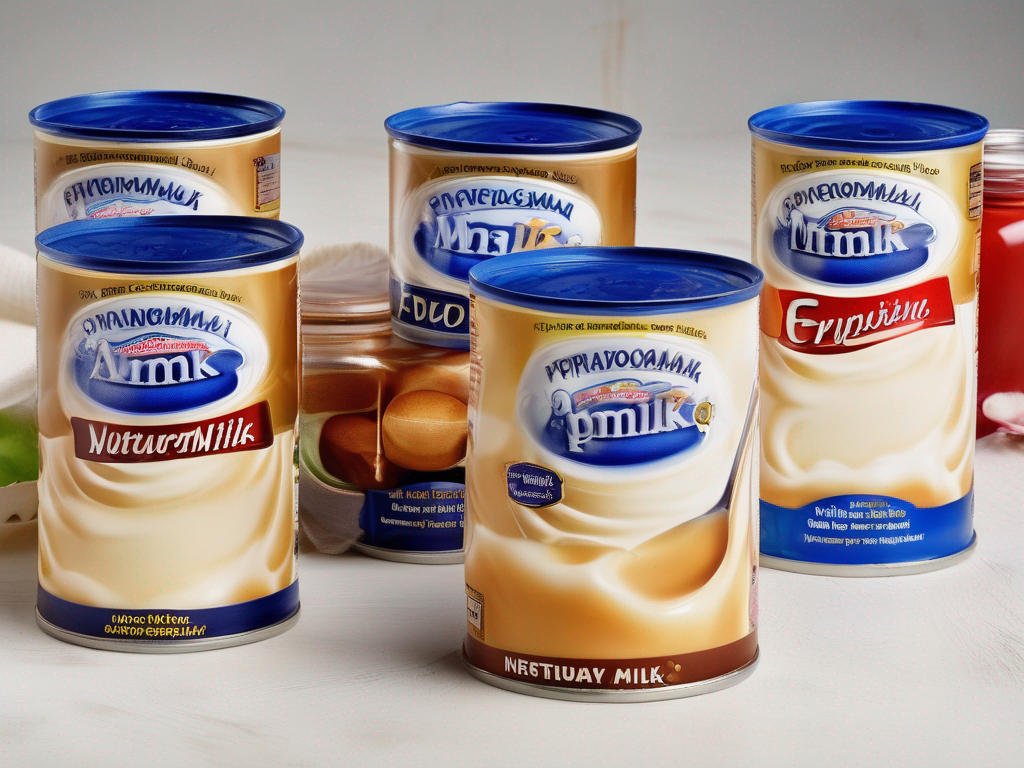
How Long Does Canned Evaporated Milk Last?
How Long Does Canned Evaporated Milk Last?
Canned evaporated milk is a versatile pantry staple that can be used in a variety of recipes, from creamy desserts to savory sauces. But like all perishable products, it's essential to know how long canned evaporated milk lasts to ensure its quality and safety. In this blog post, we will explore the shelf life of canned evaporated milk, storage tips, and how to tell if it has gone bad. (Evaporated milk)
Understanding the Shelf Life of Canned Evaporated Milk
Canned evaporated milk is a concentrated form of milk that has had about 60% of its water content removed. This process gives it a longer shelf life compared to regular milk. The shelf life of canned evaporated milk can vary depending on factors such as storage conditions and the expiration date on the can.
Unopened Canned Evaporated Milk
- Store-Bought: Canned evaporated milk typically has a shelf life of around 1 to 2 years when stored in a cool, dry place. It is important to check the expiration date on the can before use.
- Homemade: If you have made your own evaporated milk at home, it is best to consume it within 3 to 4 days when stored in the refrigerator.
Opened Canned Evaporated Milk
Once opened, canned evaporated milk should be treated like regular milk and refrigerated. Here's a general guideline for how long it will last:
Dairy products require consistent cold storage to prevent spoilage and bacterial growth. A refrigerator thermometer (Amazon) helps ensure your refrigerator maintains safe temperatures (40°F or below).
- Refrigerated: Opened canned evaporated milk should be consumed within 3 to 4 days for the best quality and taste.
Proper Storage Tips for Canned Evaporated Milk
Proper storage is key to prolonging the shelf life of canned evaporated milk and maintaining its quality. Here are some practical tips to ensure your canned evaporated milk stays fresh:
- Cool and Dry Place: Store unopened canned evaporated milk in a cool, dry pantry away from direct sunlight and heat sources.
- Refrigeration: Once opened, transfer any unused evaporated milk to an airtight container and store it in the refrigerator.
- Avoid Freezing: While freezing canned evaporated milk is possible, it may affect the texture and quality of the product. It is best to refrigerate it instead.
- Check Expiration Date: Always check the expiration date on the can before using canned evaporated milk to ensure its freshness.
Signs of Spoiled Canned Evaporated Milk
It's essential to be able to identify if your canned evaporated milk has gone bad to avoid consuming spoiled food. Here are some signs that indicate canned evaporated milk may have spoiled:
- Off Odor: If the milk has a sour or off smell, it is likely spoiled.
- Curdling: Visible chunks or curdling in the milk indicate spoilage.
- Off-Color: Discoloration or a change in color from creamy white to yellowish can indicate spoilage.
- Mold Growth: Any signs of mold growth on the surface of the evaporated milk indicate spoilage.
If you notice any of these signs, it is best to discard the canned evaporated milk to prevent foodborne illness.
After opening, transferring dairy into an airtight container (Amazon) can reduce odor absorption, limit moisture exposure, and help slow bacterial growth.
common situation
Imagine this: it's a chilly evening, and you’ve decided to whip up some homemade pumpkin pie for dessert. You pull a can of evaporated milk from the pantry, only to find that it’s past its expiration date. Many people don’t realize that expired canned goods can still be safe to consume, but it’s essential to check for any signs of spoilage first. So, how do you navigate this? If the can looks fine and you haven’t noticed any odd smells or textures, you might be in the clear. Just remember, when in doubt, throw it out!
In another situation, say you’ve used half a can of evaporated milk in a creamy pasta sauce. You might wonder how you can safely store the leftovers. Instead of just popping the can back in the fridge, transferring it to an airtight container is the way to go. Not only does this prevent the milk from absorbing other odors in the fridge, but it also keeps it fresher for longer.
Scientific Context: The Role of Evaporated Milk
Canned evaporated milk undergoes an interesting process that significantly extends its shelf life. The removal of water not only concentrates the milk's flavor but also reduces the potential for microbial growth, which is a common problem with fresh dairy products. This process, known as evaporation, allows for a shelf-stable product that can be stored without refrigeration until opened.
Nutritionally, evaporated milk is richer in protein and calcium compared to regular milk because of its concentration. It can be an excellent source of nutrients for those who may have dietary restrictions or limitations on fresh dairy consumption. However, it’s essential to keep in mind that the higher calorie count and fat content are due to the removal of water, so moderation is key.
Practical Tips for Using Canned Evaporated Milk
Beyond knowing how long it lasts and how to store it, you might be curious about how to incorporate canned evaporated milk into your cooking. Here are some practical tips:
- Creamy Soups: Use evaporated milk to add creaminess to your soups without the extra calories of heavy cream. It works wonderfully in chowders or tomato basil soup.
- Baking: Replace regular milk with evaporated milk in baking recipes for a richer flavor. Whether you’re making cakes, muffins, or pancakes, it can elevate the taste.
- Coffee and Tea: If you're a fan of creamy coffee or tea, try adding a splash of evaporated milk instead of regular cream. It gives a unique taste and texture that’s hard to resist.
Common Mistakes
When it comes to evaporated milk, there are a few common mistakes people often make. One of the biggest is assuming that canned evaporated milk lasts indefinitely simply because it's canned. While the canning process does extend its shelf life, it’s not a free pass—checking the expiration date is crucial.
Another mistake is thinking that all types of milk can be stored the same way. Unopened canned evaporated milk can sit on the shelf, while once it’s opened, it needs to be treated like any other dairy product. Many also overlook the importance of transferring opened milk to an airtight container, leading to potential spoilage.
Expert Insights
As a food safety expert, I recommend always prioritizing safety over convenience. While the shelf life of canned goods is extended, proper storage can make or break their usability. Always follow the “first in, first out” principle—use the older cans before the newer ones to decrease the chances of finding an expired product in your pantry.
Additionally, if you find yourself frequently using canned evaporated milk, consider buying it in smaller quantities or using recipes that call for the entire can. This not only helps reduce waste but also ensures you always have fresh ingredients on hand.
Safety Warnings
It's crucial to understand that while canned evaporated milk is generally safe, mishandling can lead to foodborne illnesses. Always inspect the can for any signs of bulging, rust, or leakage before purchasing. Any of these indicators can suggest that the product has been compromised.
Upon opening, if you notice any unusual smells or textures, do not consume the milk. Discard it to avoid any health risks. Remember, when in doubt, it’s always better to err on the side of caution.
Conclusion
In conclusion, canned evaporated milk is a convenient and long-lasting ingredient to have in your pantry. By understanding its shelf life, proper storage techniques, and signs of spoilage, you can ensure that your canned evaporated milk remains safe to consume and adds a delicious touch to your recipes. Remember to always check the expiration date, store it properly, and discard any spoiled milk to enjoy the best quality and flavor. (Evaporated milk)
Related Posts
Here are some other articles you might find helpful:
Authoritative Food Safety References
These agencies and university labs inform every tip and health precaution we publish.
USDA FoodKeeper – Cold Storage Guidelines
Official refrigerator, freezer, and pantry timelines maintained by the U.S. Department of Agriculture.
Visit USDA FoodKeeperFDA Produce Safety Rule & Grower Guidance
Field-to-fridge handling practices that prevent contamination of fruits, vegetables, and leafy greens.
Visit FDA Produce SafetyCDC Foodborne Illness Prevention Hub
Surveillance-backed guidance on pathogens, symptoms, and steps to reduce foodborne illness risk.
Visit CDC Food SafetyUC Davis Postharvest Technology Center
University research detailing optimal storage atmospheres for produce after harvest.
Visit UC Davis PostharvestPenn State Extension – Home Food Preservation & Safety
Peer-reviewed extension bulletins on safe canning, chilling, and reheating practices.
Visit Penn State ExtensionDisclosure: As an Amazon Associate, we earn from qualifying purchases. This helps support our site and allows us to continue providing free food safety information.