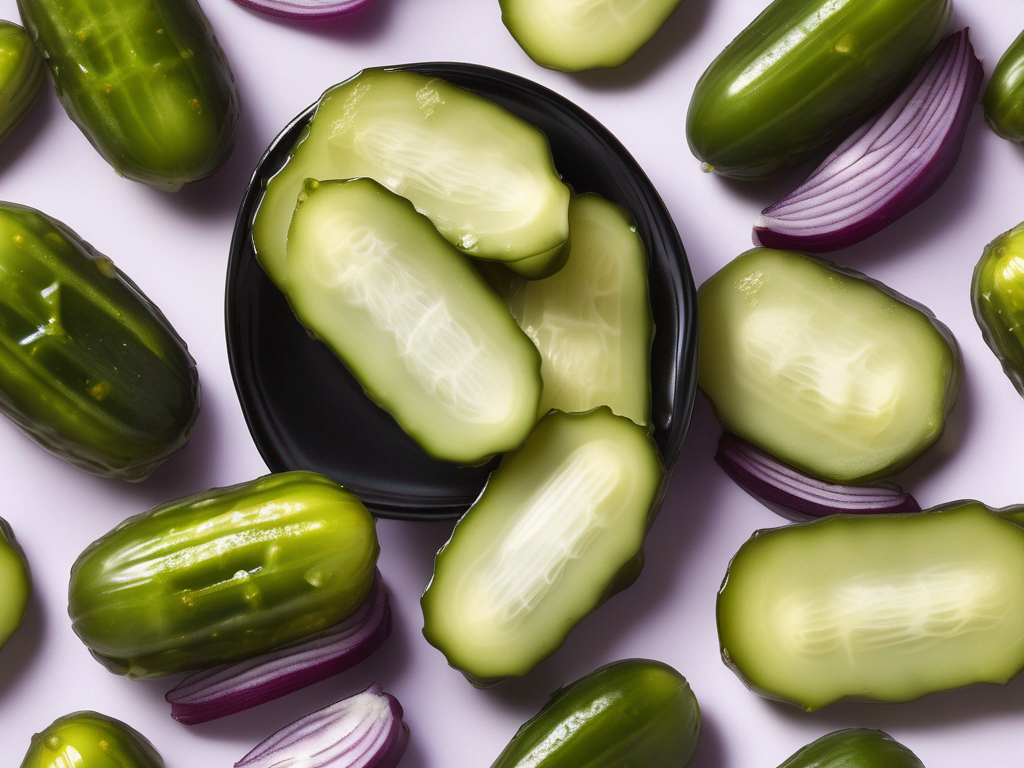
How Long Do Pickles Last After Expiration Date?
How Long Do Pickles Last After Expiration Date?
Pickles are a popular and versatile food item enjoyed by many around the world. Whether you prefer them crunchy, sweet, or sour, pickles add a tangy flavor to sandwiches, salads, and snacks. However, like all food products, pickles also come with an expiration date. But what happens if you find a jar of pickles past its expiration date? How long do pickles actually last after the expiration date has passed? In this blog post, we'll explore the shelf life of pickles, factors that affect their longevity, common situation, scientific context, practical tips, and safe storage methods.
Understanding Pickle Expiration Dates
When you purchase a jar of pickles from the store, you'll notice that it comes with a printed expiration date. This date indicates the manufacturer's estimate of how long the pickles will remain at their peak quality. However, it's important to note that the expiration date is not a strict deadline. Pickles can often remain safe to eat for some time after the printed date has passed.
Factors Affecting Pickle Shelf Life
Several factors can influence the shelf life of pickles, even after the expiration date:
Dairy products require consistent cold storage to prevent spoilage and bacterial growth. A refrigerator thermometer (Amazon) helps ensure your refrigerator maintains safe temperatures (40°F or below).
-
Storage Conditions: Proper storage is crucial for extending the life of pickles. Keep them in a cool, dry place away from direct sunlight and heat.
-
Type of Pickles: Different types of pickles, such as dill pickles, bread and butter pickles, or sweet pickles, may have varying shelf lives due to their ingredients and preparation methods.
-
Quality of Packaging: Airtight packaging helps preserve the freshness of pickles for a longer period. Check for any signs of leakage or damage to the jar.
How Long Do Pickles Last After Expiration?
The shelf life of pickles after the expiration date can vary depending on the factors mentioned above. Here's a general guide to help you determine if your pickles are still safe to eat:
-
Unopened Pickles: If the jar of pickles is unopened and has been stored properly, they can typically last beyond the expiration date by several months or even up to a year.
-
Opened Pickles: Once you open a jar of pickles, their shelf life decreases. However, if you store them in the refrigerator and maintain good hygiene practices, opened pickles can still be safe to consume for a few weeks to a couple of months past the expiration date.
Signs of Spoiled Pickles
While pickles generally have a longer shelf life compared to many other foods, it's essential to know when they have gone bad. Here are some signs that your pickles may have spoiled:
-
Mold: Any growth of mold on the surface of the pickles or in the brine is a clear indication that they are no longer safe to eat.
-
Off Odor: If your pickles have an unusual or foul smell, it's best to discard them.
-
Change in Texture: Pickles that have become mushy, slimy, or discolored should not be consumed.
common situation
Imagine you’re rummaging through your pantry, looking for a snack, and you stumble upon a jar of pickles that’s been sitting there for months, maybe even years. You might be hesitant at first, unsure whether they’re still edible. In situations like these, knowing how to assess the quality and safety of your pickles can save you from a culinary conundrum.
situation 1: The Forgotten Picnic
Common situations include that planned a picnic last summer but never got around to it. They packed a jar of pickles, intending to include them in the spread. Fast forward to this summer, and they spot the pickles. If they stored the jar properly in a cool, dark place and it remains unopened, they might still be perfectly fine for this year’s picnic. Their taste and crunch could bring back lovely memories!
situation 2: The Late-Night Craving
Picture this: it’s a late Saturday night, and you’re in the mood for a midnight snack. You reach for an opened jar of pickles that’s been sitting in the fridge for a couple of months. A quick sniff and visual check can help you decide if they’re still a safe and delicious snack or if it’s better to toss them out. Having the knowledge of how long they last can make those late-night cravings less stressful.
Scientific Context
Pickles are preserved through a process called fermentation or brining, which involves soaking cucumbers in a solution of salt, vinegar, and spices. The acidity created by vinegar inhibits the growth of harmful bacteria, allowing pickles to have a longer shelf life compared to many fresh foods. Many people don’t realize that the high sodium content and acidic environment also contribute to the preservation, helping to keep pickles safe to consume even after the expiration date.
Nutritional Information
In addition to being a tangy snack, pickles can offer some nutritional benefits. They are low in calories and can be a source of probiotics, especially if they are fermented naturally. However, it’s important to note that pickles also contain a significant amount of sodium, so moderation is key, particularly for those watching their salt intake.
Practical Tips for Keeping Pickles Fresh
To ensure that your pickles remain fresh and safe to eat for as long as possible, follow these storage tips:
-
Refrigeration: Once opened, store pickles in the refrigerator to maintain their quality and extend their shelf life. Keeping them cold helps to slow down the growth of microorganisms.
-
Use Clean Utensils: Always use clean utensils to take pickles out of the jar to prevent contamination. This simple habit can significantly prolong their freshness.
-
Avoid Cross-Contamination: Do not allow raw foods or dirty hands to come in contact with the pickles or their brine. Bacteria and other contaminants can quickly spoil the jar.
-
Seal Tight: After using your pickles, ensure the lid is securely fastened to keep air and bacteria out. An airtight seal is essential for maintaining quality.
Common Mistakes
Many people unknowingly make mistakes when it comes to pickle storage. One common error is leaving opened jars on the pantry shelf instead of refrigerating them. This can lead to quicker spoilage. Another mistake is not checking the brine level; if the pickles are not fully submerged, they can develop mold or spoil faster.
Safety Warnings and Considerations
While pickles have a long shelf life, it’s crucial to prioritize safety. If you’re ever in doubt about the condition of your pickles, it’s best to err on the side of caution. If you see any sign of spoilage, such as unusual colors, off smells, or mold, discard the jar immediately. Consuming spoiled pickles can lead to foodborne illnesses, which can be serious.
Conclusion
In conclusion, pickles can last beyond their expiration date if stored properly and handled with care. While they are known for their long shelf life, it's crucial to pay attention to signs of spoilage and use your best judgment when consuming pickles that have passed the expiration date. By following the tips outlined in this blog post, you can enjoy your favorite pickles safely and deliciously, even after the expiration date has come and gone.
Remember, when in doubt, it's always better to err on the side of caution and discard pickles that show signs of spoilage. Enjoy your pickles responsibly and relish every tangy bite!
For more information on pickles and other food safety tips, visit our pickles page. (Pickles)
Related Posts
Here are some other articles you might find helpful:
Authoritative Food Safety References
These agencies and university labs inform every tip and health precaution we publish.
USDA FoodKeeper – Cold Storage Guidelines
Official refrigerator, freezer, and pantry timelines maintained by the U.S. Department of Agriculture.
Visit USDA FoodKeeperFDA Produce Safety Rule & Grower Guidance
Field-to-fridge handling practices that prevent contamination of fruits, vegetables, and leafy greens.
Visit FDA Produce SafetyCDC Foodborne Illness Prevention Hub
Surveillance-backed guidance on pathogens, symptoms, and steps to reduce foodborne illness risk.
Visit CDC Food SafetyUC Davis Postharvest Technology Center
University research detailing optimal storage atmospheres for produce after harvest.
Visit UC Davis PostharvestPenn State Extension – Home Food Preservation & Safety
Peer-reviewed extension bulletins on safe canning, chilling, and reheating practices.
Visit Penn State ExtensionDisclosure: As an Amazon Associate, we earn from qualifying purchases. This helps support our site and allows us to continue providing free food safety information.