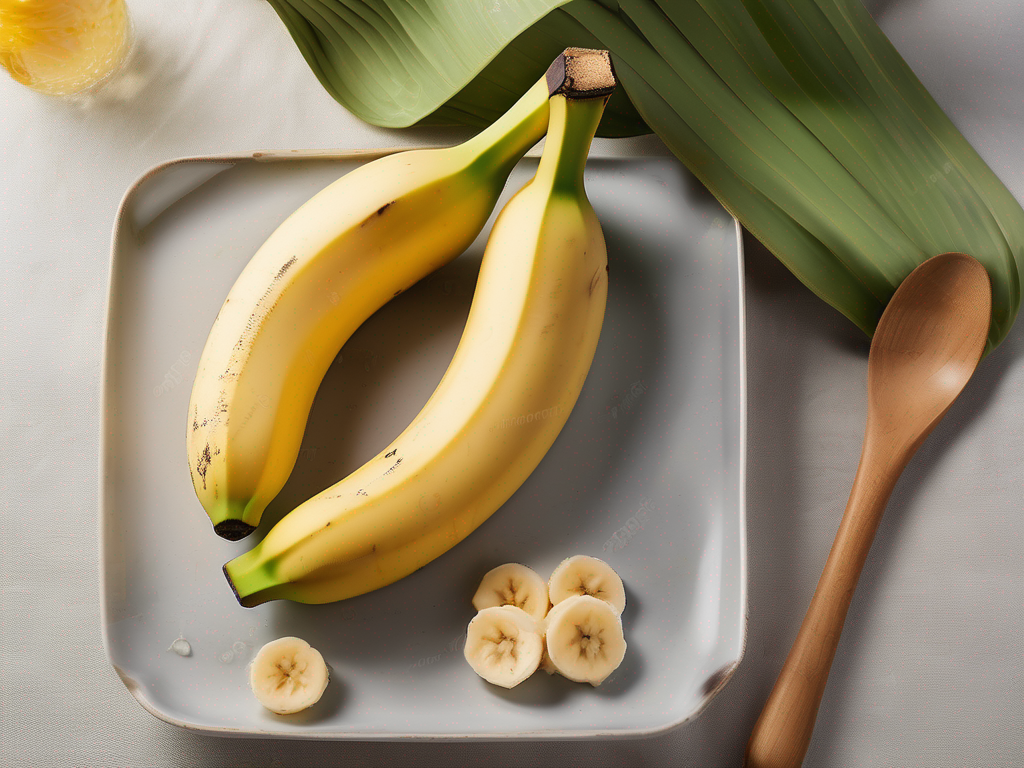
How Long Can Bananas Be Frozen: A Comprehensive Guide
CanIEatExpired.com Team
# How Long Can Bananas Be Frozen: A Comprehensive Guide

Bananas are a popular and versatile fruit enjoyed by many around the world. Whether you like them fresh, baked into bread, or blended into smoothies, bananas are a nutritious and delicious addition to your diet. But what about freezing them? Can you freeze bananas, and if so, how long can they be stored in the freezer? In this guide, we'll explore the ins and outs of freezing bananas, including tips for proper storage and safety precautions. ([Banana](https://canieatexpired.com/food/banana))

## Freezing Bananas: The Basics

Freezing bananas is a great way to preserve this fruit when you have an abundance or want to save them for later use. Here are the basic steps to freeze bananas properly:

1. **Choose ripe bananas**: Bananas that are slightly overripe with brown spots are ideal for freezing as they are sweeter and softer.
2. **Peel the bananas**: Remove the peel from the bananas before freezing. You can freeze them whole or sliced, depending on how you plan to use them later.
3. **Prep for storage**: If you're slicing the bananas, toss them in lemon juice to prevent browning.
4. **Store in an airtight container**: Place the bananas in a freezer-safe container or airtight bag. Make sure to squeeze out any excess air to prevent freezer burn.
5. **Label and date**: It's essential to label the container with the date you froze the bananas so you can keep track of their freshness.

## How Long Can Bananas Be Frozen?

Frozen bananas can last a long time if stored properly. Here are some general guidelines on how long you can freeze bananas:

### Whole Bananas
- **Freezer Shelf Life**: Whole bananas can be stored in the freezer for up to 2 months.
- **Best Quality Time**: For the best quality and flavor, consume within 1-2 months.

### Sliced Bananas
- **Freezer Shelf Life**: Sliced bananas can be stored in the freezer for up to 3 months.
- **Best Quality Time**: Consume within 2-3 months for optimal taste and texture.

### Mashed Bananas
- **Freezer Shelf Life**: Mashed bananas can be stored in the freezer for up to 6 months.
- **Best Quality Time**: Use within 4-6 months for the best results.

## Tips for Freezing Bananas

To ensure your frozen bananas stay fresh and tasty, here are some additional tips to keep in mind:

- **Use freezer-safe containers**: Opt for containers specifically designed for the freezer to maintain the quality of the bananas.
- **Avoid freezer burn**: Make sure to remove as much air as possible from the container before freezing.
- **Thaw properly**: Allow frozen bananas to thaw in the refrigerator or at room temperature for the best texture.
- **Use in recipes**: Frozen bananas are perfect for smoothies, baking, and making banana ice cream.

## common situation

Imagine it’s a summer day, and you have a few overripe bananas sitting on your counter. You’re about to throw them away when you remember that you can freeze them. You peel and slice them, tossing them in lemon juice, and pop them in the freezer. A week later, you’re making a refreshing smoothie. You pull out those frozen banana slices, blend them with some yogurt and berries, and enjoy a delicious, nutritious treat that helps reduce food waste.

In another situation, think about a busy parent trying to sneak in some nutrition for their kids. By freezing bananas, you can whip up quick snacks like banana pancakes or muffins. On a particularly hectic morning, you can take the frozen mashed bananas out, defrost them, and mix them into your pancake batter for a healthy breakfast option.

Now Common situations include student living in a small apartment. With limited space and a busy schedule, they often buy bananas in bulk, but they can’t consume them all before they spoil. By freezing them, they can create smoothie packs with pre-measured ingredients, mixing in their favorite protein powders and greens. When they’re in a rush before class, they simply grab a pack, blend it up, and head out the door with a nutritious breakfast in hand.

## Common Mistakes When Freezing Bananas

Many people don't realize that how they prepare bananas for freezing can significantly impact their quality. One common mistake is freezing bananas without peeling them first. The skin can become tough and difficult to remove once frozen. Additionally, some might forget to label their containers, leading to confusion over how long they've been in the freezer.

Another mistake is slicing bananas too thinly. While it might seem convenient, thinner pieces can freeze too hard and be harder to blend smoothly later. Aim for slices that are about half an inch thick for the best results.

Additionally, some people try to freeze bananas that are still perfectly ripe. While it's tempting to save a banana that's at its peak, waiting until they are slightly overripe will enhance the sweetness and texture once thawed.

## Expert Insights

Freezing bananas is not just about convenience; it's also a smart way to retain their nutritional benefits. Bananas are a great source of potassium, vitamin C, and dietary fiber. According to food safety experts, freezing can help preserve these nutrients, making it an excellent way for you to enjoy banana's nutritional quality long after they've been harvested.

When you freeze bananas, the cell structure of the fruit changes slightly. This means that while they may not have the same texture as fresh bananas when thawed, they still retain their taste and nutritional value, making them perfect for cooking and baking.

Moreover, recent studies indicate that when you freeze fruits like bananas, the process may actually help to increase their antioxidant levels. The antioxidants may become more bioavailable, allowing your body to absorb them better once consumed. So not only are you preventing waste, but you might also be boosting your nutrient intake.

## Storage Methods

Aside from the traditional methods of freezing whole, sliced, or mashed bananas, there are some alternative storage techniques that can enhance their longevity and usability. One method is to freeze banana puree in ice cube trays. This makes it easy to pop out just the right amount you need for your recipes, whether it's for a smoothie, baking, or even homemade baby food.

Another innovative approach is to create banana "bites." Slice bananas into rounds, dip them in dark chocolate, and freeze them. This not only preserves the bananas but also creates a sweet treat that’s perfect for snacking. Just remember to keep them in an airtight container to maintain their texture and prevent freezer burn.

If you're feeling adventurous, consider blending frozen bananas with a splash of milk or dairy-free alternatives to create a creamy, ice cream-like treat. This not only gives you a delicious dessert but also allows you to use up any leftover frozen bananas, ensuring nothing goes to waste.

## Safety Precautions

While freezing bananas is a safe and convenient way to preserve them, it's essential to follow proper food safety guidelines to prevent any issues. Here are some safety precautions to keep in mind:

- **Inspect before freezing**: Make sure the bananas are in good condition before freezing to avoid any contamination.
- **Thaw safely**: Thaw frozen bananas in the refrigerator to prevent bacterial growth.
- **Discard if in doubt**: If you notice any off smells, colors, or textures after thawing, discard the bananas to prevent foodborne illness.
- **Avoid refreezing**: Once thawed, avoid refreezing bananas as this can affect their quality and safety.

## Conclusion

In conclusion, freezing bananas is a simple and practical way to extend their shelf life and enjoy them year-round. By following the proper steps for freezing and storing bananas, you can ensure they maintain their flavor and quality for months to come. Whether you use them in smoothies, baking, or as a healthy snack, frozen bananas are a versatile ingredient to have on hand. So next time you have ripe bananas on the counter, consider freezing them for later use and enjoy the convenience of having this nutritious fruit at your fingertips.

Now that you have all the information you need on freezing bananas, why not try it out for yourself? Visit [banana](/food/banana) for delicious banana recipes and more tips on incorporating this versatile fruit into your meals. Happy freezing! ([Banana](https://canieatexpired.com/food/banana))

## Related Posts

Here are some other articles you might find helpful:

- [Can Potatoes Expire? Understanding Potato Shelf Life and Storage Tips](/blog/can-potatoes-expire)
- [Understanding UFC Banana Ketchup Expiration Date](/blog/ufc-banana-ketchup-expiration-date)
- [How Long Does Freshly Baked Bread Last?](/blog/how-long-does-freshly-baked-bread-last)
- [How Long Does Dried Fruit Last Once Opened?](/blog/how-long-does-dried-fruit-last-once-opened)
- [How Long Can You Eat Salad After the Expiration Date?](/blog/how-long-can-you-eat-salad-after-expiration-date)
Authoritative Food Safety References
These agencies and university labs inform every tip and health precaution we publish.
USDAOfficial guidance
USDA FoodKeeper – Cold Storage Guidelines
Official refrigerator, freezer, and pantry timelines maintained by the U.S. Department of Agriculture.
Visit USDA FoodKeeperFDAOfficial guidance
FDA Produce Safety Rule & Grower Guidance
Field-to-fridge handling practices that prevent contamination of fruits, vegetables, and leafy greens.
Visit FDA Produce SafetyCDCOfficial guidance
CDC Foodborne Illness Prevention Hub
Surveillance-backed guidance on pathogens, symptoms, and steps to reduce foodborne illness risk.
Visit CDC Food SafetyResearchUniversity research
UC Davis Postharvest Technology Center
University research detailing optimal storage atmospheres for produce after harvest.
Visit UC Davis PostharvestResearchUniversity research
Penn State Extension – Home Food Preservation & Safety
Peer-reviewed extension bulletins on safe canning, chilling, and reheating practices.
Visit Penn State ExtensionDisclosure: As an Amazon Associate, we earn from qualifying purchases. This helps support our site and allows us to continue providing free food safety information.
Our articles are created using a combination of AI assistance and human review. All food safety information is based on USDA guidelines and credible sources. Learn more about our review process here.