Is Your Celeriac Still Good? How to Tell If Your Celeriac Has Gone Bad
Is Your Celeriac Still Good? How to Tell If Your Celeriac Has Gone Bad
Celeriac, also known as celery root, is a versatile and nutritious vegetable that is commonly used in various culinary dishes. However, like any other fresh produce, celeriac can go bad if not stored properly or if it is past its prime. In this article, we will discuss how to tell if your celeriac has gone bad and provide you with some tips on how to properly store it to extend its shelf life. (Celeriac)
What is Celeriac?
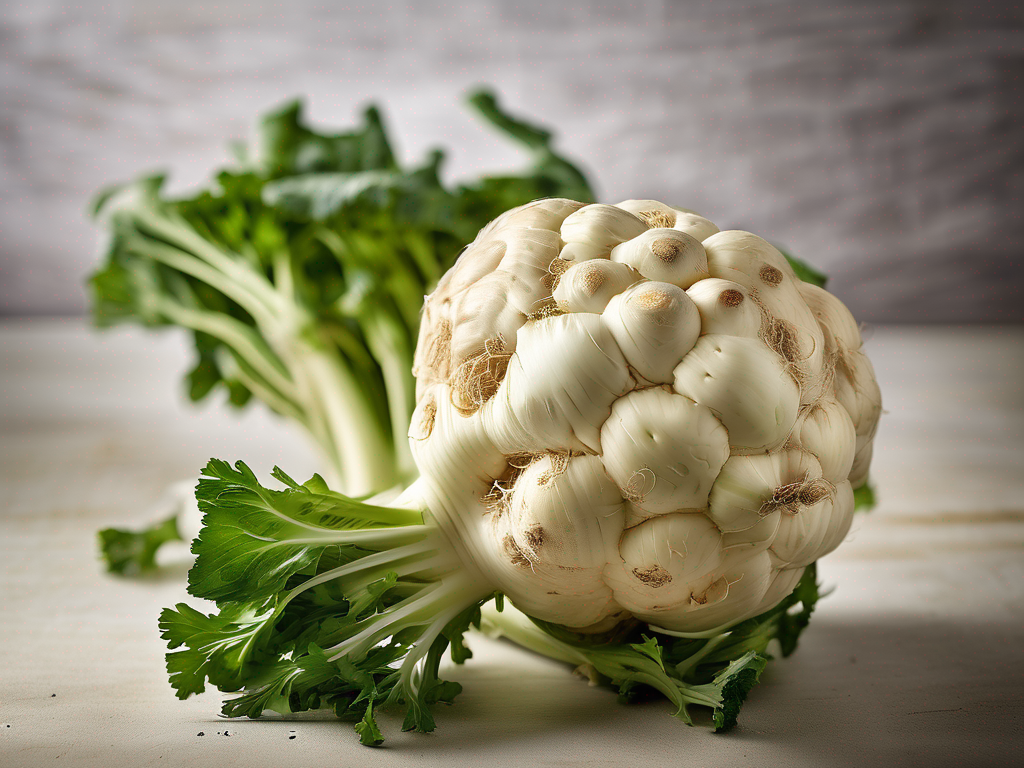
Before delving into how to tell if celeriac has gone bad, let's first understand what this vegetable is. Celeriac is a root vegetable that belongs to the same family as celery. It has a bulbous shape with a rough, knobby exterior and a creamy white interior. Celeriac has a mild, celery-like flavor with a hint of nuttiness, making it a popular ingredient in soups, stews, salads, and gratins.
Signs Your Celeriac Has Gone Bad
Visual Inspection
One of the easiest ways to determine if your celeriac has gone bad is to visually inspect it. Here are some visual cues that indicate your celeriac may be past its prime:
Dairy products require consistent cold storage to prevent spoilage and bacterial growth. A refrigerator thermometer (Amazon) helps ensure your refrigerator maintains safe temperatures (40°F or below).
- Mold or mildew growth on the surface
- Soft or mushy spots
- Discoloration, especially darkening or browning of the flesh
- Wrinkled or shriveled skin
- Foul or off-putting odor
Texture
The texture of celeriac can also give you clues about its freshness. A fresh celeriac should feel firm and dense to the touch. If the vegetable feels soft or squishy, it is likely starting to spoil.
Smell
Fresh celeriac has a mild, earthy aroma with a hint of celery fragrance. If your celeriac emits a strong, unpleasant odor or smells rotten, it is a sign that it has gone bad.
Proper Storage Tips to Extend the Shelf Life of Celeriac
To prolong the freshness of your celeriac and prevent it from spoiling prematurely, follow these storage tips:
After opening, transferring dairy into an airtight container (Amazon) can reduce odor absorption, limit moisture exposure, and help slow bacterial growth.
-
Refrigeration: Store whole, unpeeled celeriac in the crisper drawer of your refrigerator. Place it in a perforated plastic bag to maintain humidity levels and prevent wilting.
-
Temperature: Keep your celeriac at a consistent temperature of around 32-40°F (0-4°C). Avoid storing it near fruits that produce ethylene gas, as this can accelerate ripening and spoilage.
-
Avoid Moisture: Excess moisture can cause celeriac to rot quickly. Make sure to pat dry any moisture on the surface of the vegetable before storing it in the refrigerator.
-
Wrap in Paper Towels: To absorb excess moisture and prevent condensation, wrap your celeriac in paper towels before placing it in the refrigerator.
-
Check Regularly: Periodically inspect your celeriac for any signs of spoilage. Remove any damaged or spoiled parts immediately to prevent the spread of mold or bacteria.
By following these storage tips, you can extend the shelf life of your celeriac and enjoy its fresh flavor in your favorite dishes for longer.
Conclusion
In conclusion, being able to identify the signs of spoilage in celeriac is essential to ensure that you are consuming safe and fresh produce. By conducting a visual inspection, checking the texture, and smelling the vegetable, you can determine if your celeriac has gone bad. Additionally, storing celeriac properly in the refrigerator and following the recommended storage tips can help extend its shelf life and maintain its quality. Remember to always practice food safety guidelines when handling and storing fresh produce to prevent foodborne illnesses. (Celeriac)
Authoritative Food Safety References
These agencies and university labs inform every tip and health precaution we publish.
USDA FoodKeeper – Cold Storage Guidelines
Official refrigerator, freezer, and pantry timelines maintained by the U.S. Department of Agriculture.
Visit USDA FoodKeeperFDA Produce Safety Rule & Grower Guidance
Field-to-fridge handling practices that prevent contamination of fruits, vegetables, and leafy greens.
Visit FDA Produce SafetyCDC Foodborne Illness Prevention Hub
Surveillance-backed guidance on pathogens, symptoms, and steps to reduce foodborne illness risk.
Visit CDC Food SafetyUC Davis Postharvest Technology Center
University research detailing optimal storage atmospheres for produce after harvest.
Visit UC Davis PostharvestPenn State Extension – Home Food Preservation & Safety
Peer-reviewed extension bulletins on safe canning, chilling, and reheating practices.
Visit Penn State ExtensionDisclosure: As an Amazon Associate, we earn from qualifying purchases. This helps support our site and allows us to continue providing free food safety information.