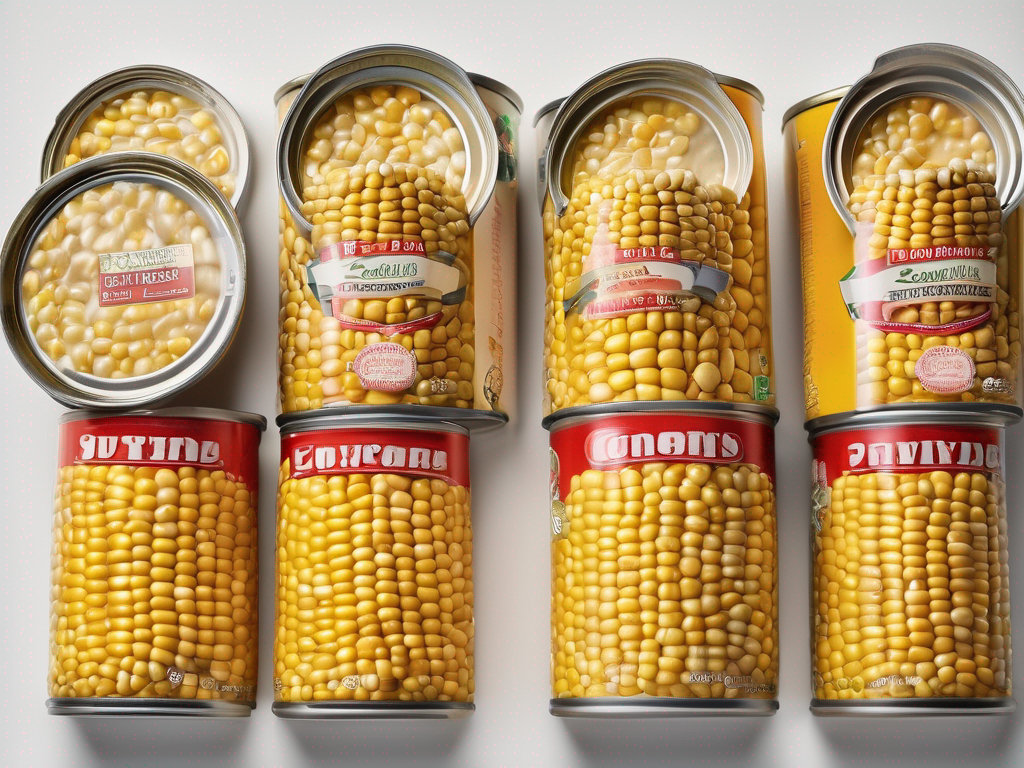
Is Your Canned Corn Safe to Eat? How to Tell If It's Gone Bad
Is Your Canned Corn Safe to Eat? How to Tell If It's Gone Bad
Canned corn is a convenient pantry staple that can be used in a variety of dishes, from salads to soups to casseroles. However, like all canned goods, canned corn can go bad if not stored properly or if it has been on the shelf for too long. In this blog post, we will discuss how to tell if your canned corn has gone bad and provide you with some tips on how to ensure the safety of your canned goods. (Canned corn)
Signs of Spoiled Canned Corn
When it comes to canned corn, there are a few key indicators that can help you determine if it has gone bad. Here are some signs to look out for:
1. Check the Expiration Date
- Always check the expiration date on the can of corn. If the date has passed, it is best to discard the can.
2. Inspect the Can for Damage
- Look for any dents, rust, or bulging on the can. Damaged cans can lead to contamination and spoilage of the corn inside.
3. Smell Test
- Open the can of corn and take a whiff. If you notice any off-putting odors, such as a sour or foul smell, the corn has likely gone bad.
4. Visual Inspection
- Examine the appearance of the corn. If you see any signs of mold, discoloration, or sliminess, it is best to throw it away.
5. Taste Test
- While it is not recommended to taste spoiled food, if you are unsure about the quality of the canned corn, you can take a small taste. If it tastes off or has a strange flavor, do not consume it.
Proper Storage of Canned Corn
To ensure the longevity and safety of your canned corn, proper storage is essential. Here are some tips on how to store your canned goods correctly:
1. Store in a Cool, Dry Place
- Keep your canned corn in a cool, dry pantry away from direct sunlight and heat sources.
2. Rotate Your Stock
- Practice the "first in, first out" method by rotating your canned goods. Use older cans before newer ones to ensure freshness.
3. Avoid Temperature Fluctuations
- Fluctuations in temperature can lead to spoilage of canned foods. Keep your pantry at a consistent temperature to maintain the quality of your canned corn.
4. Do Not Store Opened Cans
- Once a can of corn has been opened, transfer any leftovers to a clean, airtight container and refrigerate. Do not store canned goods in opened metal cans.
Conclusion
In conclusion, canned corn is a convenient and versatile ingredient to have in your pantry. By following the tips mentioned above, you can ensure that your canned corn remains safe to eat and free from spoilage. Remember to always check the expiration date, inspect the can for damage, rely on your senses to detect any signs of spoilage, and practice proper storage techniques. Stay vigilant and prioritize food safety when it comes to consuming canned goods. [canned corn](/food/canned corn) (Canned corn)
Authoritative Food Safety References
These agencies and university labs inform every tip and health precaution we publish.
USDA FoodKeeper – Cold Storage Guidelines
Official refrigerator, freezer, and pantry timelines maintained by the U.S. Department of Agriculture.
Visit USDA FoodKeeperFDA Produce Safety Rule & Grower Guidance
Field-to-fridge handling practices that prevent contamination of fruits, vegetables, and leafy greens.
Visit FDA Produce SafetyCDC Foodborne Illness Prevention Hub
Surveillance-backed guidance on pathogens, symptoms, and steps to reduce foodborne illness risk.
Visit CDC Food SafetyUC Davis Postharvest Technology Center
University research detailing optimal storage atmospheres for produce after harvest.
Visit UC Davis PostharvestPenn State Extension – Home Food Preservation & Safety
Peer-reviewed extension bulletins on safe canning, chilling, and reheating practices.
Visit Penn State Extension