Is It Safe to Eat Canned Chickpeas: A Comprehensive Guide
Is It Safe to Eat Canned Chickpeas: A Comprehensive Guide
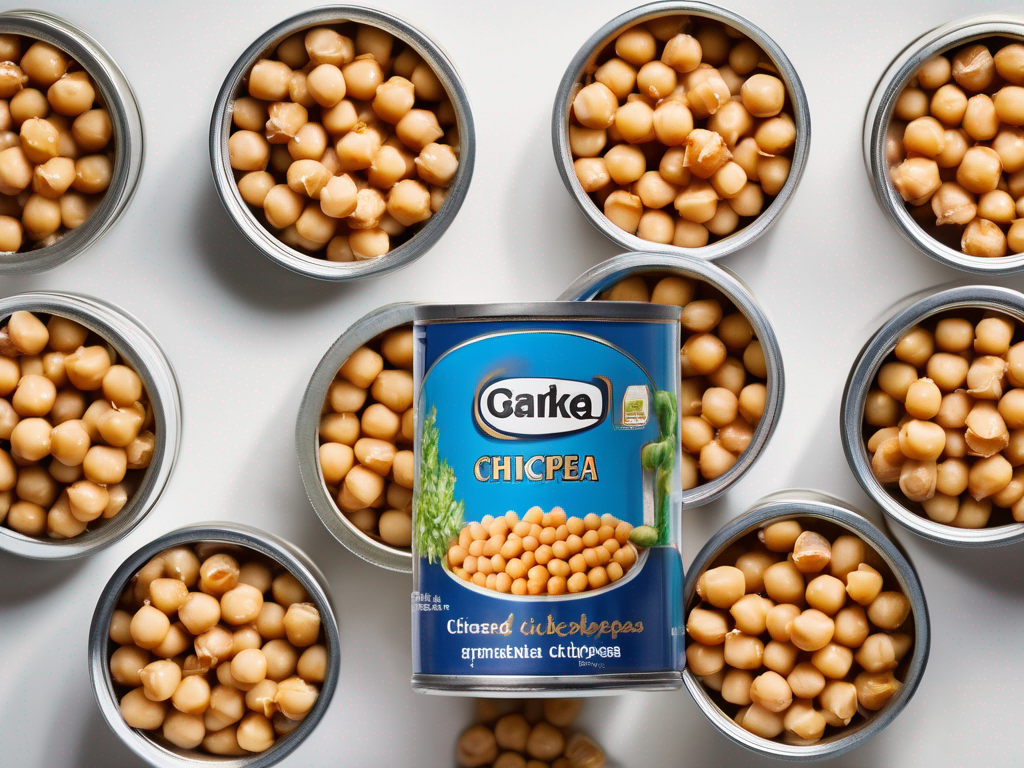
In recent years, canned chickpeas have become a staple in many kitchens due to their convenience and versatility. Whether you use them in salads, soups, or hummus, canned chickpeas can be a time-saving ingredient. However, like all canned foods, it's essential to ensure that they are safe to eat. In this guide, we will explore how to tell if canned chickpeas are still good to eat, along with some practical tips for storage and safety. (Canned chickpeas)
Understanding Expiration Dates on Canned Chickpeas
When it comes to canned foods, including chickpeas, one of the first things consumers look at is the expiration date. While these dates can provide a general guideline for freshness, they are not the only indicator of whether the food is still safe to eat. Here are some key points to consider:
Factors that Affect Canned Chickpeas' Shelf Life
- Storage Conditions: Proper storage is crucial for maintaining the quality of canned chickpeas. They should be stored in a cool, dry place away from direct sunlight and high temperatures.
- Seal Integrity: Check the can for any signs of damage, such as dents, bulging, or rust. Damaged cans can compromise the safety of the contents.
- Expiration Date: While not always a strict deadline, the expiration date can give you an idea of when the chickpeas may start to lose their quality.
- Odor and Appearance: Trust your senses. If the chickpeas have an off smell or appearance, it's best to discard them.
Decoding Expiration Dates
- "Best By" Date: This date indicates the period during which the chickpeas are expected to be at their peak quality. Consuming them after this date doesn't necessarily mean they are unsafe.
- "Use By" Date: This date is more critical and indicates the last date recommended for consumption for the best quality.
- "Sell By" Date: This date is for the retailer and not necessarily a measure of food safety.
Signs that Canned Chickpeas have Gone Bad
Even if the expiration date hasn't passed, there are certain signs to look out for that indicate the canned chickpeas may have gone bad. Here are some key indicators:
Visual Signs of Spoilage
- Mold: Any presence of mold, whether on the chickpeas or in the liquid, is a clear sign of spoilage.
- Rust or Leaks: If the can shows signs of rust or leakage, it may have compromised the contents.
- Bulging or Swelling: A bulging or swollen can is a sign of bacterial activity and should be discarded.
Sensory Cues
- Off Odor: If the chickpeas have a sour, rancid, or foul smell, it's best to err on the side of caution and dispose of them.
- Texture Changes: Any significant changes in texture, such as mushiness or sliminess, indicate spoilage.
Proper Storage and Handling of Canned Chickpeas
To ensure the safety and quality of canned chickpeas, proper storage and handling practices are essential. Here are some tips to keep in mind:
Storage Tips
- Cool, Dry Location: Store canned chickpeas in a cool, dry place away from heat sources.
- Rotate Stock: Use the "first in, first out" rule to ensure older cans are used before newer ones.
- Avoid Direct Sunlight: Sunlight can affect the quality of canned foods, so store them in a dark pantry or cupboard.
Handling Precautions
- Wash Before Use: While canned chickpeas are typically pre-cooked, it's a good practice to rinse them before use to remove excess sodium or any residue from the can.
- Use Clean Utensils: When removing chickpeas from the can, use clean utensils to prevent contamination.
- Refrigerate Leftovers: If you have leftover chickpeas, transfer them to a sealed container and refrigerate them promptly.
Conclusion
In conclusion, canned chickpeas can be a convenient and nutritious addition to your pantry, but it's crucial to pay attention to storage, expiration dates, and signs of spoilage to ensure their safety. By understanding how to interpret expiration dates, recognize signs of spoilage, and follow proper storage and handling practices, you can enjoy canned chickpeas safely. Remember, when in doubt, it's always best to err on the side of caution and dispose of any questionable canned goods. Stay informed, stay safe, and enjoy your meals!
For more information on canned chickpeas, visit our [canned chickpeas](/food/canned chickpeas) page. (Canned chickpeas)
Authoritative Food Safety References
These agencies and university labs inform every tip and health precaution we publish.
USDA FoodKeeper – Cold Storage Guidelines
Official refrigerator, freezer, and pantry timelines maintained by the U.S. Department of Agriculture.
Visit USDA FoodKeeperFDA Produce Safety Rule & Grower Guidance
Field-to-fridge handling practices that prevent contamination of fruits, vegetables, and leafy greens.
Visit FDA Produce SafetyCDC Foodborne Illness Prevention Hub
Surveillance-backed guidance on pathogens, symptoms, and steps to reduce foodborne illness risk.
Visit CDC Food SafetyUC Davis Postharvest Technology Center
University research detailing optimal storage atmospheres for produce after harvest.
Visit UC Davis PostharvestPenn State Extension – Home Food Preservation & Safety
Peer-reviewed extension bulletins on safe canning, chilling, and reheating practices.
Visit Penn State Extension