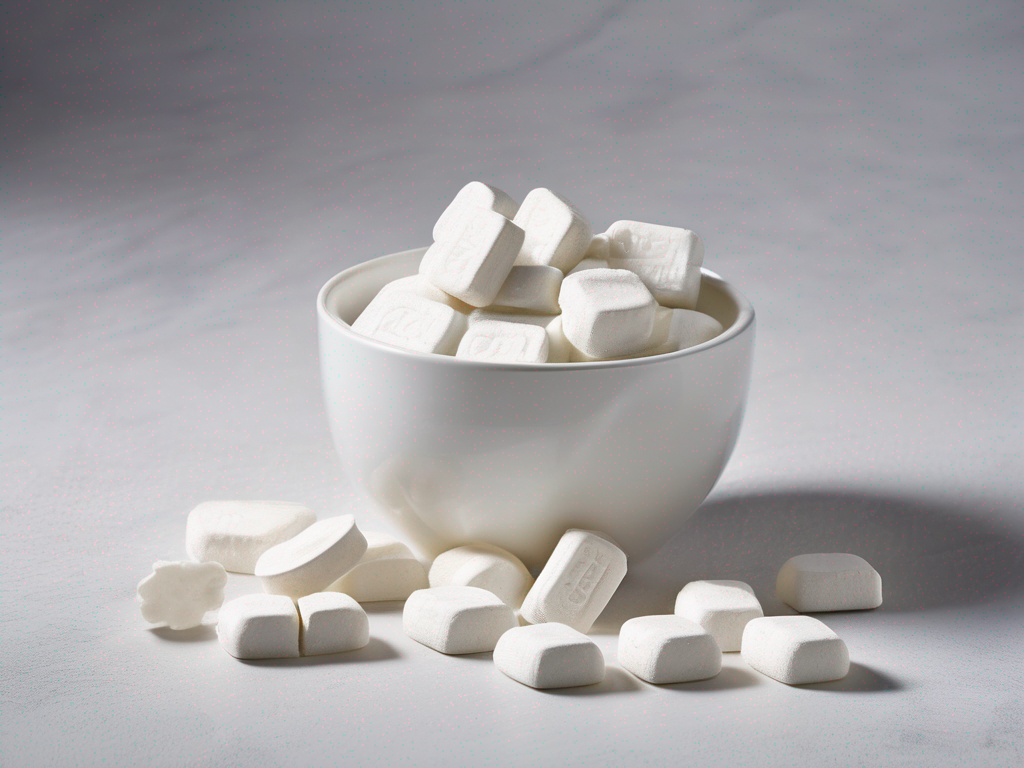
How to Tell If Calcium Carbonate Chewables Have Gone Bad
How to Tell If Calcium Carbonate Chewables Have Gone Bad
Calcium carbonate chewables are a popular dietary supplement used to provide the body with essential calcium for bone health. Like any other product, calcium carbonate chewables can degrade over time, potentially leading to reduced effectiveness or even safety concerns. In this blog post, we will explore how to tell if your calcium carbonate chewables have gone bad and what steps you can take to ensure their quality and safety. (Calcium carbonate chewables)
Understanding Calcium Carbonate Chewables
Before we delve into how to identify spoilage in calcium carbonate chewables, it's essential to understand what they are and how they work. Calcium carbonate is a common form of calcium used in supplements due to its high calcium content and bioavailability. Chewable tablets are a convenient and popular way to consume calcium carbonate, especially for those who have difficulty swallowing pills.
Calcium carbonate chewables are typically formulated with other ingredients to improve taste, texture, and absorption. However, these additional components can also impact the stability and shelf life of the product.
Signs of Spoilage in Calcium Carbonate Chewables
While calcium carbonate itself is a stable compound, the other ingredients in chewable tablets can degrade over time, affecting the overall quality of the product. Here are some signs that your calcium carbonate chewables may have gone bad:
1. Changes in Color or Appearance
- Discoloration or dark spots on the chewable tablets
- Crumbling or powdering of the tablets
- Presence of mold or unusual growth on the surface
2. Unpleasant Odor or Taste
- Foul or rancid smell emanating from the bottle
- Bitter or unusual taste when consuming the chewables
3. Expiration Date
- Check the expiration date on the packaging
- Expired products may have lost their potency or become less effective
4. Storage Conditions
- Exposure to heat, moisture, or light can accelerate the degradation of the chewables
- Improper storage can lead to spoilage even before the expiration date
5. Efficacy and Effectiveness
- Decreased effectiveness in providing the desired calcium intake
- Any changes in health outcomes or side effects after consuming the chewables
Tips for Ensuring the Quality of Calcium Carbonate Chewables
To maximize the shelf life and effectiveness of your calcium carbonate chewables, here are some practical tips to follow:
-
Check the Expiration Date: Always purchase products with a long shelf life and monitor the expiration date regularly.
-
Store Properly: Keep the chewables in a cool, dry place away from direct sunlight and moisture. Avoid storing them in the bathroom or kitchen where humidity levels can be high.
-
Seal the Container: Ensure the bottle or container is tightly sealed after each use to prevent exposure to air and moisture.
-
Avoid Extreme Temperatures: Do not expose the chewables to extreme temperatures, as this can impact their stability and potency.
-
Monitor Changes: Regularly inspect the chewables for any signs of spoilage, such as discoloration, odor, or texture changes.
Conclusion
In conclusion, it is essential to be vigilant when it comes to the quality and safety of your calcium carbonate chewables. By being aware of the signs of spoilage and following proper storage practices, you can ensure that your dietary supplements remain effective and safe for consumption. Remember to always consult with a healthcare professional if you have any concerns about the quality of your supplements. Taking these proactive measures can help you enjoy the benefits of calcium carbonate without compromising your health. (Calcium carbonate chewables)
Authoritative Food Safety References
These agencies and university labs inform every tip and health precaution we publish.
USDA FoodKeeper – Cold Storage Guidelines
Official refrigerator, freezer, and pantry timelines maintained by the U.S. Department of Agriculture.
Visit USDA FoodKeeperFDA Produce Safety Rule & Grower Guidance
Field-to-fridge handling practices that prevent contamination of fruits, vegetables, and leafy greens.
Visit FDA Produce SafetyCDC Foodborne Illness Prevention Hub
Surveillance-backed guidance on pathogens, symptoms, and steps to reduce foodborne illness risk.
Visit CDC Food SafetyUC Davis Postharvest Technology Center
University research detailing optimal storage atmospheres for produce after harvest.
Visit UC Davis PostharvestPenn State Extension – Home Food Preservation & Safety
Peer-reviewed extension bulletins on safe canning, chilling, and reheating practices.
Visit Penn State Extension