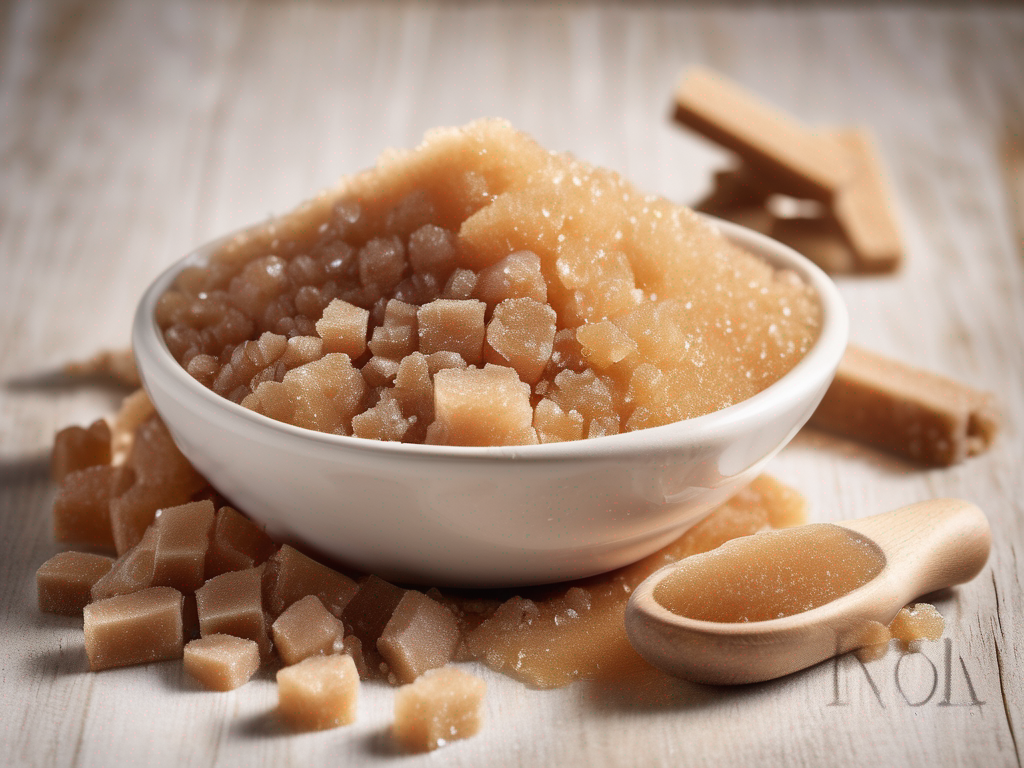
Is Your Brown Sugar Still Good? How to Tell if it's Gone Bad
Is Your Brown Sugar Still Good? How to Tell if it's Gone Bad
Brown sugar is a pantry staple for many home bakers and cooks. Its rich, caramel flavor adds depth to both sweet and savory dishes. However, like any food product, brown sugar can go bad if not stored properly or kept for too long. In this blog post, we will discuss how to tell if your brown sugar has gone bad and provide practical tips for storing it to ensure its freshness and quality. (Brown sugar)
What is Brown Sugar?
Brown sugar is a type of sugar that is typically made by mixing white sugar with molasses. This gives it a distinctive brown color and a slightly different flavor profile compared to white sugar. Brown sugar is commonly used in baking, cooking, and as a sweetener in various beverages.
[Brown sugar](/food/brown sugar) is available in two main varieties: light brown sugar and dark brown sugar. Light brown sugar has a milder flavor, while dark brown sugar has a more intense molasses taste. Both types can be used interchangeably in most recipes, depending on personal preference.
Proper airflow and humidity control can significantly extend produce freshness. Many households use produce storage containers (Amazon) in the refrigerator to regulate moisture and slow spoilage.
Signs that Brown Sugar has Gone Bad
Brown sugar, like other pantry staples, can spoil over time. Here are some signs that your brown sugar may have gone bad:
1. Hardening and Clumping
If your brown sugar has hardened into a solid mass or developed large clumps, it may have absorbed moisture from the air. This can affect its texture and make it difficult to use in recipes.
2. Off Odor
Fresh brown sugar should have a sweet, caramel-like aroma. If your brown sugar smells off or has a rancid odor, it may have gone bad and should be discarded.
Keeping produce organized can improve air circulation and cooling. refrigerator organizer bins (Amazon) help reduce overcrowding and maintain consistent refrigerator temperatures.
3. Mold Growth
If you see any signs of mold or unusual discoloration on your brown sugar, it is best to throw it away immediately. Mold can pose health risks and should not be consumed.
4. Strange Taste
Taste a small amount of your brown sugar to check if it has an off or unusual flavor. Spoiled brown sugar may taste bitter, sour, or simply different from its usual sweet taste.
Proper Storage Tips for Brown Sugar
To prolong the shelf life of your brown sugar and prevent it from going bad, follow these storage tips:
1. Keep it airtight
Store brown sugar in an airtight container to prevent moisture from seeping in and causing it to harden. You can use a resealable plastic bag, airtight container, or a specialized brown sugar keeper with a built-in seal.
2. Add a Moisture Source
To keep brown sugar soft and prevent it from hardening, you can add a moisture source to the container. This can be a piece of bread, a slice of apple, or a terra cotta brown sugar saver. Make sure to replace the moisture source regularly.
3. Store in a Cool, Dark Place
Keep your brown sugar in a cool, dark place away from heat sources and direct sunlight. Excessive heat can cause the sugar to melt or harden, while sunlight can affect its flavor and quality.
4. Use it Within a Reasonable Timeframe
Brown sugar does not last indefinitely. To ensure its best quality, try to use it within a reasonable timeframe, typically within six months to a year of opening the package.
5. Freeze Extra Brown Sugar
If you have a large quantity of brown sugar that you won't use up quickly, consider freezing it in a sealed plastic bag or airtight container. Frozen brown sugar can last for an extended period without losing its quality.
Conclusion
In conclusion, brown sugar can go bad if not stored properly or kept for too long. By following the storage tips mentioned above and being mindful of the signs of spoilage, you can ensure that your brown sugar remains fresh and ready to use in your favorite recipes. Remember to check your brown sugar regularly for any changes in texture, odor, or taste, and discard it if you suspect it has gone bad. Proper storage and handling will help you enjoy the delicious flavor of brown sugar in your culinary creations for months to come. (Brown sugar)
Authoritative Food Safety References
These agencies and university labs inform every tip and health precaution we publish.
USDA FoodKeeper – Cold Storage Guidelines
Official refrigerator, freezer, and pantry timelines maintained by the U.S. Department of Agriculture.
Visit USDA FoodKeeperFDA Produce Safety Rule & Grower Guidance
Field-to-fridge handling practices that prevent contamination of fruits, vegetables, and leafy greens.
Visit FDA Produce SafetyCDC Foodborne Illness Prevention Hub
Surveillance-backed guidance on pathogens, symptoms, and steps to reduce foodborne illness risk.
Visit CDC Food SafetyUC Davis Postharvest Technology Center
University research detailing optimal storage atmospheres for produce after harvest.
Visit UC Davis PostharvestPenn State Extension – Home Food Preservation & Safety
Peer-reviewed extension bulletins on safe canning, chilling, and reheating practices.
Visit Penn State ExtensionDisclosure: As an Amazon Associate, we earn from qualifying purchases. This helps support our site and allows us to continue providing free food safety information.