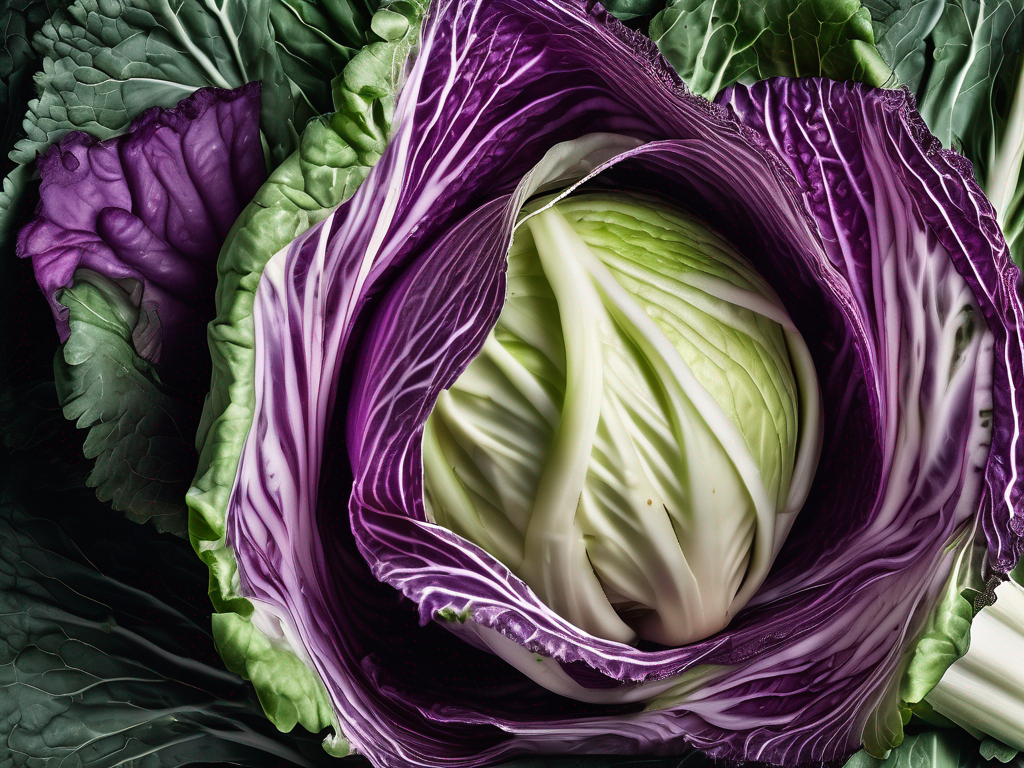
Maximizing Shelf Life: Properly Storing Common Cabbage
Maximizing Shelf Life: Properly Storing Common Cabbage
Common cabbage, also known as green cabbage, is a versatile and nutritious vegetable that can add a crunchy texture and distinct flavor to a variety of dishes. Whether you use it in salads, stir-fries, or soups, proper storage is essential to maintain its freshness and quality. In this blog post, we will explore the best practices for storing common cabbage to maximize its shelf life and ensure food safety. (Common cabbage)
Understanding Common Cabbage
Before delving into storage tips, let's briefly discuss the characteristics of common cabbage:
- Varieties: Common cabbage comes in different varieties, including green cabbage, red cabbage, and Savoy cabbage.
- Nutritional Value: Cabbage is low in calories but high in vitamins C and K, as well as fiber.
- Flavor Profile: It has a mild, slightly sweet flavor and a crunchy texture when raw.
Buying Fresh Common Cabbage
To ensure you start with the best quality cabbage, follow these tips when purchasing:
Proper cooking temperatures are essential for food safety. An instant-read food thermometer (Amazon) helps ensure meat reaches safe internal temperatures and reduces the risk of foodborne illness.
- Appearance: Choose heads that are firm, heavy for their size, and have bright, crisp leaves.
- Color: Look for vibrant green outer leaves without blemishes or signs of wilting.
- Smell: The cabbage should have a fresh, earthy aroma.
Now that you have selected a fresh cabbage, let's move on to proper storage techniques.
Storing Common Cabbage: Best Practices
Proper storage is crucial for preserving the flavor and texture of common cabbage. Follow these guidelines to maximize its shelf life:
1. Refrigeration
- Whole Head: Place the whole, unwashed cabbage in a perforated plastic bag in the crisper drawer of the refrigerator.
- Cut Cabbage: If you have leftover cut cabbage, wrap it tightly in plastic wrap or aluminum foil before refrigerating.
2. Temperature and Humidity
- Temperature: Store cabbage at a consistent temperature of 32-40°F (0-4°C) to slow down spoilage.
- Humidity: Cabbage prefers high humidity, so consider storing it in a vegetable crisper or a perforated plastic bag to maintain moisture.
3. Proper Air Circulation
- Avoid Crowding: Do not overcrowd the cabbage in the refrigerator to allow for proper air circulation, which helps prevent moisture buildup and mold growth.
- Ventilation: Periodically check the cabbage for any signs of wilting or decay and discard any damaged leaves.
4. Avoid Certain Storage Methods
- Avoid Freezing: While cabbage can be frozen for long-term storage, freezing can change its texture, making it less desirable for raw applications.
- Avoid Prolonged Exposure to Light: Excessive light exposure can cause cabbage to become bitter, so store it in a dark place.
Safety Precautions
When storing common cabbage, keep these safety tips in mind to prevent foodborne illnesses:
Refrigerator temperature fluctuations can accelerate spoilage and increase food safety risks. A refrigerator thermometer (Amazon) helps monitor consistent cold storage (40°F or below).
- Cross-Contamination: Store cabbage away from raw meat, poultry, and seafood to avoid cross-contamination.
- Cleaning: Wash your hands before handling cabbage and ensure that cutting boards and utensils are clean to prevent bacterial contamination.
- Expiration Date: Check the cabbage regularly for any signs of spoilage, such as mold, off odors, or slimy texture, and discard if necessary.
Conclusion
Properly storing common cabbage is essential for maintaining its freshness and maximizing its shelf life. By following the guidelines outlined in this blog post, you can enjoy the nutritional benefits and delicious flavor of cabbage in your meals for an extended period. Remember to store cabbage in the refrigerator, maintain optimal temperature and humidity levels, ensure proper air circulation, and practice food safety measures to prevent contamination. With these tips in mind, you can make the most of your common cabbage purchase and elevate your culinary creations. [common cabbage](/food/common cabbage) (Common cabbage)
Authoritative Food Safety References
These agencies and university labs inform every tip and health precaution we publish.
USDA FoodKeeper – Cold Storage Guidelines
Official refrigerator, freezer, and pantry timelines maintained by the U.S. Department of Agriculture.
Visit USDA FoodKeeperFDA Produce Safety Rule & Grower Guidance
Field-to-fridge handling practices that prevent contamination of fruits, vegetables, and leafy greens.
Visit FDA Produce SafetyCDC Foodborne Illness Prevention Hub
Surveillance-backed guidance on pathogens, symptoms, and steps to reduce foodborne illness risk.
Visit CDC Food SafetyUC Davis Postharvest Technology Center
University research detailing optimal storage atmospheres for produce after harvest.
Visit UC Davis PostharvestPenn State Extension – Home Food Preservation & Safety
Peer-reviewed extension bulletins on safe canning, chilling, and reheating practices.
Visit Penn State ExtensionDisclosure: As an Amazon Associate, we earn from qualifying purchases. This helps support our site and allows us to continue providing free food safety information.